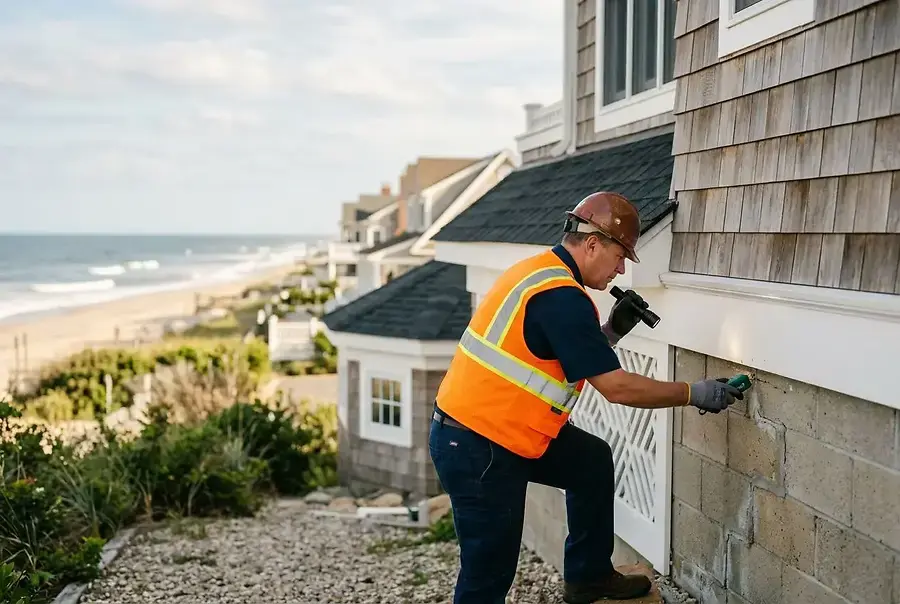
Why Home Inspections Matter in Spring Lake's Real Estate Market
Purchasing a home in Spring Lake is one of the most significant investments you'll make in your lifetime. A professional home inspection is not just a formality—it's your opportunity to uncover potential issues before they become costly problems. In Spring Lake's unique coastal environment, where properties face specific challenges from salt air, moisture, and weather conditions, a thorough inspection becomes even more critical.
Home inspections provide peace of mind and empower you with knowledge about your potential property. They can reveal hidden defects, estimate the remaining lifespan of major systems, and help you negotiate repairs or price adjustments with sellers. Without a professional inspection, you could inherit unexpected expenses that drain your finances and create stress in your new home.
Key Areas to Inspect in Spring Lake Homes: Foundation, Systems, and Coastal Considerations
Foundation and Structural Integrity
The foundation is the backbone of any home. Inspectors will examine the foundation for cracks, settling, water damage, and signs of structural movement. In Spring Lake, where soil composition and moisture levels can vary, foundation issues are particularly important to assess. Look for:
- Horizontal or vertical cracks in the foundation walls
- Water stains or evidence of past flooding
- Uneven floors or doors that don't close properly
- Bowing or leaning walls
Roofing and Weather Protection
Spring Lake's coastal location means homes experience significant weather exposure. Your inspector will evaluate the roof's age, condition, and ability to withstand the elements. They'll check for:
- Missing or damaged shingles
- Proper ventilation and insulation
- Flashing around chimneys and vents
- Signs of leaks or water damage in the attic
Plumbing and Water Systems
Water-related issues are among the most expensive to repair. Inspectors will test water pressure, check for leaks, and assess the condition of pipes throughout the home. In coastal areas, corrosion from salt air can accelerate pipe deterioration, making this inspection particularly vital.
Electrical Systems
A qualified inspector will verify that your electrical system is safe and up to code. They'll examine the panel, outlets, and wiring to ensure everything functions properly and meets current safety standards.
HVAC Systems
Heating, ventilation, and air conditioning systems require regular maintenance. Your inspector will assess the age and condition of these systems and estimate their remaining useful life. In Spring Lake's climate, efficient HVAC systems are essential for comfort and energy savings.
Coastal-Specific Considerations
Spring Lake properties face unique challenges due to their proximity to the ocean. Inspectors should specifically evaluate:
- Salt air corrosion: Damage to metal fixtures, railings, and exterior components
- Moisture intrusion: Water damage from humidity and salt spray
- Foundation erosion: Soil stability and potential shifting
- Flood risk: Elevation, drainage systems, and flood history
- Exterior materials: Durability of siding, windows, and doors in coastal conditions
Common Issues Found in Spring Lake Properties and How to Address Them
Water Damage and Moisture Problems
Water damage is the most common issue in Spring Lake homes. The combination of coastal humidity, salt spray, and occasional flooding creates an environment where moisture can accumulate. If your inspection reveals water damage, you may need to:
- Install or upgrade sump pumps and drainage systems
- Apply waterproof sealants to basement walls
- Improve grading around the foundation to direct water away
- Install dehumidification systems
Roof Deterioration
Coastal weather accelerates roof aging. If your inspection shows significant wear, consider roof replacement or repairs. Modern roofing materials designed for coastal environments can provide better protection and longevity.
Corroded Metal Components
Salt air corrodes metal quickly. Common problem areas include:
- Deck railings and hardware
- Gutters and downspouts
- Exterior light fixtures
- HVAC units
Address corrosion by replacing affected components with stainless steel or other corrosion-resistant materials.
Outdated Electrical Systems
Older homes may have outdated electrical panels or wiring that doesn't meet current codes. Upgrading to a modern electrical system improves safety and supports today's power demands.
Aging Plumbing
If your inspection reveals old galvanized pipes or polybutylene plumbing, plan for replacement. These materials are prone to failure and can lead to water damage and contamination.
HVAC System Age
Systems older than 15-20 years may need replacement. Budget for this significant expense, as modern systems are more efficient and reliable.
Making Informed Decisions Through Professional Home Inspections
A professional home inspection is your best defense against costly surprises. When you receive your inspection report, take time to understand the findings. Don't ignore minor issues—they often compound over time. Use the inspection results to:
- Negotiate repairs: Ask the seller to fix significant issues before closing
- Request credits: Receive a price reduction to cover repair costs yourself
- Plan your budget: Identify upcoming maintenance and replacement needs
- Make an informed decision: Decide whether the property is right for you at the offered price
Spring Lake's real estate market is competitive, but don't let that pressure you into skipping a thorough inspection. A qualified home inspector will provide invaluable insights into your potential property's condition. By understanding what to look for and addressing issues proactively, you'll protect your investment and enjoy your Spring Lake home for years to come.
Remember: A professional home inspection is not an expense—it's an investment in your peace of mind and financial security.