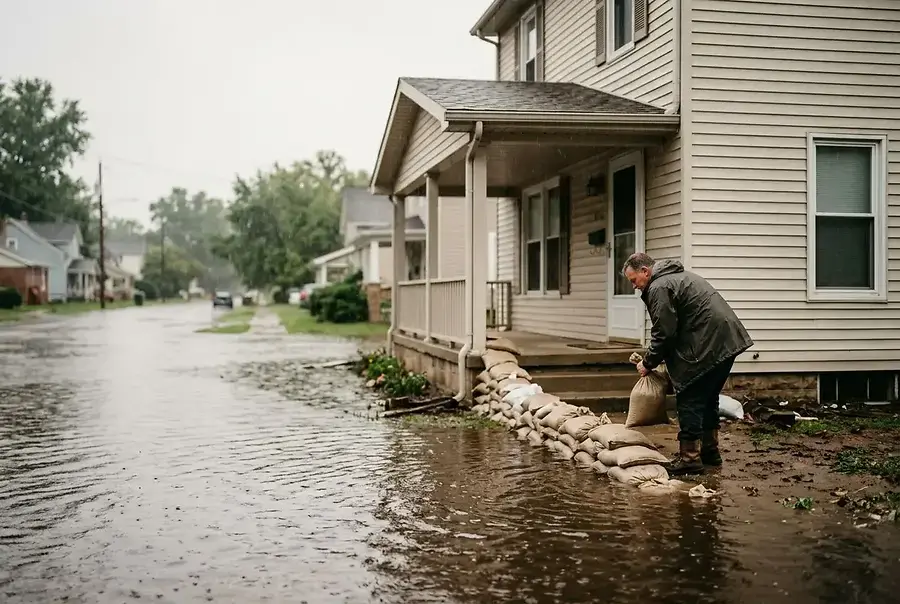
Why Flood Insurance Matters in Springdale
Springdale's unique geographical location and climate patterns make flood insurance not just a recommendation, but an essential safeguard for homeowners. Unlike standard homeowners insurance, which typically excludes flood damage, dedicated flood insurance provides critical protection against one of the most common and costly natural disasters affecting the region.
The financial impact of flooding can be devastating. A single flood event can result in tens of thousands of dollars in property damage, including structural damage, ruined belongings, and costly repairs. Without proper flood insurance, homeowners face the burden of covering these expenses entirely out of pocket. This reality makes understanding your flood risk and securing appropriate coverage a vital part of responsible homeownership in Springdale.
Beyond financial protection, flood insurance provides peace of mind. Knowing that your home and possessions are covered allows you to focus on what matters most—your family's safety and well-being during severe weather events.
Flood Risk Assessment and Your Property Location
Understanding Your Flood Zone
The first step in protecting your home is understanding your property's flood risk. Springdale is divided into different flood zones based on historical data and topographical analysis. Your flood zone determines both your insurance requirements and the premiums you'll pay.
Properties located in high-risk flood zones (designated as Special Flood Hazard Areas or SFHAs) face mandatory flood insurance requirements if they have federally-backed mortgages. Even if you own your home outright, insurance in these areas is strongly recommended. Moderate-risk and low-risk zones may not require insurance, but that doesn't mean you're completely safe from flooding.
Assessing Your Individual Property Risk
Beyond your flood zone designation, several factors influence your specific flood risk:
- Elevation: Properties at lower elevations are more susceptible to flooding from heavy rainfall and overflow from nearby water sources.
- Proximity to water: Homes near rivers, streams, or drainage areas face higher risk during heavy precipitation events.
- Local drainage patterns: Areas with poor drainage infrastructure may experience localized flooding even outside designated flood zones.
- Historical flood data: Past flooding events in your neighborhood are strong indicators of future risk.
- Climate trends: Springdale's weather patterns have shown increased intensity in recent precipitation events, affecting flood probability.
To determine your flood zone and risk level, visit the Federal Emergency Management Agency (FEMA) Flood Map Service Center online. This free resource provides detailed flood maps for your specific address.
Choosing the Right Flood Insurance Policy for Your Home
Types of Flood Insurance Coverage
When selecting flood insurance, you'll encounter two primary coverage types:
Building Coverage protects the structure of your home, including the foundation, walls, roof, built-in appliances, and permanently installed fixtures. This coverage typically has limits ranging from $250,000 to $500,000, depending on your policy and insurer.
Personal Property Coverage protects your belongings inside the home, such as furniture, electronics, clothing, and other possessions. This coverage usually has lower limits than building coverage, typically up to $100,000.
Comparing Insurance Providers and Policies
You have two main options for obtaining flood insurance in Springdale:
- National Flood Insurance Program (NFIP): This federally-backed program is available in most communities and offers standardized coverage. NFIP policies are often more affordable for high-risk properties but may have coverage limitations.
- Private Flood Insurance: Private insurers offer alternative policies that may provide higher coverage limits, lower deductibles, or better rates for lower-risk properties. These policies offer more flexibility and customization options.
When comparing policies, evaluate the following factors:
- Coverage limits for both building and personal property
- Deductible amounts (typically ranging from $1,000 to $25,000)
- Premium costs and any available discounts
- Waiting periods before coverage becomes effective
- Claims process and customer service reputation
Maximizing Your Coverage
Don't settle for minimum coverage just to save on premiums. Consider the replacement cost of your home and possessions when determining appropriate coverage limits. Underinsuring your property leaves you vulnerable to significant out-of-pocket expenses after a flood event.
Additionally, explore available discounts. Many insurers offer reduced premiums for properties with flood mitigation measures, such as elevated utilities, flood vents, or improved drainage systems. Installing these protective features not only reduces your insurance costs but also provides additional protection for your home.
Timing Your Purchase
Don't wait until flood season to purchase insurance. Most flood insurance policies include a 30-day waiting period before coverage becomes effective. Purchase your policy well in advance of severe weather season to ensure you're protected when you need it most.
Taking Action to Safeguard Your Property
Securing flood insurance is a crucial step, but it's only part of a comprehensive flood protection strategy. Combine insurance with practical mitigation measures to maximize your home's resilience:
- Maintain gutters and downspouts to direct water away from your foundation
- Install sump pumps and backup power systems in basements
- Seal cracks in your foundation and basement walls
- Consider elevating utilities and HVAC systems above potential flood levels
- Create an emergency preparedness plan for your family
Protecting your Springdale home from flood damage requires proactive planning and the right insurance coverage. By understanding your flood risk, selecting appropriate coverage, and implementing mitigation measures, you can significantly reduce your vulnerability to this serious threat. Take action today to safeguard your most valuable investment—your home.