Understanding Springfield's Residential Neighborhoods and Their Unique Characteristics
Springfield offers a diverse range of residential neighborhoods, each with its own distinct personality and appeal. Whether you're a first-time homebuyer, a growing family, or an investor seeking rental income opportunities, understanding these communities is essential to making the right choice.
Family-Friendly Suburbs
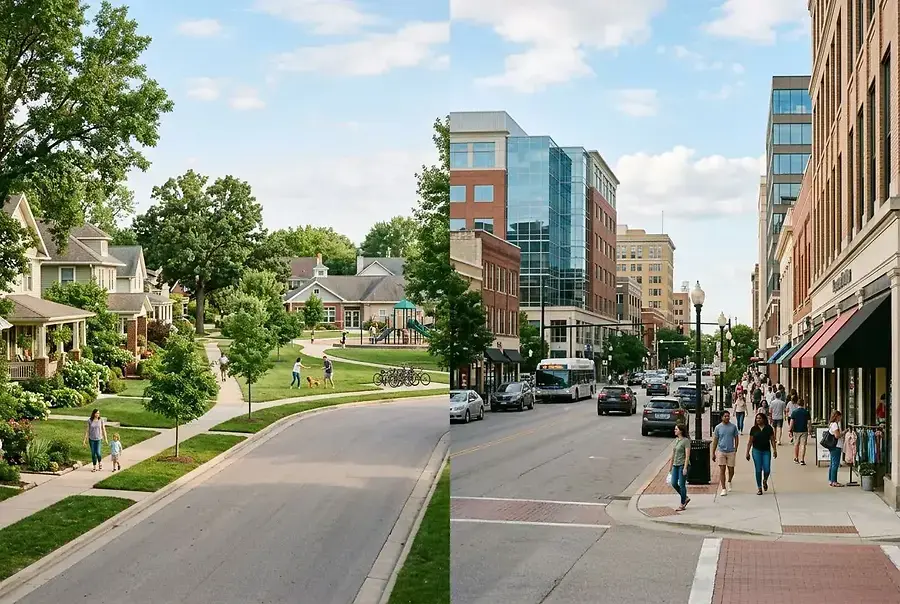
The suburban areas of Springfield are renowned for their excellent schools, spacious properties, and strong sense of community. Neighborhoods like Riverside Heights and Oakwood Park feature tree-lined streets, parks, and recreational facilities that make them ideal for families with children. These areas typically offer larger lot sizes and more affordable entry prices compared to downtown locations, making them attractive for first-time investors.
- Top-rated school districts with consistent academic performance
- Access to parks, playgrounds, and community centers
- Lower population density and quieter living environment
- Strong appreciation potential over 10-15 year periods
Urban Core Living
For those seeking walkability and vibrant nightlife, Springfield's downtown residential districts offer modern apartments, converted lofts, and contemporary townhomes. These neighborhoods provide easy access to restaurants, entertainment venues, and public transportation. The urban core attracts young professionals and empty nesters who value convenience and cultural amenities.
Emerging Neighborhoods
Up-and-coming areas on Springfield's periphery present exceptional investment opportunities for those willing to look beyond established neighborhoods. These communities are experiencing revitalization efforts, new infrastructure development, and increasing property values. Early investors in these areas often see significant returns as neighborhoods mature and attract new residents.
Commercial District Opportunities and Business Location Advantages in Springfield
Springfield's commercial districts offer diverse opportunities for business owners and commercial real estate investors. Understanding the advantages of different commercial zones is crucial for making profitable investment decisions.
Downtown Business District
The heart of Springfield's commercial activity, the downtown district features high foot traffic, established customer bases, and premium visibility. Retail spaces, office buildings, and mixed-use developments dominate this area. While commercial rents are higher, the return on investment potential is substantial for businesses targeting urban consumers.
Suburban Commercial Centers
Shopping centers and office parks located in suburban areas offer lower overhead costs and ample parking. These locations appeal to businesses serving local communities, including medical offices, dental practices, and service-oriented businesses. Suburban commercial properties often provide better profit margins due to reduced operational expenses.
- Lower lease rates compared to downtown locations
- Abundant free parking for customers and employees
- Growing residential populations supporting local businesses
- Less competition in specialized service sectors
Industrial and Logistics Zones
Springfield's industrial areas support warehousing, manufacturing, and distribution operations. These zones benefit from proximity to major transportation routes and are experiencing growth due to increased e-commerce demand. Industrial properties offer stable, long-term lease agreements with established tenants.
Comparing Lifestyle, Accessibility, and Long-Term Value Across Different Areas
Choosing between residential and commercial investments requires careful consideration of lifestyle factors, accessibility needs, and long-term financial projections.
Lifestyle Considerations
Residential neighborhoods prioritize quality of life, community engagement, and family-oriented amenities. If you value quiet evenings, neighborhood gatherings, and strong social connections, residential areas deliver these benefits. Commercial districts, conversely, offer excitement, convenience, and cultural stimulation for those who thrive in bustling environments.
Accessibility and Transportation
Downtown and urban residential areas excel in public transportation access, reducing dependence on personal vehicles. Suburban neighborhoods require more reliance on cars but offer shorter commute times to employment centers. Commercial districts benefit from strategic positioning near major highways and transit hubs, ensuring customer accessibility and employee convenience.
Location remains the most critical factor in real estate investment success. Properties in accessible areas with strong transportation connections consistently outperform isolated locations.
Long-Term Value and Appreciation
Historical data shows that Springfield's residential neighborhoods appreciate at an average rate of 3-4% annually, with premium neighborhoods reaching 5-6%. Commercial properties often experience more volatile appreciation but can deliver higher returns during economic growth periods. The key is matching your investment timeline with the property type:
- Residential: Steady, predictable appreciation; ideal for long-term wealth building
- Commercial: Higher potential returns; requires active management and market expertise
- Mixed-Use: Balanced approach combining residential and commercial benefits
Making Your Decision: Which Springfield Area is Right for Your Next Investment
Your investment decision should align with your financial goals, risk tolerance, and personal preferences. Consider these key factors when evaluating Springfield neighborhoods.
Assessing Your Investment Goals
Are you seeking steady rental income, long-term appreciation, or active business operations? Residential properties typically generate consistent monthly rental income with lower management requirements. Commercial properties demand more active involvement but offer higher profit potential. Define your primary objective before evaluating specific properties.
Evaluating Market Trends
Research recent sales data, rental rates, and development plans for neighborhoods you're considering. Areas with planned infrastructure improvements, new business openings, or population growth often experience accelerated appreciation. Conversely, neighborhoods with declining populations or aging infrastructure may present challenges.
Financial Capacity and Risk Tolerance
Commercial properties typically require larger initial investments and more sophisticated financing. Residential properties offer more accessible entry points for new investors. Consider your available capital, borrowing capacity, and comfort level with market fluctuations when making your decision.
Professional Guidance
Consulting with local real estate agents, financial advisors, and property managers provides invaluable insights into Springfield's market dynamics. These professionals understand neighborhood-specific trends and can identify opportunities aligned with your objectives.
Springfield's diverse neighborhoods and commercial districts offer something for every investor. Whether you choose residential stability or commercial growth potential, thorough research and careful planning ensure your investment decision supports your long-term financial success. Take time to explore different areas, understand their unique characteristics, and select the location that best matches your vision for the future.