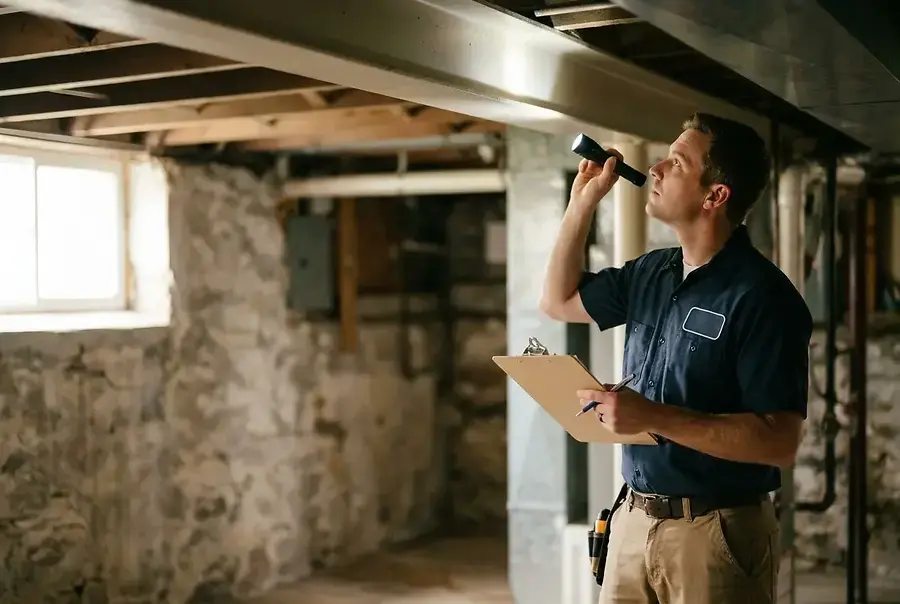
Understanding the Home Inspection Process in St. Louis
A home inspection is one of the most critical steps in the real estate transaction process. Whether you're buying or selling a property in St. Louis, understanding what happens during an inspection can help you make informed decisions and protect your financial investment.
During a typical home inspection, a certified inspector will spend two to four hours examining the property's structural components, systems, and overall condition. The inspector will evaluate:
- Foundation and structural integrity
- Roofing and exterior condition
- Plumbing and water systems
- Electrical systems and safety
- HVAC systems and heating/cooling efficiency
- Interior walls, ceilings, and flooring
- Windows, doors, and weatherproofing
- Appliances and built-in systems
In St. Louis, inspectors are required to be licensed and follow the Standards of Practice established by professional organizations. This ensures that you receive a thorough and unbiased assessment of the property's condition.
What to Expect During the Inspection
As a buyer, you have the right to be present during the inspection. This is an excellent opportunity to ask questions and learn about the property's maintenance history. The inspector will provide a detailed written report within 24 to 48 hours, documenting all findings, including photographs and recommendations for repairs or further evaluation.
Common Issues Found in St. Louis Homes and Regional Concerns
St. Louis has a unique climate and architectural landscape that creates specific challenges for homeowners. Understanding these regional concerns can help you anticipate potential issues.
Foundation and Moisture Problems
One of the most prevalent issues in St. Louis homes is foundation damage and moisture intrusion. The region's clay-heavy soil expands and contracts with seasonal changes, putting stress on foundations. Additionally, heavy rainfall and humidity can lead to basement water infiltration and mold growth.
Inspectors will look for signs of:
- Cracks in the foundation or basement walls
- Water stains and efflorescence (white mineral deposits)
- Mold or mildew growth
- Inadequate drainage systems
Roof and Weather-Related Damage
St. Louis experiences severe weather, including hail storms and high winds. Roof damage is a common finding in inspections. Inspectors will assess the age of the roof, the condition of shingles, flashing integrity, and any signs of leaks or deterioration.
Aging Infrastructure and Systems
Many St. Louis homes were built decades ago and may have outdated electrical systems, plumbing, or HVAC equipment. Inspectors will evaluate whether systems are functioning properly and whether upgrades or replacements may be needed soon.
Lead Paint and Asbestos
Homes built before 1978 may contain lead-based paint, which poses health risks, especially to children. Older homes may also contain asbestos in insulation, floor tiles, or roofing materials. While inspectors typically note the presence of these materials, specialized testing may be required.
How Inspection Results Impact Negotiations and Closing
The inspection report is a powerful tool in real estate negotiations. Once you receive the results, you have several options:
Requesting Repairs
If significant issues are discovered, buyers can request that the seller make repairs before closing. This is particularly common for major structural problems, roof damage, or system failures. The seller may agree to repairs, offer a credit toward closing costs, or refuse the request.
Renegotiating the Price
Inspection findings often lead to price negotiations. If the property requires substantial repairs, buyers can request a price reduction to account for the cost of fixing these issues. This is a common and legitimate negotiation strategy.
Walking Away from the Deal
If the inspection reveals serious problems that would be expensive to repair, buyers may have the right to withdraw from the purchase without penalty, depending on the terms of their inspection contingency clause.
Pro Tip: Always include an inspection contingency in your purchase agreement. This protects you by allowing time to review the inspection report and make decisions based on the findings.
For Sellers
Sellers benefit from conducting a pre-listing inspection. Identifying and addressing issues before putting the home on the market can prevent negotiations from falling through and demonstrate transparency to potential buyers. A well-maintained home with a clean inspection report often sells faster and at a better price.
Next Steps: Using Inspections to Make Informed Real Estate Decisions
After receiving the inspection report, take time to review it carefully and consult with your real estate agent or attorney about the findings. Consider the following:
Prioritize Issues by Severity
Not all inspection findings require immediate action. Distinguish between critical issues that affect safety or structural integrity and minor cosmetic concerns. Focus your negotiations on the most significant problems.
Get Additional Evaluations if Needed
If the inspector identifies potential problems with specific systems, such as the foundation or roof, consider hiring a specialist for a more detailed assessment. This additional information can strengthen your negotiating position.
Plan for Future Maintenance
Use the inspection report as a roadmap for future maintenance and repairs. Understanding the condition of your home's systems helps you budget for upcoming expenses and avoid costly emergency repairs.
Work with Professionals
Partner with experienced real estate agents, inspectors, and contractors who understand the St. Louis market. Their expertise can help you navigate inspection results and make decisions that protect your investment.
Home inspections are an investment in peace of mind. By understanding the inspection process, recognizing regional concerns, and using inspection results strategically, you can make confident decisions in the St. Louis real estate market and protect your financial future.