Understanding St. Louis's Climate and Its Impact on Your Home
St. Louis experiences a humid subtropical climate with distinct seasonal changes that can significantly impact your home's structural integrity and systems. The region faces hot, humid summers with temperatures often exceeding 90°F, cold winters with occasional ice storms, and spring storms that bring heavy rainfall and severe weather. These weather patterns create unique challenges for homeowners, from moisture damage and foundation issues to roof deterioration and HVAC strain.
Understanding how St. Louis's climate affects your property is the first step toward effective home maintenance. The combination of humidity, temperature fluctuations, and precipitation means that preventative maintenance isn't just recommended—it's essential for protecting your investment and avoiding expensive emergency repairs.
Spring and Summer Maintenance Essentials for Homeowners
Spring Tasks to Prioritize
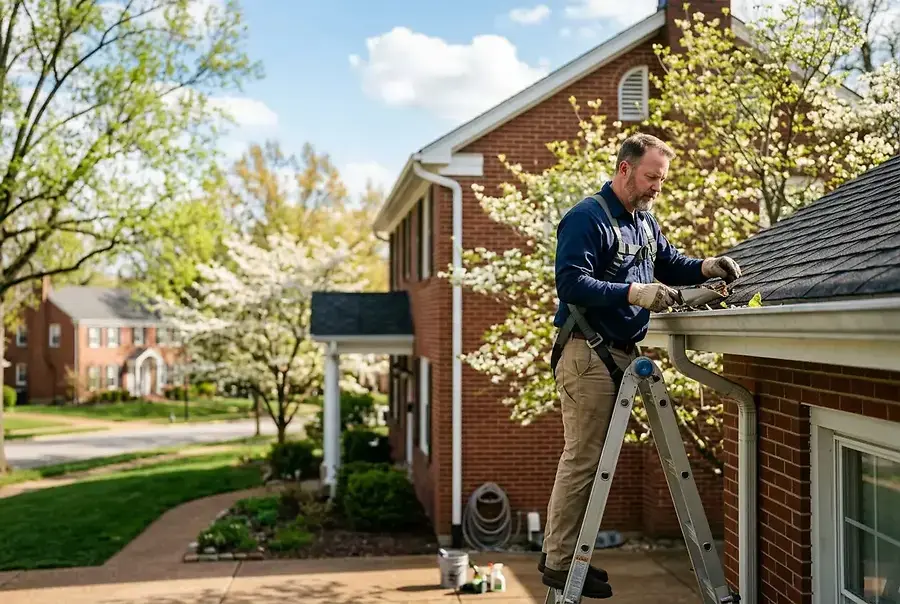
Spring is the ideal time to address issues that may have developed during winter months. Begin by inspecting your roof for missing or damaged shingles, as winter weather can take a toll on your roofing system. Check your gutters and downspouts to ensure they're clear of debris and functioning properly to direct water away from your foundation.
- Inspect and clean gutters to prevent water damage and foundation problems
- Check exterior caulking and weatherstripping around windows and doors
- Examine your foundation for new cracks or signs of settling
- Test your air conditioning system before the heat arrives
- Inspect outdoor faucets and irrigation systems for winter damage
Summer Maintenance Strategies
Summer heat and humidity require proactive maintenance to keep your home comfortable and protected. Your HVAC system will work overtime during these months, so ensure it's running efficiently by replacing air filters regularly and scheduling professional maintenance.
- Monitor your air conditioning performance and address any unusual sounds or reduced cooling
- Inspect and seal any gaps or cracks where pests might enter
- Check your attic ventilation to prevent heat buildup and moisture accumulation
- Maintain your landscaping to prevent vegetation from damaging your roof or siding
- Inspect exterior wood for signs of rot or insect damage
Fall and Winter Preparation Strategies
Fall Preparation Tasks
Fall is your critical window to prepare your home for winter's harsh conditions. This is when you should focus on weatherproofing and ensuring all systems are ready for the cold months ahead.
- Clean gutters thoroughly to prevent ice dams and water damage
- Inspect and repair roof damage before winter weather arrives
- Seal cracks and gaps in exterior walls, around pipes, and near utility lines
- Have your heating system inspected and serviced by a professional
- Drain and store outdoor faucets and irrigation systems
- Trim tree branches that hang over your roof to prevent damage from ice and snow
Winter Maintenance Priorities
Winter in St. Louis can be unpredictable, with ice storms and temperature swings that stress your home's systems. Regular monitoring and quick response to problems can prevent major damage.
- Monitor your heating system to ensure consistent performance
- Check for ice dams on your roof and address them promptly
- Inspect basement and crawl spaces for moisture or water intrusion
- Keep gutters clear of ice and debris throughout the season
- Monitor your foundation for new cracks caused by freeze-thaw cycles
Creating a Maintenance Schedule That Saves You Money
Develop a Comprehensive Maintenance Calendar
The most effective way to protect your home investment is to create a detailed maintenance schedule tailored to St. Louis's climate. A well-organized calendar helps you stay on top of seasonal tasks and prevents costly emergency repairs.
Monthly Tasks: Replace HVAC filters, inspect for signs of pests, and check for water leaks under sinks and around appliances.
Quarterly Tasks: Test your sump pump, inspect basement walls for moisture, and check caulking around windows and doors.
Annual Tasks: Professional HVAC inspection, roof inspection, foundation assessment, and pest control treatment.
Budget for Preventative Maintenance
Allocating funds for regular maintenance is far more cost-effective than dealing with emergency repairs. Industry experts recommend setting aside 1-2% of your home's value annually for maintenance and repairs. For a $300,000 home, this means budgeting $3,000-$6,000 per year for upkeep.
Preventative maintenance is an investment in your home's longevity and your peace of mind. A small investment today can save thousands in emergency repairs tomorrow.
Track and Document Everything
Keep detailed records of all maintenance and repairs performed on your home. This documentation is valuable for:
- Identifying patterns in recurring problems
- Demonstrating proper maintenance when selling your home
- Validating warranty claims
- Planning future upgrades and replacements
Know When to Call a Professional
While many maintenance tasks are DIY-friendly, some require professional expertise. Don't hesitate to hire licensed contractors for roof inspections, HVAC servicing, electrical work, and foundation assessments. The cost of professional inspection often prevents much larger expenses down the road.
By understanding St. Louis's unique climate challenges and implementing a consistent maintenance schedule, you'll protect your home investment, maintain its value, and enjoy greater peace of mind. Start today by assessing your home's current condition and creating a maintenance plan that addresses your property's specific needs.