Understanding the West Side Suburban Market: Location Advantages and Growth Trends
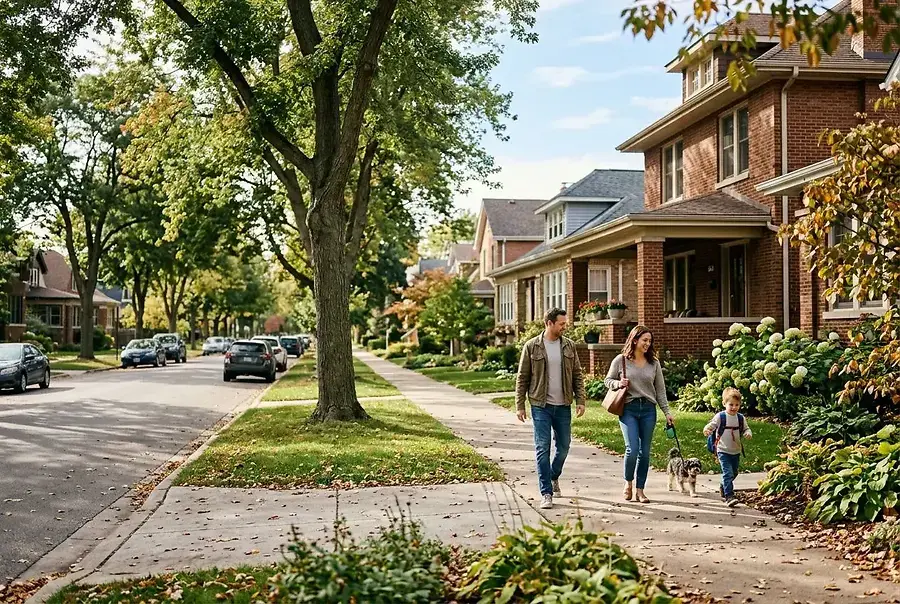
Chicago's West Side suburbs represent one of the most compelling real estate investment opportunities in the Midwest. Communities like Oak Park, Elmwood Park, and Forest Park have experienced remarkable growth and revitalization, attracting both first-time homebuyers and seasoned investors. These neighborhoods offer a unique combination of affordability, accessibility, and strong appreciation potential that distinguishes them from more saturated markets.
The West Side suburbs benefit from excellent transportation connections to downtown Chicago via the Metra and CTA systems, making them ideal for commuters. Additionally, these communities feature well-established schools, vibrant commercial districts, and diverse cultural amenities that appeal to families and young professionals alike. The proximity to major employment centers combined with lower property prices creates a favorable environment for real estate appreciation.
Market Growth Indicators
Recent market data demonstrates consistent appreciation in West Side suburban properties. Key growth drivers include:
- Population growth and demographic shifts toward suburban living
- Infrastructure improvements and public transportation enhancements
- Commercial development and business expansion in local areas
- School district improvements and educational investments
- Community revitalization initiatives and neighborhood beautification projects
Key Factors for Evaluating Residential Properties in These High-Demand Communities
Successful real estate investment begins with thorough property evaluation. Before committing capital to any West Side suburban property, investors must assess multiple critical factors that influence both immediate returns and long-term appreciation.
Property Condition and Structural Assessment
Always conduct a comprehensive home inspection before making an offer. Look for potential issues including roof condition, foundation integrity, plumbing systems, electrical wiring, and HVAC functionality. Properties requiring significant repairs may still offer value if the purchase price reflects renovation costs, but hidden structural problems can quickly erode profit margins.
Neighborhood Analysis and Comparable Sales
Research recent sales of similar properties in the area to establish fair market value. Consider these neighborhood factors:
- Crime rates and safety statistics
- School district ratings and performance metrics
- Property tax assessments and trends
- Rental market strength and tenant demand
- Local amenities and commercial development
- Future zoning changes and planned infrastructure projects
Investment Property Metrics
For rental properties, calculate the cap rate, cash-on-cash return, and price-to-rent ratio. These metrics help determine whether a property will generate adequate returns. A property with strong appreciation potential but weak rental income may still be worthwhile for long-term investors, while those seeking immediate cash flow should prioritize higher-yielding properties.
Financing and Negotiation Strategies for Chicago Suburban Home Buyers
Securing favorable financing terms significantly impacts investment profitability. West Side suburban properties often qualify for various loan programs designed to encourage investment in these communities.
Loan Options and Programs
Explore multiple financing avenues:
- Conventional mortgages: Traditional 15 or 30-year fixed-rate loans with competitive terms
- FHA loans: Government-backed options requiring lower down payments, ideal for owner-occupied properties
- Investment property loans: Specialized financing for rental properties with different qualification requirements
- Portfolio loans: Offered by some lenders for investors purchasing multiple properties
- Hard money loans: Short-term financing for fix-and-flip projects requiring quick closings
Negotiation Tactics
Strong negotiation skills can save thousands of dollars. Start by making competitive offers based on comparable sales data, but leave room for negotiation. Request seller concessions such as closing cost assistance, repairs, or extended closing timelines. In slower markets, sellers may be more flexible on price, while competitive markets may require stronger offers with fewer contingencies.
Remember: The best deals are made before you make an offer. Thorough research and preparation give you negotiating leverage.
Due Diligence and Contingencies
Protect your investment by including inspection contingencies, appraisal contingencies, and financing contingencies in your offer. These safeguards allow you to withdraw without penalty if significant issues emerge during the evaluation period.
Building Long-Term Wealth Through Residential Real Estate Investment
Real estate investment success requires a strategic, long-term perspective. West Side suburban properties offer multiple wealth-building pathways for patient investors.
Appreciation and Equity Building
As property values increase over time, your equity grows automatically. Additionally, mortgage payments build equity as you pay down principal. This dual mechanism of appreciation and amortization creates powerful wealth accumulation, especially over 10-20 year investment horizons.
Rental Income and Cash Flow
Properties in high-demand West Side communities attract quality tenants seeking affordable housing near Chicago. Consistent rental income provides monthly cash flow while property appreciation builds long-term wealth. Many successful investors use rental income to fund additional property purchases, creating a compounding wealth effect.
Tax Benefits and Deductions
Real estate investors enjoy significant tax advantages including:
- Mortgage interest deductions
- Property tax deductions
- Depreciation deductions
- Maintenance and repair expense deductions
- Property management fee deductions
Consult with a tax professional to maximize these benefits and ensure compliance with tax regulations.
Portfolio Diversification
Building a diversified real estate portfolio across multiple West Side communities reduces risk. Properties in different neighborhoods respond differently to market cycles, and geographic diversification protects against localized economic downturns. Consider acquiring properties with varying characteristics—some for appreciation, others for cash flow—to create a balanced investment portfolio.
The West Side suburbs represent an exceptional opportunity for real estate investors seeking to build long-term wealth. By understanding market dynamics, carefully evaluating properties, securing favorable financing, and maintaining a strategic long-term perspective, investors can achieve significant financial success in these vibrant Chicago communities.