Introduction: Understanding Your Lifestyle Priorities
Choosing where to live in Northern Virginia is one of the most significant decisions you'll make as a homebuyer. The region offers a diverse range of communities, each with distinct characteristics that appeal to different lifestyles and priorities. Whether you're drawn to the spacious yards and excellent schools of suburban neighborhoods or the walkable streets and vibrant culture of urban centers, understanding what matters most to you is the first step toward finding your ideal home.
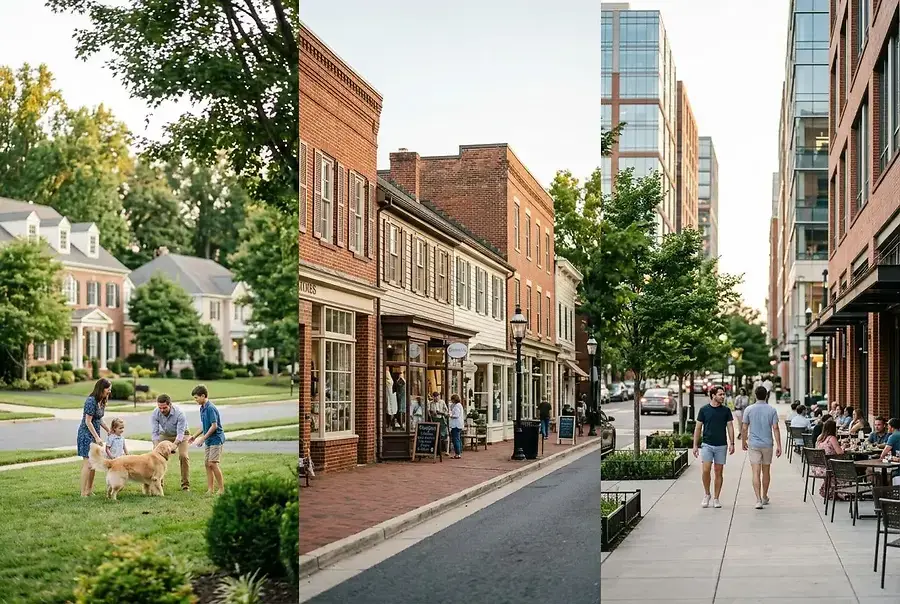
Northern Virginia presents a unique spectrum of living options. On one end, you have bustling urban communities like Arlington and Reston that pulse with energy and convenience. On the other end, charming small towns like Middleburg and Leesburg offer a slower pace with small-town charm. In the middle, suburban areas like McLean provide a balanced lifestyle. Let's explore what each community type offers.
Suburban Communities: Family-Friendly Options with Strong Schools and Space
The Appeal of Suburban Living
Suburban communities in Northern Virginia, particularly McLean and similar areas, have long been the choice for families seeking space, safety, and excellent educational opportunities. These neighborhoods typically feature larger homes on spacious lots, quiet tree-lined streets, and a strong sense of community.
Key Benefits of Suburban Living
- Outstanding Schools: Suburban areas consistently rank among the best school districts in the nation, making them ideal for families with children.
- Space and Privacy: Larger homes and properties provide room for growing families and outdoor activities.
- Safety and Community: Well-established neighborhoods often feature lower crime rates and strong community bonds.
- Affordability (Relatively): While still expensive by national standards, suburban homes often offer better value than urban counterparts.
- Parking and Convenience: Easy parking and car-centric infrastructure make daily errands straightforward.
Considerations for Suburban Living
However, suburban living isn't without trade-offs. Commute times can be lengthy, especially during rush hour. You'll likely need a car for most activities, and the pace of life may feel slower for those who thrive on urban energy. Additionally, suburban communities may lack the cultural diversity and entertainment options found in more urban areas.
Urban and Mixed-Use Communities: Walkability, Amenities, and Investment Potential
The Urban Advantage
Urban and mixed-use communities like Arlington and Reston represent a different lifestyle entirely. These areas emphasize walkability, public transportation, and a vibrant mix of residential, commercial, and entertainment spaces. Arlington, in particular, has transformed into a dynamic urban center with high-rise apartments, trendy restaurants, and cultural attractions.
Key Benefits of Urban Living
- Walkability: Most daily needs—groceries, restaurants, entertainment—are within walking distance or a short transit ride.
- Public Transportation: Metro access and bus systems reduce dependence on personal vehicles.
- Cultural Amenities: Theaters, galleries, restaurants, and nightlife create a vibrant social scene.
- Investment Potential: Urban properties often appreciate faster and attract renters, making them solid investment vehicles.
- Diverse Community: Urban areas typically offer greater cultural and demographic diversity.
- Reduced Commute: Many residents can walk or bike to work, saving time and money.
Urban Living Trade-offs
Urban living requires accepting certain compromises. Housing costs are significantly higher, with smaller living spaces commanding premium prices. Noise levels can be higher, parking is often challenging and expensive, and the fast pace isn't suitable for everyone. Additionally, urban schools may not match the reputation of suburban counterparts, though this varies by location.
The Charm of Small Towns
Communities like Middleburg and Leesburg offer a middle ground—small-town charm with growing amenities. Leesburg, in particular, has experienced a renaissance with its historic downtown, local restaurants, and cultural events. These towns appeal to those seeking community connection without the sprawl of suburbs or the intensity of urban living. Property values here often reflect their charm and growing popularity, making them increasingly attractive to homebuyers seeking authenticity and character.
Making Your Choice: A Practical Framework for Northern Virginia Homebuyers
Assess Your Priorities
To determine which community type suits you best, honestly evaluate your priorities:
- Family Status: Families with school-age children often prioritize suburban schools, while young professionals may prefer urban convenience.
- Work Location: Consider your commute. If you work in Arlington, living there or nearby saves hours weekly.
- Lifestyle Preferences: Do you crave walkable neighborhoods and cultural events, or do you prefer quiet streets and outdoor space?
- Budget: Determine your realistic price range. Urban properties command premiums, while suburban and small-town options may offer better value.
- Long-term Goals: Are you investing for appreciation, seeking a forever home, or planning to rent out the property?
The Hybrid Approach
Many Northern Virginia residents adopt a hybrid strategy. They might live in a suburban community with excellent schools while working in an urban center, using the Metro or carpooling to manage commutes. Others choose walkable suburban neighborhoods that offer both space and convenience. Reston, for example, combines suburban feel with urban amenities and strong Metro connectivity.
Visit and Experience
Numbers and descriptions only tell part of the story. Spend time in communities you're considering. Walk the neighborhoods at different times of day. Visit local restaurants, parks, and shops. Talk to residents about their experiences. This firsthand knowledge often reveals whether a community truly matches your lifestyle.
Work with Local Experts
Real estate agents familiar with Northern Virginia's diverse communities can provide invaluable insights. They understand school district nuances, commute patterns, market trends, and neighborhood character in ways that broader research cannot capture. Their expertise can help you avoid costly mistakes and find communities that genuinely fit your needs.
Final Thoughts
There is no universally "best" community in Northern Virginia—only the best community for you. Whether you choose the spacious comfort of McLean, the urban energy of Arlington, the balanced lifestyle of Reston, or the charming authenticity of Leesburg, the key is aligning your choice with your lifestyle priorities and long-term goals. Take time to explore, reflect on what matters most, and make a decision that you'll be happy with for years to come. Your ideal Northern Virginia home is waiting—you just need to find the community where it belongs.