Understanding Each Market's Character and Demographics
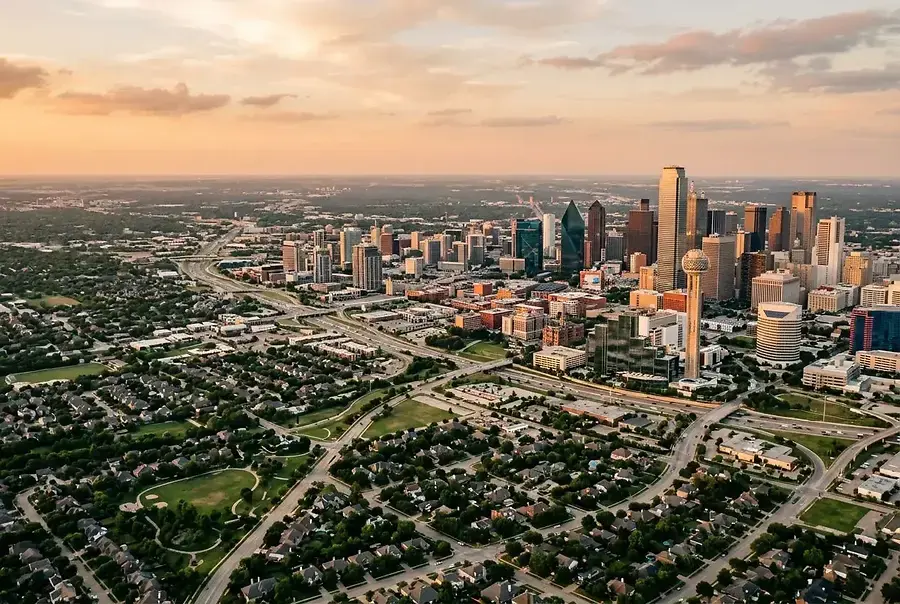
Texas real estate offers diverse opportunities across multiple thriving communities, each with its own distinct personality and appeal. The Dallas-Fort Worth metroplex and Houston area represent some of the nation's most dynamic housing markets, attracting professionals, families, and investors seeking growth and stability.
Dallas neighborhoods range from the upscale enclaves of Highland Park and University Park to the vibrant, walkable communities of Deep Ellum and Oak Cliff. Each area caters to different lifestyle preferences and investment profiles. The DFW region continues to experience steady population growth, driven by corporate relocations and the region's thriving job market across technology, healthcare, and finance sectors.
Fort Worth communities offer a unique blend of Western heritage and modern development. Areas like Sundance Square and the Cultural District attract young professionals and families seeking urban amenities with a more relaxed pace than Dallas. The city's revitalization efforts have made it increasingly attractive to investors and homebuyers alike.
Houston's neighborhoods showcase remarkable diversity, from the upscale Bellaire and River Oaks to the emerging hotspots of Midtown and EaDo (East Downtown). Houston's lack of zoning regulations has created unique opportunities for mixed-use development and neighborhood transformation. The city's energy sector presence, combined with growing tech and healthcare industries, supports strong real estate fundamentals.
Demographic Trends Shaping the Market
Texas communities are experiencing significant demographic shifts. Millennials and Gen Z buyers are increasingly drawn to walkable, urban neighborhoods with cultural amenities. Meanwhile, established families continue to seek suburban communities with excellent schools and spacious properties. Understanding these trends helps identify which communities align with your investment timeline and goals.
Key Factors That Influence Property Values in Texas Urban Centers
Several critical factors drive property appreciation and rental demand across Texas real estate markets:
Employment and Economic Growth
The presence of major employers significantly impacts property values. DFW's diverse economic base—including AT&T, American Airlines, and numerous tech companies—provides stability. Houston's energy sector, combined with growing healthcare and technology industries, creates consistent demand for residential properties. Communities near major employment centers command premium prices and maintain strong appreciation potential.
School Quality and Family Appeal
Top-rated school districts remain a primary driver of property values across Texas. Families prioritize neighborhoods with excellent schools, making these areas resilient during market fluctuations. Properties in high-performing school districts typically appreciate faster and maintain stronger resale value.
Infrastructure and Transportation
Proximity to major highways, public transportation, and future development projects influences property values significantly. Communities with planned infrastructure improvements often see accelerated appreciation. The expansion of public transit in both DFW and Houston creates opportunities in emerging neighborhoods positioned along these corridors.
Walkability and Lifestyle Amenities
Modern buyers increasingly value walkable neighborhoods with restaurants, retail, parks, and entertainment options. Urban revitalization projects in areas like Deep Ellum, Midtown Houston, and Fort Worth's Cultural District have driven substantial property appreciation. These lifestyle-focused communities attract younger buyers willing to pay premium prices for convenience and community.
Supply and Demand Dynamics
Texas communities with limited available land or restrictive zoning experience stronger appreciation. Conversely, areas with abundant development potential may offer better entry prices for investors. Understanding local supply constraints helps identify undervalued opportunities with strong appreciation potential.
Choosing the Right Community for Your Lifestyle and Investment Goals
For Young Professionals and Urban Enthusiasts
Consider neighborhoods like Deep Ellum, Midtown Houston, or Fort Worth's Cultural District. These communities offer vibrant nightlife, walkable streets, and cultural attractions. While entry prices are higher, these areas demonstrate strong rental demand and consistent appreciation. Perfect for investors seeking cash flow through short-term rentals or young professionals wanting urban living.
For Growing Families
Suburban communities with excellent schools—such as Highland Park, Bellaire, or established DFW suburbs—provide stability and long-term appreciation. These neighborhoods offer spacious homes, parks, and family-friendly amenities. While initial investment is substantial, these areas maintain value and offer excellent quality of life.
For Value-Focused Investors
Emerging neighborhoods on the periphery of established communities present compelling opportunities. Areas experiencing gentrification or infrastructure improvements often offer better entry prices with strong appreciation potential. Research neighborhoods with planned development, improving schools, or proximity to major employers.
For Passive Income Seekers
Communities with strong rental demand—including urban neighborhoods and areas near universities or major employers—provide consistent cash flow. Analyze rental rates, vacancy rates, and tenant demand when evaluating investment properties. Texas's business-friendly environment and lack of state income tax make it attractive for rental property investors.
Investment Considerations
- Market Timing: Texas real estate remains relatively affordable compared to coastal markets, offering entry opportunities for new investors.
- Diversification: Consider spreading investments across multiple communities to balance risk and opportunity.
- Local Expertise: Work with agents familiar with specific neighborhoods to identify emerging opportunities and avoid overheated markets.
- Long-term Growth: Texas's population growth and economic fundamentals support long-term appreciation across most communities.
Conclusion: Your Local Expert Guide to Texas Residential Real Estate
Texas real estate offers exceptional opportunities for homebuyers and investors across diverse communities. Whether you're seeking urban vibrancy, family-friendly suburbs, or emerging neighborhoods with appreciation potential, the DFW and Houston markets provide options for every lifestyle and investment goal.
Success in Texas real estate requires understanding each community's unique characteristics, demographic trends, and value drivers. By aligning your investment strategy with your lifestyle preferences and financial goals, you can make informed decisions that build long-term wealth and satisfaction.
The key to maximizing your Texas real estate investment is partnering with knowledgeable local experts who understand market nuances, neighborhood trends, and emerging opportunities. Whether you're buying your first home or expanding an investment portfolio, Texas's dynamic markets offer the foundation for building lasting financial success.