Introduction: Why Property Inspections and Appraisals Matter in DFW Real Estate
Buying property in the Dallas-Fort Worth area is one of the most significant financial decisions you'll make. Whether you're purchasing a residential home in Frisco, a commercial property in Dallas, or an investment property elsewhere in the DFW metroplex, understanding the critical roles of inspections and appraisals is essential to protecting your investment.
Property inspections and appraisals serve different but equally important purposes. An inspection identifies potential structural, mechanical, and safety issues with a property, while an appraisal determines the fair market value of the property. Both processes directly impact your purchasing decision and financing options. In a competitive market like DFW, knowing what to expect from these evaluations can save you thousands of dollars and prevent costly surprises down the road.
What to Expect During a Professional Home and Commercial Property Inspection
The Inspection Process
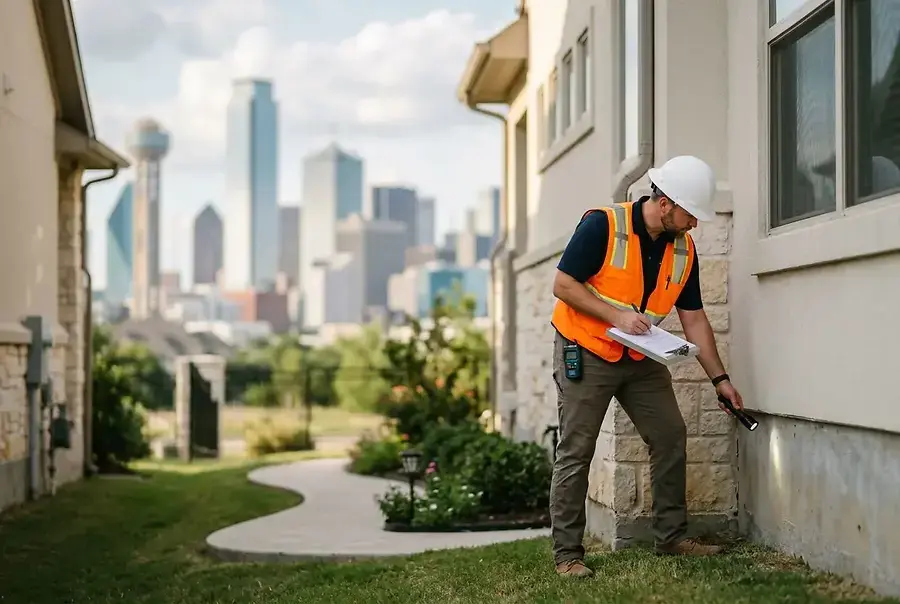
A professional property inspection typically lasts two to three hours for residential properties and longer for commercial buildings. A certified inspector will thoroughly examine both the interior and exterior of the property, documenting their findings in a detailed report.
Key Areas Inspected
During a comprehensive inspection, inspectors evaluate:
- Structural Components: Foundation, walls, roof, and framing
- Mechanical Systems: HVAC, plumbing, electrical wiring, and water heaters
- Exterior Elements: Siding, windows, doors, gutters, and drainage systems
- Interior Features: Flooring, walls, ceilings, and built-in appliances
- Safety Systems: Smoke detectors, carbon monoxide detectors, and fire safety equipment
What the Report Reveals
The inspection report categorizes findings into three levels: major issues that require immediate attention, minor issues that should be addressed eventually, and recommendations for maintenance and improvements. In the DFW area, common issues include foundation settling due to clay soil conditions, HVAC system wear from extreme heat, and roof damage from severe weather.
Using Inspection Results to Negotiate
Armed with the inspection report, you have leverage to negotiate repairs, credits, or price reductions with the seller. Many DFW buyers use inspection findings to request that sellers address major issues before closing or provide credits to cover repair costs. This negotiation phase is crucial for protecting your investment.
Commercial Property Inspections
Commercial property inspections are more extensive than residential inspections. They include evaluations of building systems, accessibility compliance, environmental concerns, and code violations. For commercial properties in Dallas and surrounding areas, inspectors also assess parking facilities, common areas, and tenant spaces.
Understanding Your Appraisal: How DFW Properties Are Valued and Why It Affects Your Purchase
What Is a Property Appraisal?
An appraisal is an unbiased, professional assessment of a property's fair market value. Lenders require appraisals to ensure the property serves as adequate collateral for the mortgage loan. The appraisal protects both you and the lender by confirming that the property's value justifies the loan amount.
How Appraisers Determine Value
DFW appraisers use three primary approaches to determine property value:
- Comparable Sales Approach: Analyzing recent sales of similar properties in the same neighborhood or area
- Cost Approach: Calculating the cost to rebuild the property plus the land value
- Income Approach: For investment properties, evaluating potential rental income and expenses
Factors Affecting DFW Property Values
Several factors influence how appraisers value properties in the Dallas-Fort Worth region:
- Location and neighborhood desirability
- Property condition and age
- Square footage and lot size
- School district quality
- Proximity to employment centers and amenities
- Recent comparable sales in the area
- Market trends and economic conditions
When Appraisals Fall Short
Sometimes an appraisal comes in lower than the agreed-upon purchase price. This situation, called an appraisal gap, can create challenges. If you're financing the purchase, the lender will only approve a loan based on the appraised value, not the higher purchase price. In this scenario, you'll need to either negotiate a lower price with the seller, increase your down payment, or walk away from the deal.
Appraisal Tips for DFW Buyers
To help ensure a favorable appraisal, provide the appraiser with documentation of recent upgrades, renovations, or improvements you've made. For commercial properties, prepare detailed financial statements and lease agreements. Understanding the local market and recent comparable sales in your specific DFW neighborhood can also help you set realistic expectations for the appraised value.
Conclusion: Making Informed Decisions as a DFW Real Estate Buyer
Property inspections and appraisals are non-negotiable components of the real estate buying process in Dallas, Frisco, and throughout the DFW area. These evaluations protect your financial interests by identifying potential problems and confirming fair market value.
Key takeaways for DFW buyers:
- Always hire a certified, experienced inspector to thoroughly evaluate the property
- Review the inspection report carefully and use findings to negotiate with the seller
- Understand that appraisals protect both you and your lender
- Be prepared for the possibility of an appraisal gap and have contingency plans
- Ask questions and seek professional guidance from your real estate agent and lender
By taking these steps and understanding the inspection and appraisal processes, you'll be well-equipped to make informed decisions and protect your investment in DFW real estate. Whether you're a first-time homebuyer or an experienced investor, these essential safeguards ensure you're making a sound financial decision in one of the nation's most dynamic real estate markets.