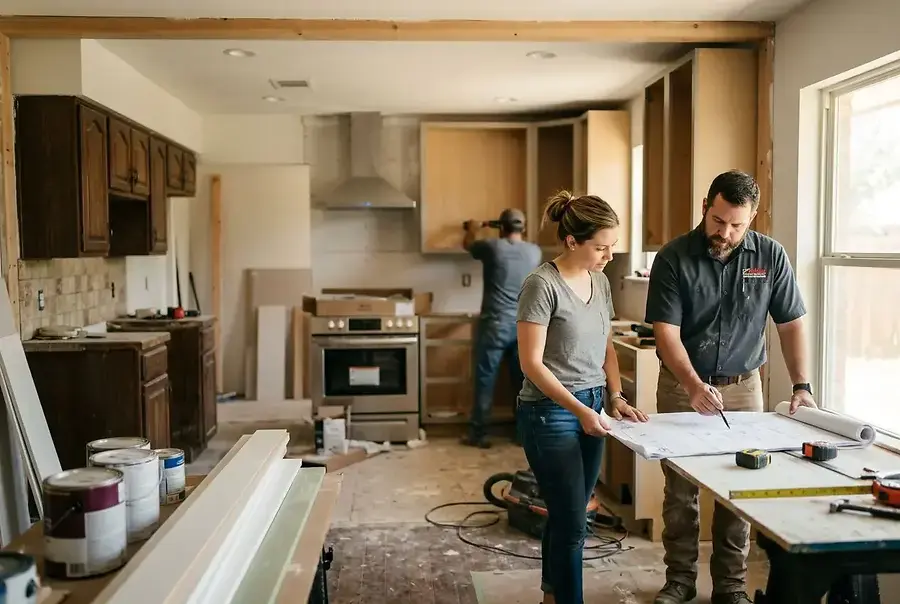
Understanding Fixer-Upper Fundamentals and Market Opportunities in Irving
The Irving and Dallas-Fort Worth real estate market presents exceptional opportunities for savvy investors looking to purchase fixer-upper properties. A fixer-upper is a property that requires significant repairs or renovations but offers tremendous potential for value appreciation. The DFW market has experienced steady growth, making it an ideal location for real estate investors seeking solid returns.
What Makes a Property a Good Fixer-Upper Investment
Not every distressed property is worth your investment. The best fixer-uppers share common characteristics that make them profitable ventures. Look for properties with solid structural foundations, good locations in appreciating neighborhoods, and renovation needs that are primarily cosmetic or modernization-focused rather than foundational.
- Properties in up-and-coming neighborhoods with strong growth potential
- Homes with outdated kitchens and bathrooms that appeal to modern buyers
- Properties with good bones but poor curb appeal
- Homes priced significantly below market value due to condition
Market Dynamics in Irving and DFW
The Irving market offers unique advantages for fixer-upper investors. The area's proximity to major employment centers, excellent schools, and growing commercial development make it attractive to homebuyers. Properties that are renovated strategically can command premium prices in this competitive market. Understanding local market trends, neighborhood appreciation rates, and buyer preferences is essential before making your investment decision.
Conducting Thorough Inspections and Budgeting Renovation Costs
The Importance of Professional Home Inspections
Never skip a professional home inspection when evaluating a fixer-upper. A comprehensive inspection reveals hidden problems that could derail your investment. Hire a licensed inspector to evaluate the property's structural integrity, electrical systems, plumbing, HVAC, roofing, and foundation. This investment in inspection costs typically ranges from $300-$500 but can save you thousands in unexpected repairs.
Beyond the standard inspection, consider specialized inspections for:
- Mold and moisture issues
- Asbestos and lead paint (especially in older homes)
- Termite and pest damage
- Roof condition and remaining lifespan
- Electrical system capacity and safety
Creating an Accurate Renovation Budget
Budgeting is where many fixer-upper investors stumble. Underestimating costs is one of the most common mistakes that erodes profit margins. Create a detailed line-item budget for every renovation project, and add a contingency fund of 15-20% for unexpected issues that inevitably arise during renovation.
Budget Categories to Consider
- Structural repairs: Foundation, framing, and load-bearing walls
- Systems upgrades: Electrical, plumbing, HVAC, and water heater
- Kitchen and bathroom renovations: Cabinets, countertops, fixtures, and flooring
- Cosmetic improvements: Paint, flooring, landscaping, and fixtures
- Permits and inspections: Building permits and final inspections
- Labor costs: Contractor fees and specialized trades
Research local contractor rates and obtain multiple quotes for major work. Don't automatically choose the lowest bid—quality workmanship is worth the investment.
Strategic Renovations That Increase Property Value and Appeal
Prioritizing High-ROI Renovations
Not all renovations deliver equal returns. Focus on improvements that buyers in the Irving market actively seek. Kitchen and bathroom renovations consistently deliver the highest return on investment, typically returning 50-80% of your renovation costs in increased property value.
Kitchen Renovations
The kitchen is often the heart of a home and a major decision factor for buyers. Update outdated cabinets, install modern countertops, upgrade appliances, and improve lighting. You don't need luxury finishes—quality, functional, and aesthetically pleasing upgrades appeal to the broadest buyer base. Consider open-concept layouts if the existing structure allows, as this appeals to modern homebuyers.
Bathroom Upgrades
Modern bathrooms with updated fixtures, tile work, and lighting significantly increase property appeal. Focus on cleanliness, functionality, and contemporary design. Even modest bathroom upgrades can dramatically improve a property's marketability.
Curb Appeal and Exterior Work
First impressions matter tremendously. Invest in landscaping, fresh exterior paint, new roofing if needed, and updated entry doors. These improvements are often the most cost-effective way to increase perceived value and attract qualified buyers.
Systems and Infrastructure
While less glamorous than kitchen renovations, updating electrical systems, plumbing, HVAC, and insulation is essential. These improvements ensure the property is safe, efficient, and attractive to buyers who understand the value of modern systems.
A home with updated systems commands higher prices and attracts serious buyers willing to pay premium prices.
Closing the Deal and Managing Your Renovation Timeline
Making Your Purchase Offer
When making an offer on a fixer-upper, account for all renovation costs in your analysis. Use the 70% rule as a guideline: offer no more than 70% of the after-repair value minus your desired profit margin. This ensures adequate margin for unexpected costs and profit.
Include inspection contingencies in your offer, allowing time to verify the property's condition and adjust your offer accordingly. Work with a real estate agent experienced in investment properties who understands the local market and can negotiate effectively.
Securing Financing for Fixer-Uppers
Traditional mortgages may not be available for properties in poor condition. Explore alternative financing options:
- FHA 203(k) loans designed specifically for renovation properties
- Hard money lenders offering short-term financing
- Home equity lines of credit if you have existing equity
- Cash purchases for quick closings and negotiating leverage
Managing Your Renovation Timeline
Develop a realistic project timeline with clear milestones and deadlines. Coordinate with contractors, obtain necessary permits, and schedule inspections appropriately. Delays increase carrying costs and reduce profitability. Regular communication with your contractor and weekly progress checks keep projects on track.
Final Preparations for Sale
Once renovations are complete, prepare the property for sale. Professional staging, high-quality photography, and strategic marketing highlight your improvements. Price competitively based on comparable sales in the Irving market. Work with your real estate agent to attract qualified buyers and negotiate the best possible sale price.
Investing in fixer-upper properties in Irving and the DFW area can be highly profitable when approached strategically. By understanding the market, conducting thorough due diligence, budgeting carefully, and executing quality renovations, you can build substantial wealth through real estate investment. Success requires patience, attention to detail, and a commitment to quality—but the rewards make it worthwhile.