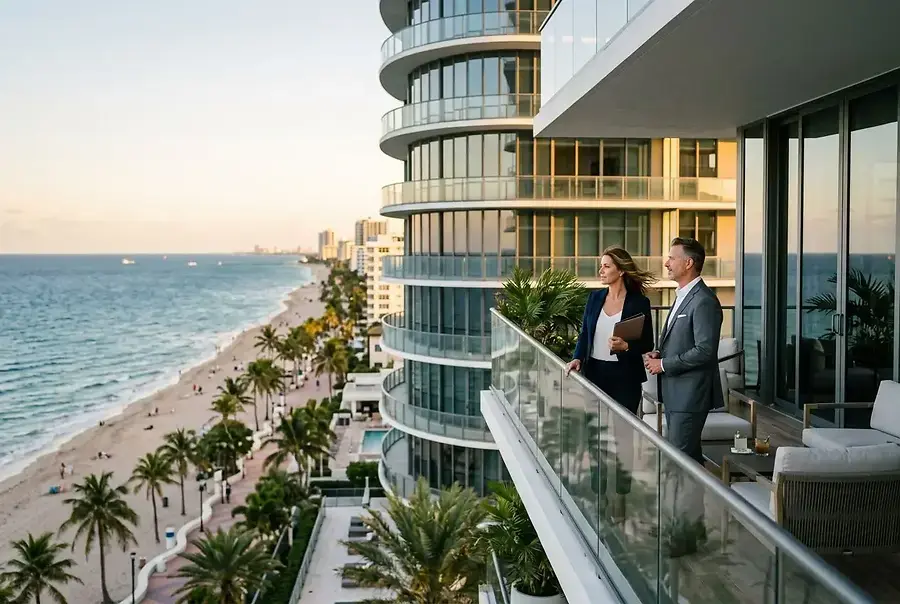
Understanding the Fort Lauderdale Condo Market Landscape
Fort Lauderdale has emerged as one of Florida's most dynamic real estate markets, attracting investors from around the globe seeking both capital appreciation and steady rental income. The city's strategic location along the Atlantic coast, combined with its thriving tourism industry and growing population, creates a compelling investment opportunity for those looking to diversify their portfolios.
The condo market in Fort Lauderdale has experienced significant growth over the past several years. With a diverse range of properties—from beachfront luxury units to more affordable inland options—there's something for every investor profile. The market benefits from strong demand driven by both vacation rentals and long-term leases, making it an attractive destination for residential investors.
Market Dynamics and Growth Factors
Several factors contribute to Fort Lauderdale's appeal as an investment destination. The city's robust tourism infrastructure, world-class beaches, and vibrant cultural scene draw visitors and residents alike. Additionally, the absence of state income tax in Florida provides a significant financial advantage for investors and property owners, enhancing overall returns on investment.
The influx of remote workers and retirees has further strengthened demand for residential properties, particularly condominiums that offer low-maintenance living with premium amenities. This demographic shift has created a stable rental market with consistent occupancy rates and competitive rental prices.
Key Investment Metrics: ROI, Appreciation, and Rental Income
Before committing capital to a condo investment, it's essential to understand the key metrics that determine profitability and long-term success.
Return on Investment (ROI)
ROI measures the profitability of your investment relative to the amount invested. In Fort Lauderdale, savvy investors typically target properties with potential annual returns between 5-8%, though this varies based on location, property condition, and market conditions. Calculate ROI by dividing your annual net profit (rental income minus expenses) by your total investment, including down payment and closing costs.
Property Appreciation
Fort Lauderdale's real estate market has demonstrated consistent appreciation over time. Waterfront and beachfront properties command premium prices and typically appreciate faster than inland units. However, even non-waterfront condos in desirable neighborhoods have shown steady value growth, making them reliable long-term investments.
Key appreciation drivers include:
- Proximity to beaches and waterfront areas
- Neighborhood revitalization and development projects
- School district quality and family-friendly amenities
- Commercial and retail expansion in surrounding areas
- Infrastructure improvements and transportation access
Rental Income Potential
Fort Lauderdale's dual market—vacation rentals and long-term leases—provides flexibility for investors. Vacation rentals typically generate higher monthly income but require more active management, while long-term rentals offer stability and lower vacancy rates. Many investors find a balanced approach, renting seasonally to tourists and securing long-term tenants during off-peak months.
Average rental rates vary significantly based on location and amenities, but beachfront units can command $3,000-$6,000+ monthly during peak season, while inland properties typically range from $1,500-$3,000 depending on quality and location.
Selecting the Right Condo: Location, Amenities, and Developer Reputation
Location Considerations
The adage "location, location, location" holds true in Fort Lauderdale's condo market. Beachfront properties command premium prices and attract higher-paying tenants, but they also come with higher purchase prices and HOA fees. Consider your investment goals carefully:
- Beachfront: Premium pricing, strong appreciation, high rental demand
- Near-Beach: More affordable, still attractive to renters, good appreciation potential
- Downtown/Inland: Lower entry costs, emerging neighborhoods, growing rental markets
Research neighborhood trends, planned developments, and local amenities. Properties near shopping districts, restaurants, and entertainment venues tend to appreciate faster and attract quality tenants.
Amenities and Building Features
Modern amenities significantly impact both property value and rental appeal. Desirable features include:
- Fitness centers and wellness facilities
- Swimming pools and hot tubs
- Concierge and 24-hour security
- Parking facilities (covered or valet)
- Business centers and co-working spaces
- Pet-friendly policies
- Waterfront access or scenic views
Properties with comprehensive amenities command higher rents and attract more qualified tenants, directly impacting your bottom line.
Developer Reputation and Building Quality
The developer's track record matters significantly. Research completed projects, read reviews from current residents, and verify that the developer has a history of delivering quality properties on time and within budget. A reputable developer ensures better construction quality, stronger property management, and higher long-term value appreciation.
Additionally, review the building's financial health by examining reserve funds, maintenance records, and any pending special assessments. A well-maintained building with adequate reserves protects your investment and minimizes unexpected expenses.
Making Your Move: Financing, Due Diligence, and Next Steps
Financing Your Investment
Most condo investors require financing to maximize their purchasing power. Investment property loans typically require larger down payments (20-25%) compared to primary residence mortgages. Shop around with multiple lenders to secure competitive interest rates and favorable terms.
Consider these financing options:
- Conventional investment property loans
- Portfolio loans from private lenders
- Home equity lines of credit (HELOC)
- Cash purchases for maximum flexibility
Work with a mortgage broker experienced in investment properties to navigate the lending landscape and secure optimal financing terms.
Conducting Thorough Due Diligence
Never skip the due diligence phase. Hire a qualified home inspector to evaluate the property's condition and identify potential issues. Request the condo's financial statements, reserve study, and meeting minutes to understand the building's financial health and any pending assessments.
Review the lease terms, rental restrictions, and HOA rules carefully. Some buildings limit the number of rental units or impose restrictions on short-term rentals, which could impact your investment strategy. Verify that your intended use aligns with building regulations.
Taking the Next Steps
Once you've identified a promising property and completed due diligence, work with a real estate attorney to review contracts and ensure all legal protections are in place. Secure title insurance and verify that the property has clear title with no liens or encumbrances.
Your investment timeline typically includes:
- Property inspection and appraisal (7-10 days)
- Loan approval and underwriting (10-14 days)
- Final walkthrough and closing preparation (3-5 days)
- Closing and fund transfer (1-2 days)
After closing, establish a property management plan. Decide whether you'll self-manage or hire a professional property manager. Professional management typically costs 8-12% of monthly rental income but handles tenant relations, maintenance, and compliance, freeing you to focus on growing your investment portfolio.
Conclusion
Fort Lauderdale's condo market offers compelling opportunities for residential investors seeking strong returns and lifestyle benefits. By understanding market dynamics, analyzing key investment metrics, selecting properties strategically, and conducting thorough due diligence, you can build a profitable real estate portfolio. Start your investment journey today and discover why Fort Lauderdale remains one of Florida's premier investment destinations.