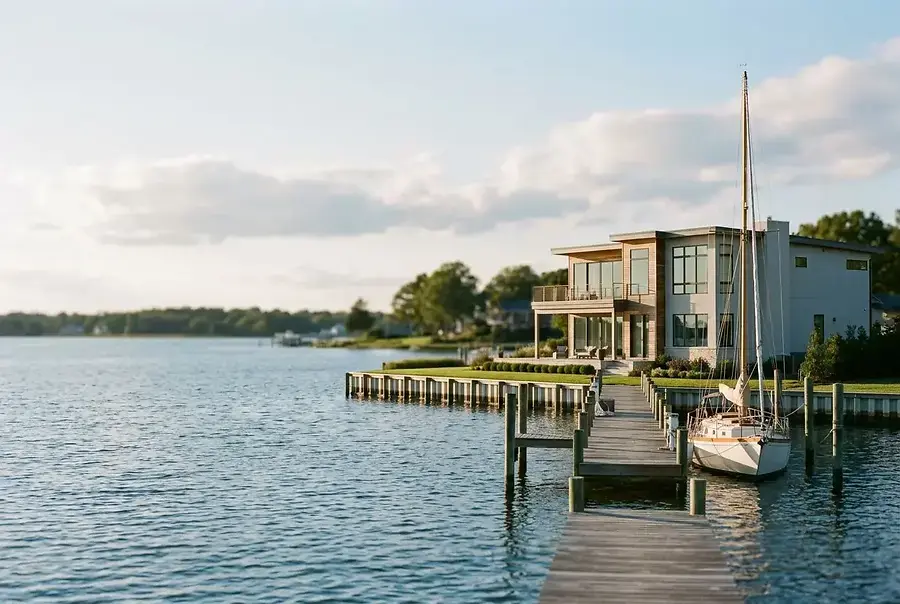
Understanding Waterfront Property Values and Market Trends in Chesapeake
Waterfront properties in Chesapeake represent some of the most desirable real estate investments in the region. The market for these homes has remained robust, driven by their unique appeal and limited availability. Understanding current market trends is essential before making your purchase decision.
Market Dynamics and Property Appreciation
Waterfront homes in Chesapeake typically appreciate faster than inland properties due to their scarcity and high demand. The proximity to water, combined with stunning views and recreational opportunities, makes these properties particularly attractive to buyers. Recent market data shows that waterfront properties command premium prices, often 30-50% higher than comparable inland homes in the same area.
Several factors influence waterfront property values in Chesapeake:
- Location and Water Access: Properties with direct water access or premium views command higher prices
- Neighborhood Amenities: Proximity to marinas, restaurants, and recreational facilities increases value
- Property Condition: Well-maintained homes with modern updates retain value better
- Environmental Factors: Flood zones and erosion risks can significantly impact pricing
Seasonal Variations and Timing Your Purchase
The waterfront real estate market in Chesapeake experiences seasonal fluctuations. Spring and early summer typically see increased buyer activity, which can drive prices up. Conversely, fall and winter months often present better negotiating opportunities with less competition. Strategic timing can help you secure better deals and more favorable terms.
Key Considerations: Inspections, Permits, and Environmental Factors for Waterfront Homes
Purchasing a waterfront property requires additional due diligence beyond standard home inspections. Environmental factors and regulatory compliance are critical components of the buying process.
Comprehensive Home Inspections
Waterfront homes face unique challenges that standard inspections may not fully address. Hire inspectors experienced with coastal properties who understand salt water corrosion, moisture damage, and foundation issues specific to waterfront environments. Pay special attention to:
- Seawalls and bulkheads for structural integrity
- Pilings and foundation stability
- Drainage systems and water management
- Roof and exterior materials resistant to salt spray
- HVAC systems designed for coastal conditions
Environmental and Regulatory Compliance
Waterfront properties in Chesapeake are subject to strict environmental regulations. Before purchasing, verify compliance with:
- Wetlands Protection: Properties near wetlands require special permits for any modifications
- Flood Zone Designation: Determine your property's flood zone classification and associated risks
- Shoreline Erosion: Assess erosion rates and long-term property stability
- Environmental Impact Assessments: Conduct Phase I and Phase II environmental site assessments if needed
Permits and Variances
Waterfront properties often require specific permits for renovations, additions, or maintenance work. Understand what permits are necessary for your intended use and budget accordingly. Some modifications may require variances or special approvals from local environmental agencies, which can be time-consuming and costly.
Financing and Insurance Options Specific to Waterfront Properties
Financing and insuring waterfront homes differs significantly from standard residential properties. Understanding these differences is crucial for budgeting and long-term financial planning.
Mortgage Financing for Waterfront Homes
Most traditional lenders offer mortgages for waterfront properties, but terms may differ from standard loans. Flood insurance requirements are mandatory for properties in designated flood zones, which lenders will require before approving your mortgage. Additionally, some lenders may impose stricter requirements or higher down payments for waterfront properties due to increased risk.
Work with mortgage brokers familiar with waterfront financing to explore your options. Some specialized lenders focus exclusively on coastal properties and may offer more favorable terms.
Insurance Considerations
Standard homeowners insurance typically excludes flood damage. Waterfront property owners must obtain separate flood insurance through the National Flood Insurance Program (NFIP) or private insurers. Flood insurance premiums vary based on flood zone designation and property elevation. Properties in high-risk zones can expect significantly higher premiums.
Beyond flood insurance, consider additional coverage for:
- Wind and hurricane damage
- Saltwater corrosion and deterioration
- Erosion and foundation damage
- Loss of use during repairs
Long-Term Cost Planning
Budget for higher maintenance and insurance costs when purchasing waterfront property. These expenses can be substantial and should factor into your overall investment decision. Request detailed insurance quotes and maintenance estimates before finalizing your purchase.
Making Your Offer: Negotiation Strategies for Chesapeake Waterfront Homes
Successfully negotiating a waterfront property purchase requires strategy, market knowledge, and flexibility. Armed with proper preparation, you can secure favorable terms and conditions.
Research and Preparation
Before making an offer, conduct thorough research on comparable properties, recent sales, and market conditions. Knowledge is your greatest negotiating tool. Understand the seller's motivation, property history, and any outstanding issues that might affect value. This information helps you craft competitive yet reasonable offers.
Crafting Your Offer
When submitting an offer on a waterfront property, consider including:
- Contingencies: Make your offer contingent on satisfactory inspections, appraisals, and environmental assessments
- Repair Negotiations: Request seller credits for necessary repairs rather than price reductions
- Closing Timeline: Negotiate a timeline that allows adequate time for inspections and due diligence
- Earnest Money: Offer competitive earnest money deposits to strengthen your offer
Negotiation Tactics
Successful negotiation requires understanding both parties' positions. If the property has been on the market for an extended period, sellers may be more motivated to negotiate. Conversely, properties in high demand may command full asking prices with minimal negotiation.
Pro Tip: Work with a real estate agent experienced in waterfront properties. Their market knowledge and negotiating expertise can save you thousands of dollars and prevent costly mistakes.
Be prepared to walk away if terms aren't favorable. Waterfront properties are valuable investments, and patience often leads to better deals. Don't let emotions drive your decision-making process.
Final Considerations
Once you've negotiated terms, ensure all agreements are documented in writing. Include specific contingencies related to environmental factors, permits, and inspections. Have an attorney review all documents before signing to protect your interests.
Purchasing a waterfront home in Chesapeake is an exciting opportunity, but it requires careful planning and thorough due diligence. By understanding market trends, addressing environmental concerns, securing appropriate financing and insurance, and negotiating strategically, you'll be well-positioned to make a successful waterfront property investment.