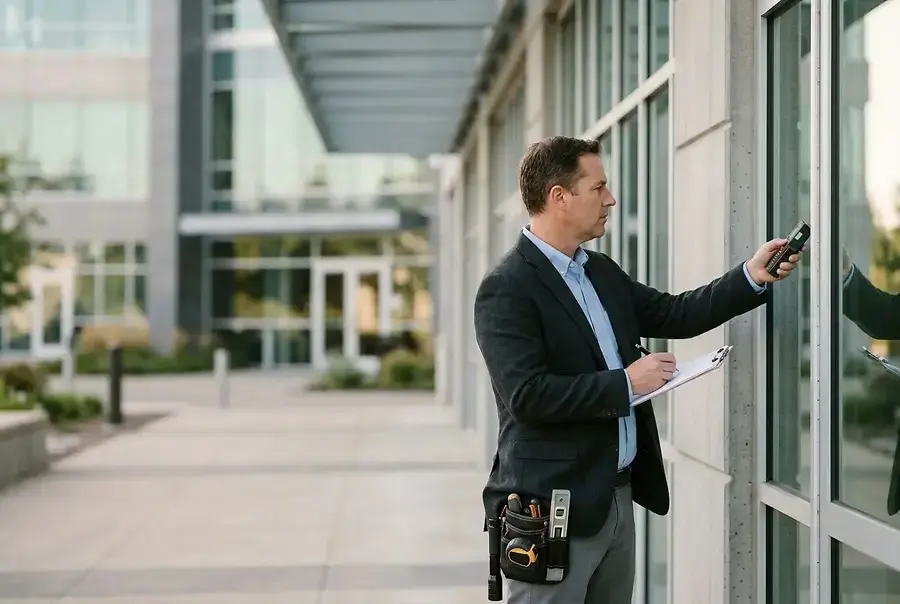
Introduction: Why Commercial Property Inspections Matter
Purchasing commercial property is one of the most significant financial decisions you'll make as a business owner or investor. Unlike residential properties, commercial real estate comes with unique complexities and higher stakes. A thorough inspection can mean the difference between a profitable investment and a costly mistake.
Commercial property inspections serve as your first line of defense against hidden problems that could drain your budget. Whether you're considering a retail space, office building, warehouse, or multi-unit complex in Virginia or Florida, understanding what inspectors look for is essential. This guide will walk you through the critical inspection checkpoints and help you identify potential deal breakers before signing on the dotted line.
Key Areas to Evaluate During Commercial Inspections
Structural Integrity and Foundation
The foundation is the backbone of any commercial property. Inspectors will examine the foundation for cracks, settling, and water damage. Look for signs of structural movement, including uneven floors, cracked walls, and misaligned doors and windows. In Florida's humid climate, foundation issues are particularly common due to soil conditions and moisture exposure.
The roof is equally critical. Inspectors assess roofing materials, age, condition, and remaining lifespan. A roof replacement can cost tens of thousands of dollars, so understanding its current state is vital for budgeting future maintenance.
Mechanical, Electrical, and Plumbing Systems
These systems are the lifeblood of any commercial property. During inspection, professionals evaluate:
- HVAC systems – age, efficiency, maintenance records, and capacity for your intended use
- Electrical systems – panel capacity, wiring condition, and compliance with current codes
- Plumbing infrastructure – pipe materials, water pressure, drainage systems, and potential for corrosion
- Fire suppression systems – functionality and compliance with local regulations
Outdated or failing systems can result in expensive upgrades and operational disruptions. Request maintenance records to understand how well these systems have been maintained.
Environmental and Hazardous Materials
This is one of the most critical areas for commercial properties. Inspectors screen for asbestos, lead paint, mold, and other hazardous materials. In older buildings, particularly in Virginia, asbestos in insulation and flooring is a common concern.
Phase I Environmental Site Assessments (ESA) are highly recommended. This assessment identifies potential environmental contamination from previous uses. If the property has industrial history, a Phase II ESA involving soil and groundwater testing may be necessary.
Building Code Compliance and Permits
Verify that all renovations and additions have proper permits and inspections. Non-compliant work can create liability issues and may require costly corrections. Request documentation of all major work completed on the property, including:
- Building permits and completion certificates
- Certificate of Occupancy
- Zoning compliance documentation
- ADA accessibility compliance records
Exterior Condition and Parking Areas
The exterior reflects the property's overall maintenance. Inspectors examine siding, windows, doors, gutters, and drainage systems. In Florida's coastal areas, salt spray corrosion is a significant concern. Parking lots and driveways should be assessed for cracks, potholes, and proper drainage to prevent water accumulation.
Red Flags and Potential Deal Breakers
Water Damage and Moisture Issues
Water intrusion is a serious problem that can lead to mold growth, structural damage, and ongoing maintenance costs. Be cautious of staining on ceilings, walls, or floors, musty odors, or evidence of previous water damage. In Florida's humid environment, moisture control is especially critical.
Deferred Maintenance
If the property shows signs of neglect—peeling paint, broken fixtures, deteriorating landscaping—it often indicates deeper problems. Deferred maintenance suggests the owner hasn't invested in upkeep, and you may inherit significant repair costs.
Outdated or Failing Systems
If HVAC, electrical, or plumbing systems are near the end of their lifespan, budget for replacement. A 20-year-old roof or 30-year-old HVAC system may fail soon after purchase, creating unexpected expenses.
Zoning and Use Restrictions
Always verify that the property's current or intended use complies with local zoning laws. Discovering zoning restrictions after purchase can prevent you from operating your business as planned.
Environmental Contamination
Any indication of environmental issues should trigger a Phase I ESA at minimum. Contamination remediation can be extremely expensive and may affect property value and insurability.
Structural Damage or Foundation Problems
Significant structural issues are often deal breakers. Repairs can be prohibitively expensive and may affect the property's long-term viability. If the inspector identifies major structural concerns, consider walking away or renegotiating the price substantially.
Conclusion: Making Informed Commercial Real Estate Decisions
A comprehensive commercial property inspection is an investment in your future success. By understanding what inspectors evaluate and knowing which red flags to watch for, you position yourself to make informed decisions. Never skip the inspection process to save money—the cost of a thorough inspection is minimal compared to the potential cost of purchasing a problematic property.
Work with experienced commercial property inspectors familiar with Virginia and Florida's unique environmental and climate challenges. Request detailed inspection reports, ask questions, and don't hesitate to hire specialists for specific concerns like environmental assessments or structural evaluations.
Your due diligence during the inspection phase protects your investment, ensures regulatory compliance, and sets the foundation for a successful commercial real estate venture. Take the time to get it right before you buy.