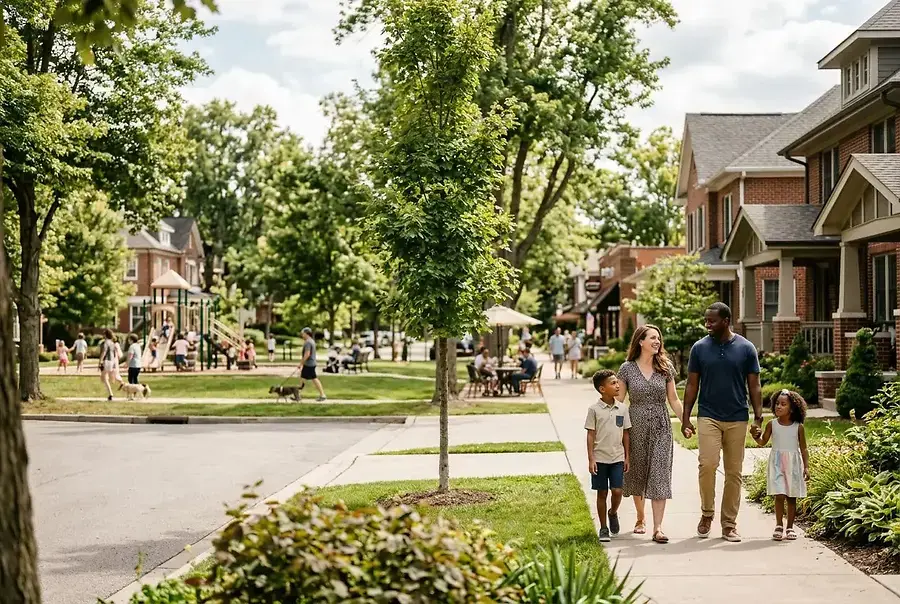
Why Neighborhood Selection Is Your Most Important Decision
Choosing a neighborhood is arguably the most significant decision you'll make when purchasing a home. While the house itself can be renovated and updated, the neighborhood remains constant. Your choice will impact your daily quality of life, property value appreciation, and long-term satisfaction with your investment. A well-selected neighborhood can enhance your lifestyle, provide excellent schools for your children, and offer strong financial returns. Conversely, overlooking critical neighborhood factors can lead to regret and financial loss.
Before signing on the dotted line, take time to thoroughly evaluate potential neighborhoods. This guide will walk you through the essential criteria and research methods that successful homebuyers use to make confident decisions.
Essential Evaluation Criteria: Schools, Safety, Amenities, and Walkability
School Quality and Educational Opportunities
If you have children or plan to start a family, school quality should be a top priority. Research school ratings, test scores, and graduation rates in your target neighborhood. Visit schools in person to assess facilities, teaching staff, and overall environment. Even if you don't have children, excellent schools positively impact property values and neighborhood desirability.
- Check standardized test scores and academic performance metrics
- Review teacher-to-student ratios and staff qualifications
- Investigate extracurricular programs and special education services
- Consider proximity to higher education institutions
Safety and Crime Statistics
A safe neighborhood is essential for peace of mind and property protection. Research crime statistics through local police departments and online crime mapping tools. Look beyond overall crime rates—examine specific types of crimes and trends over time. Visit the neighborhood at different times of day and night to get a genuine feel for safety and community presence.
- Review violent crime, property crime, and theft statistics
- Check for registered sex offenders in the area
- Assess police response times and community policing initiatives
- Talk to current residents about their safety experiences
Amenities and Lifestyle Fit
Consider what amenities matter most to your lifestyle. Do you value parks and outdoor recreation? Are restaurants, shopping, and entertainment important? Evaluate proximity to healthcare facilities, gyms, cultural venues, and other services you regularly use. A neighborhood rich in amenities aligned with your interests will enhance your daily life and provide better long-term satisfaction.
- Identify nearby parks, trails, and recreational facilities
- Research restaurants, retail shops, and entertainment venues
- Check proximity to hospitals, clinics, and healthcare providers
- Evaluate public transportation options and commute times
Walkability and Community Design
Walkability affects both lifestyle quality and property values. Neighborhoods with pedestrian-friendly design, sidewalks, and mixed-use development tend to be more desirable and appreciate faster. Walk around the neighborhood to assess street connectivity, traffic patterns, and pedestrian infrastructure. A walkable community fosters social interaction and reduces dependence on vehicles.
- Evaluate sidewalk quality and pedestrian pathways
- Assess street lighting and visibility
- Review traffic patterns and vehicle speeds
- Check for mixed-use development and local businesses
Researching Long-Term Growth Potential and Community Development Plans
Economic Indicators and Property Value Trends
Understanding economic health is crucial for predicting property appreciation. Research median home prices, price trends, and days-on-market data. A neighborhood with consistent appreciation indicates strong demand and economic stability. Compare price-per-square-foot metrics with surrounding areas to identify undervalued neighborhoods with growth potential.
- Analyze historical price appreciation over 5-10 years
- Compare current prices with similar properties in other neighborhoods
- Review employment rates and major employers in the area
- Assess income levels and demographic trends
Future Development and Infrastructure Plans
Contact local planning departments to learn about upcoming development projects, infrastructure improvements, and zoning changes. New transit lines, commercial developments, or major renovations can significantly impact property values. However, be cautious—some developments may increase traffic or change neighborhood character. Understanding the community's vision helps you anticipate future changes and their potential impact on your investment.
- Review comprehensive plans and zoning ordinances
- Identify planned infrastructure projects and timelines
- Research upcoming commercial or residential developments
- Attend city council meetings and planning sessions
Community Engagement and Neighborhood Character
The neighborhood's character and community engagement level significantly influence quality of life. Visit during community events, farmers markets, or neighborhood gatherings. Talk to residents about their experiences and sense of community. Strong neighborhoods often have active homeowner associations, community organizations, and resident involvement in local issues.
- Attend community events and neighborhood meetings
- Join neighborhood social media groups to observe discussions
- Interview current residents about their experiences
- Assess community involvement in local governance
Confidently Choosing the Right Neighborhood for Your Future
Selecting the right neighborhood requires thorough research, personal visits, and honest self-reflection about your priorities and lifestyle. Create a checklist of must-haves versus nice-to-haves, then systematically evaluate potential neighborhoods against these criteria. Remember that no neighborhood is perfect—focus on finding one that aligns with your values, supports your lifestyle, and represents a sound financial investment.
Take your time with this decision. Visit neighborhoods multiple times, talk to residents, research thoroughly, and trust your instincts. The neighborhood you choose will shape your daily life and financial future for years to come. By following this comprehensive evaluation guide, you'll make a confident, informed decision that you'll be satisfied with for decades.