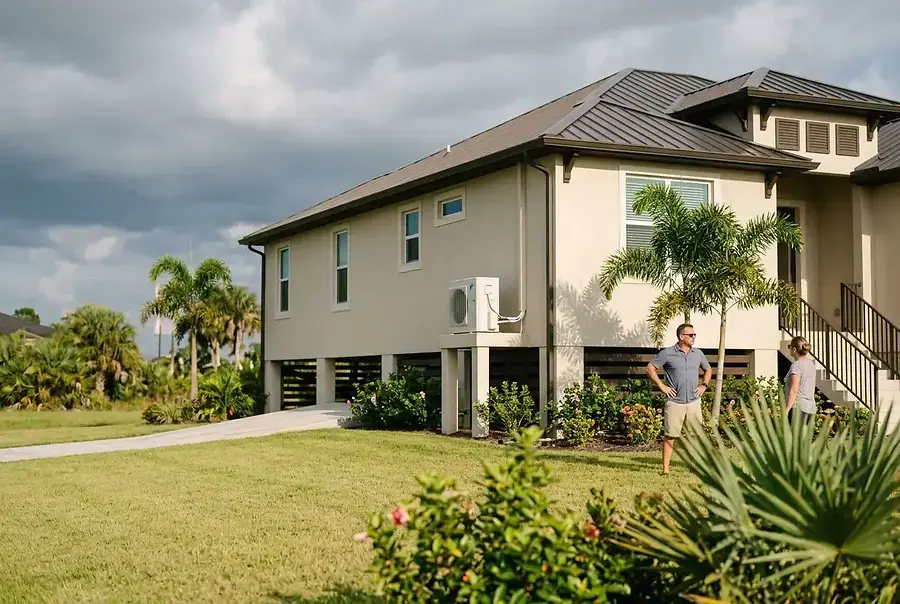
Understanding Flood Risk Zones and Your Fort Myers Home
Fort Myers homeowners face unique challenges when it comes to property protection. Located in Southwest Florida's coastal region, your home is susceptible to flooding from hurricanes, tropical storms, and heavy rainfall. Understanding your flood risk zone is the first step toward securing appropriate insurance coverage.
The Federal Emergency Management Agency (FEMA) designates flood risk zones based on historical data and topographical analysis. Fort Myers properties fall into several categories:
- High-Risk Zones (AE and VE): Properties in these areas have a 1% annual chance of flooding and are typically located near waterways or coastal areas.
- Moderate-Risk Zones (X): These areas have a 0.2% annual chance of flooding but still warrant consideration for coverage.
- Low-Risk Zones: While less likely to flood, these properties can still experience water damage from unexpected events.
To determine your property's flood zone, visit the FEMA Flood Map Service Center online or contact your local Fort Myers building department. Knowing your zone helps you understand your actual risk and make informed insurance decisions.
Flood Insurance Requirements: What Every Homeowner Needs to Know
Mandatory Coverage Requirements
If your Fort Myers home is located in a high-risk flood zone and you have a mortgage backed by federally-regulated lenders, flood insurance is mandatory. Lenders require this protection to safeguard their investment in your property. Failure to maintain required coverage can result in force-placed insurance, which is significantly more expensive and offers minimal protection.
Even if your property is in a moderate or low-risk zone, your lender may still require coverage. Always review your mortgage documents and contact your lender to confirm requirements.
Understanding National Flood Insurance Program (NFIP)
The NFIP is the primary source of flood insurance for most American homeowners. This federal program offers standardized policies with consistent coverage limits and deductibles. Key benefits include:
- Availability regardless of property location or claims history
- Affordable premiums for low-to-moderate risk properties
- Coverage for building structure and personal property
- No waiting period for coverage to take effect
Note: NFIP policies typically have a 30-day waiting period before coverage begins, except in cases of new mortgages or required coverage situations.
Private Flood Insurance Options
Private insurers now offer flood coverage as an alternative to NFIP. These policies may provide higher coverage limits, lower premiums for certain properties, and additional benefits. However, private policies vary significantly, so careful comparison is essential.
Comparing Policies and Finding Affordable Coverage Options
Coverage Limits and Deductibles
Standard NFIP policies offer building coverage up to $250,000 and personal property coverage up to $100,000. Your deductible options typically range from $500 to $5,000. Higher deductibles result in lower premiums, so consider your financial situation when selecting this option.
Building coverage includes your home's structure, foundation, electrical systems, and permanently installed equipment. Personal property coverage protects belongings like furniture, appliances, and clothing.
Cost-Saving Strategies
Reducing your flood insurance premiums doesn't mean sacrificing protection. Consider these strategies:
- Elevate your home: Raising your structure above the base flood elevation can significantly reduce premiums.
- Install flood vents: Allowing water to flow freely through your foundation reduces structural damage and insurance costs.
- Implement flood-resistant materials: Using water-resistant drywall, flooring, and insulation in vulnerable areas qualifies for discounts.
- Maintain proper drainage: Ensuring gutters, downspouts, and grading direct water away from your home demonstrates risk management.
- Bundle policies: Combining flood insurance with homeowners insurance may yield discounts.
- Review annually: Property improvements and market changes can affect your premium, so shop around yearly.
Comparing Quotes Effectively
Don't settle for the first quote you receive. Contact multiple NFIP-authorized agents and private insurers to compare rates. Provide identical property information to each provider for accurate comparisons. Request quotes for different deductible levels and coverage limits to understand your options fully.
Protecting Your Property: Prevention Tips and Claims Process
Proactive Flood Prevention Measures
Beyond insurance, protecting your Fort Myers home requires active prevention strategies:
- Maintain landscaping: Keep gutters clean and ensure proper grading around your foundation.
- Install sump pumps: These devices remove water from basements and crawl spaces automatically.
- Seal cracks: Address foundation cracks and gaps where water can enter.
- Upgrade HVAC systems: Elevate heating and cooling units above potential flood levels.
- Create a flood kit: Prepare emergency supplies including documents, medications, and essentials.
- Develop an evacuation plan: Know your routes and have a communication strategy with family members.
Filing a Flood Insurance Claim
If flooding damages your Fort Myers home, act quickly to minimize additional damage and document everything:
Immediate steps:
- Ensure your safety and that of your family
- Contact your insurance agent or company immediately
- Take photographs and videos of all damage
- Make temporary repairs to prevent further damage
- Keep receipts for all emergency expenses
Documentation process:
- Create a detailed inventory of damaged items with photos
- Gather repair estimates from licensed contractors
- Maintain records of all communication with your insurer
- Request a claim adjuster inspection
- Submit your claim within the required timeframe
Pro Tip: Keep important documents, insurance policies, and property records in a waterproof, fireproof safe or stored digitally in the cloud for easy access during emergencies.
Working with Your Insurance Adjuster
Your insurance company will assign an adjuster to assess the damage. Cooperate fully, provide all requested documentation, and don't hesitate to ask questions. If you disagree with the settlement offer, you have the right to appeal or hire an independent adjuster to review the claim.
Conclusion
Flood insurance is a critical component of protecting your Fort Myers home and financial security. By understanding your flood risk, selecting appropriate coverage, implementing prevention measures, and knowing your claims process, you can face Florida's weather challenges with confidence. Review your insurance needs regularly and stay informed about changes to policies and coverage options to ensure your home remains adequately protected.