Understanding How Home Appraisals Work and Why They Matter
A home appraisal is an independent, professional assessment of your property's fair market value. When you're selling your home, the appraisal serves as a critical checkpoint in the transaction process. Lenders require appraisals to ensure the property value supports the loan amount, and buyers rely on them to confirm they're making a sound investment.
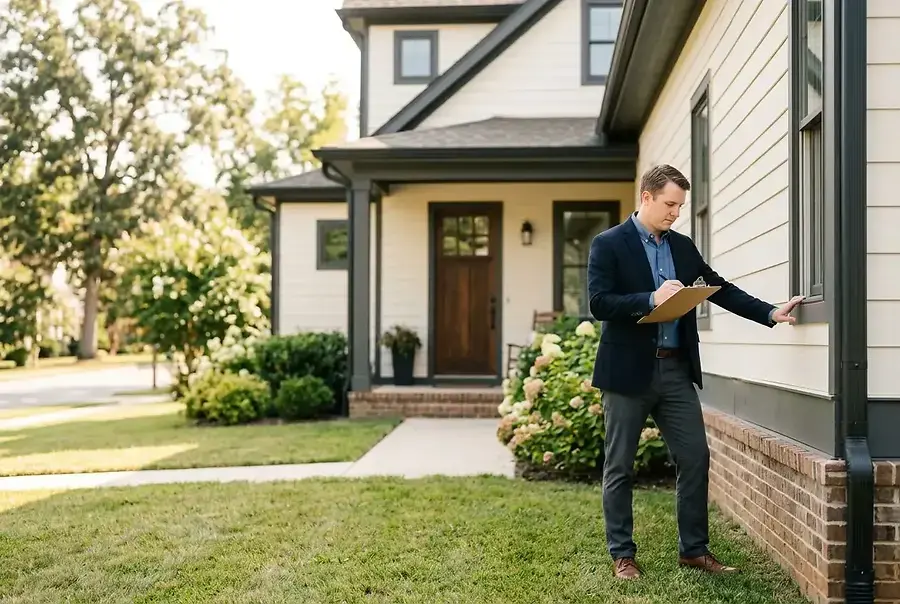
The appraisal process typically involves a licensed appraiser visiting your property to conduct a thorough inspection. They evaluate the home's condition, size, layout, and features, then compare it to similar properties recently sold in your area. This comparative market analysis determines the appraised value, which can significantly impact your sale price and the buyer's financing approval.
Understanding this process is essential because an appraisal that comes in lower than the agreed-upon sale price can derail a deal. Buyers may renegotiate, walk away, or request repairs. As a seller, knowing what appraisers look for allows you to present your home in the best possible light.
Key Factors That Influence Your Home's Appraised Value
Location and Market Conditions
Your home's location is one of the most significant factors in its appraisal value. Proximity to schools, employment centers, shopping, and public transportation all influence how appraisers value your property. Additionally, the current real estate market conditions in your area—whether it's a buyer's or seller's market—affect comparable sales data that appraisers use.
Property Condition and Age
The overall condition of your home directly impacts its appraised value. Appraisers assess the structural integrity, roof condition, HVAC systems, plumbing, and electrical systems. Homes that are well-maintained and updated typically receive higher appraisals than those showing signs of deferred maintenance or outdated systems.
Size, Layout, and Functional Utility
Square footage, number of bedrooms and bathrooms, and the home's functional layout all matter to appraisers. A well-designed floor plan that maximizes usable space is valued more highly than a poorly configured layout, even if the square footage is identical. Open-concept living areas and efficient use of space are particularly appealing to modern buyers and appraisers alike.
Recent Upgrades and Improvements
Strategic renovations can positively influence your appraisal. Kitchen and bathroom updates, new flooring, fresh paint, and modern appliances are improvements that appraisers notice. However, not all upgrades provide equal returns—focus on improvements that enhance functionality and appeal rather than highly personalized customizations.
Comparable Sales Data
Appraisers rely heavily on recent sales of similar properties in your neighborhood. Homes that have sold recently for higher prices in your area establish a stronger baseline for your appraisal. This is why market timing and understanding local trends can influence your home's appraised value.
Proven Strategies to Prepare Your Home for a Higher Appraisal
Enhance Curb Appeal
First impressions matter. A well-maintained exterior sets the tone for the entire appraisal. Ensure your lawn is neatly landscaped, paint is fresh, and the front entrance is inviting. Clean windows, updated house numbers, and a functional front door make a positive impact before the appraiser even steps inside.
Declutter and Deep Clean
A clean, organized home appears more valuable and well-maintained. Remove personal clutter, organize closets, and ensure every room is spotless. This allows appraisers to clearly see the home's features and condition without distractions. Pay special attention to kitchens and bathrooms, as these rooms significantly influence appraisals.
Document Recent Improvements
Keep records of any recent upgrades, repairs, or maintenance work completed. Provide the appraiser with documentation of new roofs, HVAC systems, electrical updates, or plumbing work. This evidence supports a higher appraisal by demonstrating your home's quality and condition.
Address Obvious Defects
Fix minor issues before the appraisal. Leaky faucets, broken light fixtures, cracked windows, and damaged flooring all negatively impact appraisals. These inexpensive repairs can prevent the appraiser from making larger deductions for poor maintenance or needed repairs.
Highlight Unique Features
If your home has special features—a renovated kitchen, energy-efficient systems, a finished basement, or outdoor living spaces—make sure they're in excellent condition and clearly visible. Walk the appraiser through your home and point out upgrades and improvements that might not be immediately obvious.
Ensure Proper Access and Visibility
Make sure the appraiser can easily access all areas of your home, including the attic, basement, and crawl spaces. Clear pathways, remove obstacles, and ensure adequate lighting so the appraiser can thoroughly inspect every room and system. Restricted access can result in lower valuations due to uncertainty.
Provide Accurate Information
When the appraiser asks questions about your home's features, renovations, or systems, provide accurate and detailed information. Honesty builds credibility and ensures the appraisal reflects your home's true value. Misrepresenting information can lead to complications later in the transaction.
Conclusion: Leveraging Appraisal Knowledge to Sell with Confidence
Understanding home appraisals empowers you to take control of your selling experience. By recognizing the factors that influence appraisals and implementing strategic preparation, you can maximize your home's appraised value and strengthen your negotiating position.
Remember that appraisals are not just about the price—they're about demonstrating your home's quality, condition, and appeal. When you present your property professionally and address potential concerns proactively, you increase the likelihood of a favorable appraisal that supports your asking price.
Whether you're preparing to list your home or already in the selling process, use this knowledge to your advantage. A higher appraisal means stronger buyer confidence, smoother financing, and ultimately, a more successful sale. Take action today to prepare your home for appraisal success.