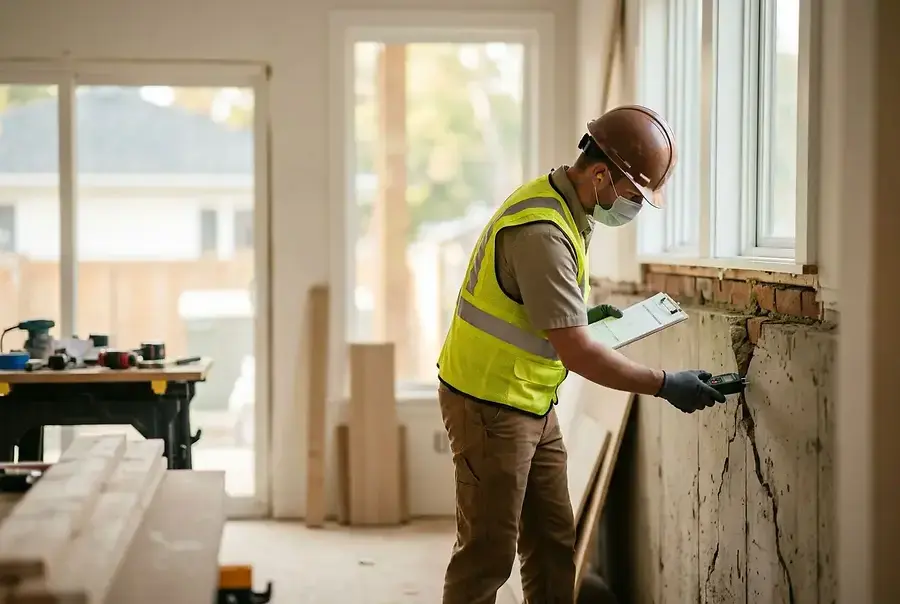
Why Home Inspections Matter More Than You Think
Purchasing a home is one of the most significant financial decisions you'll make in your lifetime. While many buyers focus on location, price, and aesthetics, the true condition of the property often determines whether you're making a smart investment or inheriting a money pit. A thorough home inspection is your opportunity to uncover hidden problems before signing on the dotted line.
Home inspections serve as a critical safeguard, revealing issues that could cost thousands of dollars to repair. Beyond protecting your wallet, a comprehensive inspection gives you negotiating power. Armed with detailed findings, you can request repairs, ask for price reductions, or walk away from a problematic property altogether. Don't skip this step—it's your best defense against costly surprises.
Structural and Foundation Issues That Demand Immediate Attention
Foundation Problems
The foundation is your home's backbone. Any compromise here affects the entire structure. Watch for these warning signs:
- Cracks in the foundation – Small hairline cracks are normal, but large, diagonal, or stair-step cracks indicate serious problems
- Water damage or dampness – Indicates poor drainage or foundation leaks
- Uneven or sloping floors – Suggests foundation settling or shifting
- Gaps between walls and doors/windows – A sign of structural movement
Roof and Attic Concerns
Your roof protects everything beneath it. During inspection, look for:
- Missing, cracked, or curling shingles
- Sagging roof lines or visible structural damage
- Water stains or mold in the attic
- Inadequate ventilation leading to moisture buildup
- Signs of pest infestation or animal damage
A roof replacement can easily cost $10,000 to $30,000 or more, making this inspection critical.
Exterior and Siding Issues
Examine the exterior carefully for rotting wood, deteriorating siding, and improper drainage. These issues can lead to water infiltration and structural decay if left unaddressed.
Systems and Utilities: Identifying Problems With Plumbing, Electrical, and HVAC
Plumbing System Red Flags
Water damage is expensive and can worsen quickly. During your inspection, check for:
- Slow drains or frequent backups – May indicate clogged or deteriorating pipes
- Water stains under sinks or around toilets – Signs of active or past leaks
- Low water pressure – Could indicate pipe corrosion or mineral buildup
- Outdated galvanized pipes – These corrode over time and may need replacement
- Improper grading around the foundation – Allows water to pool near the house
Electrical System Concerns
Faulty electrical systems pose safety risks and can be expensive to repair. Look for:
- Outdated wiring (knob-and-tube or aluminum wiring)
- Insufficient outlets or overloaded circuits
- Flickering lights or outlets that don't work
- A breaker panel that's overcrowded or improperly labeled
- Lack of proper grounding or GFCI outlets in wet areas
Rewiring an entire house can cost $8,000 to $15,000 or more. This is not a minor issue to overlook.
HVAC System Problems
Heating and cooling systems are essential for comfort and can be costly to replace. During inspection, verify:
- The age of the furnace and air conditioning unit
- Whether the system is properly maintained and functioning
- Signs of rust, corrosion, or leaks
- Adequate ductwork and proper airflow throughout the home
- Proper refrigerant levels in the AC system
A new HVAC system can cost $5,000 to $12,000, so understanding its condition is crucial.
Negotiation Strategies Based on Inspection Findings
Document Everything
Your home inspector will provide a detailed report. Keep this document safe and use it as your negotiating tool. Photographs and specific measurements strengthen your position when discussing repairs or price adjustments.
Prioritize Issues by Cost and Safety
Not all problems carry equal weight. Separate critical issues (foundation problems, electrical hazards, roof damage) from cosmetic concerns. Focus negotiations on items that pose safety risks or require expensive repairs.
Get Multiple Repair Estimates
Before negotiating, obtain quotes from licensed contractors for major repairs. This gives you concrete numbers to present to the seller.
Armed with professional estimates, you have leverage to request price reductions or demand that the seller complete repairs before closing.
Know When to Walk Away
Sometimes, the inspection reveals problems so extensive that repairs would exceed the home's value. In these cases, walking away protects your financial future. Don't let emotions override logic—there are always other homes.
Conclusion
A thorough home inspection is your best investment before buying. By understanding what to look for—from foundation cracks to electrical hazards—you empower yourself to make informed decisions. Use inspection findings to negotiate confidently, request necessary repairs, or reconsider your offer altogether.
Remember: the goal isn't to find a perfect home, but to understand exactly what you're buying and what it will cost to maintain. With this knowledge, you'll avoid costly surprises and make a purchase you can feel confident about for years to come.