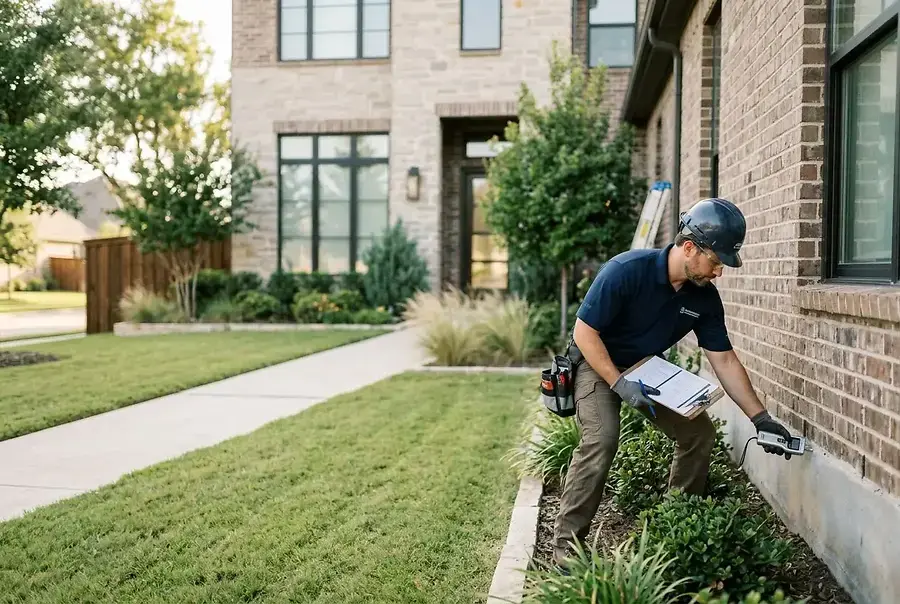
Why Home Inspections Are Critical in the DFW Real Estate Market
Purchasing a home is one of the most significant financial decisions you'll make in your lifetime. In the Dallas-Fort Worth region, where the real estate market moves quickly and competition among buyers remains fierce, a professional home inspection serves as your essential safeguard. A thorough inspection provides an objective assessment of a property's condition before you commit to the purchase, potentially saving you thousands of dollars in unexpected repairs and renovations.
The DFW market's rapid growth has brought homes of varying ages and conditions into the market simultaneously. Older properties may have outdated systems, while newer constructions can sometimes have construction defects that aren't immediately visible. A qualified inspector acts as your advocate, identifying issues that could affect your safety, comfort, and long-term investment value.
Don't skip this critical step. Even in a competitive market where you might feel pressured to waive inspections to make your offer more attractive, the risks far outweigh any perceived advantages. A professional inspection typically costs between $300 and $500 and can reveal problems worth tens of thousands of dollars.
Key Areas Professional Inspectors Evaluate in Texas Homes
Structural Integrity and Foundation
Texas homes, particularly in the DFW area, are built on clay soil that expands and contracts with moisture changes. Inspectors carefully examine foundations for cracks, settling, and signs of movement. They assess the structural integrity of walls, floors, and the overall frame to ensure the home's stability.
Roofing and Exterior
The Texas sun and occasional severe weather make roofing a critical concern. Inspectors evaluate:
- Roof condition, age, and remaining lifespan
- Shingles, flashing, and gutters for damage or deterioration
- Siding, windows, and doors for proper sealing and function
- Drainage systems and grading around the property
Plumbing Systems
Inspectors test water pressure, check for leaks, and evaluate the condition of pipes throughout the home. They examine water heaters, looking for age, proper installation, and signs of corrosion. In older DFW homes, outdated plumbing materials may need replacement.
Electrical Systems
A comprehensive electrical inspection includes checking the panel, breakers, outlets, and wiring. Inspectors ensure the system meets current safety codes and can handle modern electrical demands. Older homes with outdated electrical systems may require upgrades.
HVAC Systems
Given Texas's extreme temperatures, heating and cooling systems are essential. Inspectors evaluate the age, condition, and efficiency of air conditioning units and furnaces, checking for proper operation and maintenance history.
Interior Components
Inspectors examine walls, ceilings, floors, doors, windows, and built-in appliances. They look for water damage, pest evidence, and structural issues that might indicate larger problems.
Common Issues Found in DFW Residential Properties and How to Address Them
Foundation Movement and Settling
Foundation issues are among the most common concerns in the DFW area due to the region's clay soil composition. Minor settling is normal, but significant cracks or uneven floors warrant professional evaluation. Solutions range from simple monitoring to foundation repair, which can be costly but is essential for home safety.
Roof Damage and Age
Many DFW homes have roofs nearing the end of their lifespan. If your inspection reveals a roof older than 15-20 years, budget for replacement. Addressing roof issues promptly prevents water damage to the interior structure.
Outdated Plumbing and Electrical Systems
Older homes may have galvanized pipes that corrode over time or aluminum wiring that poses fire hazards. These systems often require replacement, which should be factored into your offer negotiations or your renovation budget.
HVAC System Failures
Air conditioning units typically last 12-15 years. If your inspection reveals an aging system, plan for replacement costs. In Texas, a reliable HVAC system is non-negotiable for comfort and home value.
Water Intrusion and Moisture Issues
Poor drainage, foundation cracks, or roof leaks can lead to water damage and mold growth. These issues require immediate attention to prevent structural damage and health concerns. Proper grading and drainage solutions can often prevent future problems.
Using Inspection Reports to Negotiate Better Offers and Avoid Costly Surprises
Understanding Your Inspection Report
A professional inspection report provides detailed documentation of the property's condition. It typically categorizes issues by severity: items needing immediate attention, those requiring monitoring, and recommendations for future maintenance. Take time to understand each finding and ask your inspector to clarify any concerns.
Negotiation Strategies
Armed with a thorough inspection report, you have several negotiation options:
- Request repairs: Ask the seller to fix significant issues before closing
- Request credits: Negotiate a reduction in purchase price to cover repairs you'll handle
- Request escrow: Have funds held in escrow to ensure repairs are completed after closing
- Walk away: If issues are too extensive, you may choose to terminate the contract
Prioritizing Issues
Not all inspection findings require negotiation. Focus on major systems and safety concerns: foundation, roof, electrical, plumbing, and HVAC. Minor cosmetic issues or routine maintenance items are typically the buyer's responsibility.
Planning for Future Maintenance
Even if you don't negotiate repairs, use the inspection report to plan your maintenance budget. Understanding the age and condition of major systems helps you anticipate future expenses and avoid surprises.
Pro Tip: After closing, keep your inspection report for future reference. It serves as a baseline for the home's condition and helps you track maintenance and repairs over time.
Working with Your Real Estate Agent
Your real estate agent can help interpret inspection findings and develop a negotiation strategy. They understand local market conditions and can advise whether your requests are reasonable given comparable properties in your area.
A professional home inspection is your opportunity to make an informed decision about one of life's biggest purchases. By understanding what inspectors evaluate and how to use their findings, you protect your investment and ensure you're buying a home that meets your needs and budget. In the competitive DFW market, knowledge is power—and a thorough inspection provides the knowledge you need to negotiate confidently and avoid costly surprises down the road.