Why Home Inspections Matter in Prescott's Unique Climate
Purchasing a home is one of the most significant financial decisions you'll make. In Prescott, Arizona, where the climate presents unique challenges ranging from intense summer heat to occasional winter precipitation, a thorough home inspection becomes even more critical. The high desert environment can accelerate wear on certain building materials and systems, making it essential to understand what you're buying before signing on the dotted line.
A professional home inspection provides an objective assessment of a property's condition, identifying both obvious and hidden defects. This knowledge empowers you to make informed decisions, negotiate repairs or credits with sellers, and budget for future maintenance. In Prescott's climate, where temperature fluctuations and dry conditions can stress building materials, this protection is invaluable.
Key Areas Inspectors Evaluate in Arizona Homes
Roof and Exterior Systems
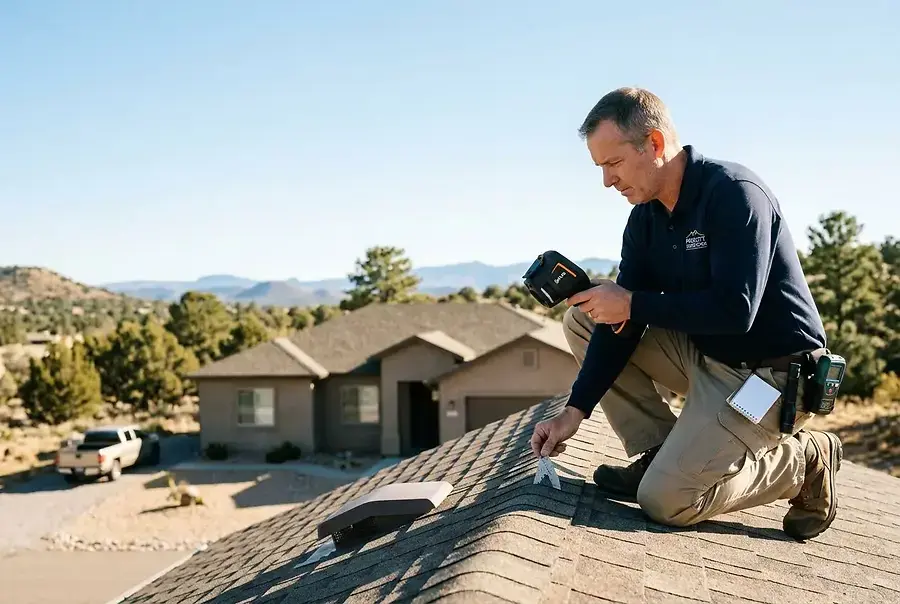
Prescott's intense sun exposure and occasional hail storms make the roof one of the most critical inspection points. Inspectors examine:
- Shingle condition and signs of deterioration
- Flashing integrity around chimneys and vents
- Gutter systems and proper water drainage
- Exterior walls for cracks, damage, or weathering
The dry climate can cause materials to become brittle, so inspectors pay special attention to age and condition indicators.
HVAC and Cooling Systems
In Prescott's warm climate, air conditioning systems work overtime. Inspectors evaluate:
- AC unit age and operational efficiency
- Proper refrigerant levels
- Ductwork condition and sealing
- Thermostat functionality
A well-maintained cooling system is essential for comfort and can represent significant replacement costs if neglected.
Plumbing and Water Systems
Hard water is common in Prescott, which can affect plumbing longevity. Inspectors check:
- Water pressure and flow rates
- Pipe material and condition
- Water heater age and functionality
- Signs of leaks or water damage
- Septic systems or municipal water connections
Electrical Systems
Proper electrical systems are crucial for safety. Inspectors examine:
- Panel condition and capacity
- Outlet and switch functionality
- Grounding and bonding
- Signs of outdated or hazardous wiring
Foundation and Structural Elements
Prescott's soil composition and climate can affect foundations. Inspectors look for:
- Cracks in concrete or foundation walls
- Signs of settling or movement
- Moisture intrusion
- Structural beam and support integrity
Common Issues Found in Prescott Properties and What They Mean
Sun Damage and Fading
Prescott's intense UV exposure can cause premature fading of exterior paint, siding, and roofing materials. While cosmetic, this can indicate the age of materials and their remaining lifespan.
Mineral Deposits and Hard Water Damage
Hard water deposits on fixtures and in pipes are common findings. This may indicate the need for a water softening system and suggests potential plumbing maintenance costs ahead.
Inadequate Insulation
Many older Prescott homes lack sufficient insulation for energy efficiency. This is particularly important given the region's temperature extremes, affecting heating and cooling costs.
Roof Wear and Deterioration
Roof issues are among the most frequently reported problems in Prescott inspections. The combination of intense sun, occasional hail, and temperature fluctuations can shorten roof lifespan. Replacement costs typically range from moderate to substantial, making this a critical negotiation point.
Pest and Termite Damage
Arizona's warm climate supports various pests. Inspectors look for signs of termite damage, carpenter ants, or other infestations that could compromise structural integrity.
HVAC System Age
Many Prescott properties have aging air conditioning systems. Units typically last 10-15 years, and replacement is a significant expense. Inspectors note age and efficiency to help you plan for future costs.
Drainage and Grading Issues
Proper water drainage away from the foundation is critical. Inspectors check that grading slopes away from the home and that gutters direct water appropriately, preventing foundation damage and moisture intrusion.
Using Inspection Results to Negotiate and Protect Your Investment
Understanding Your Inspection Report
A comprehensive inspection report categorizes findings by severity. Critical issues require immediate attention, while minor items may be addressed over time. Understanding this distinction helps you prioritize concerns and negotiate effectively.
Negotiation Strategies
Armed with inspection findings, you have several options:
- Request seller repairs before closing
- Negotiate a price reduction to cover repairs yourself
- Ask for a credit at closing for specific issues
- Request extended warranties for major systems
In Prescott's competitive market, inspection results provide leverage for reasonable requests backed by professional documentation.
Planning for Future Maintenance
Even if all issues are resolved before closing, the inspection report serves as a baseline for future maintenance planning. Understanding your home's condition helps you budget for inevitable repairs and replacements.
Protecting Your Investment Long-Term
A home inspection is not just about identifying problems—it's about understanding your investment and making informed decisions that protect your financial future.
Use inspection findings to establish a maintenance schedule, prioritize improvements, and understand which systems may need replacement soon. This proactive approach prevents costly surprises and maintains your property's value.
Conclusion
Home inspections are an essential step in the Prescott real estate process. By understanding what inspectors evaluate, recognizing common issues in the area, and using inspection results strategically, you protect your investment and make confident purchasing decisions. Whether you're a first-time buyer or experienced investor, a thorough inspection provides the knowledge needed to navigate Prescott's unique real estate market successfully.
Don't skip this critical step—your future self will thank you for the diligence invested today.