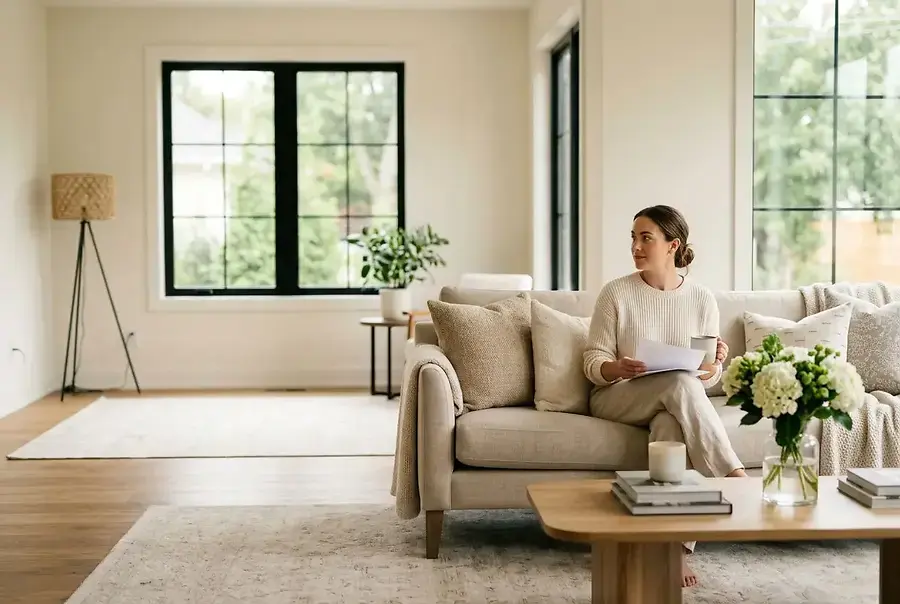
Why Home Staging Is Essential for Modern Home Sales
In today's competitive real estate market, first impressions matter more than ever. Home staging has become an indispensable tool for sellers looking to stand out and maximize their property's value. When potential buyers walk through your door, they're not just evaluating the physical structure—they're envisioning their future in that space.
Home staging is the art of preparing and presenting your home in the most appealing way possible. It involves strategic furniture placement, decluttering, deep cleaning, and thoughtful decorating to highlight your home's strengths while minimizing its weaknesses. The goal is simple: create an emotional connection between buyers and your property.
Research shows that staged homes sell significantly faster and often command higher prices than unstaged properties. Buyers are willing to pay premium prices for homes that feel move-in ready and aesthetically pleasing. By investing in staging, you're not just spending money—you're making a strategic investment that typically returns far more than its cost.
How Professional Staging Influences Buyer Perception and Purchase Decisions
The Psychology Behind Staging
Professional staging taps into fundamental psychological principles that influence purchasing decisions. When a home is properly staged, buyers can more easily imagine themselves living there. This emotional connection is crucial—most home purchases are driven by emotion, not logic.
Staged homes appear larger, brighter, and more valuable. Strategic lighting, neutral color palettes, and minimal clutter create an atmosphere of cleanliness and organization. These elements subconsciously signal to buyers that the home has been well-maintained and cared for.
Key Areas That Impact Buyer Decisions
Certain spaces have disproportionate influence on buyer perception:
- The Entryway: Your home's first impression sets the tone for the entire viewing. A clean, welcoming entrance with fresh flowers or tasteful décor immediately captures attention.
- The Kitchen: Modern kitchens are a major selling point. Ensure countertops are clutter-free, appliances shine, and the space feels open and functional.
- The Master Bedroom: This sanctuary should feel peaceful and spacious. Remove excess furniture and create a serene environment with neutral bedding and soft lighting.
- Bathrooms: Cleanliness is paramount. Sparkling fixtures, organized cabinets, and fresh towels convey quality and attention to detail.
- Living Spaces: These areas should feel inviting and spacious. Arrange furniture to highlight room dimensions and create natural traffic flow.
Step-by-Step Staging Strategies to Showcase Your Home's Best Features
Step 1: Declutter and Depersonalize
Begin by removing personal items, excess furniture, and unnecessary decorations. Buyers need to envision their own lives in your space, not admire your family photos or unique collections. Pack away 30-50% of your belongings to make rooms appear larger and more open.
Step 2: Deep Clean Everything
A spotless home is non-negotiable. Professional cleaning services are worth the investment. Pay special attention to:
- Windows and window sills
- Baseboards and crown molding
- Light fixtures and ceiling fans
- Grout between tiles
- Inside cabinets and closets
Step 3: Optimize Lighting
Proper lighting transforms a space. Open all curtains and blinds to maximize natural light. Replace dim bulbs with brighter, energy-efficient alternatives. Add table lamps and accent lighting to create warmth and ambiance in key areas.
Step 4: Neutralize Your Color Palette
While bold colors express personality, they can deter buyers. Paint walls in neutral tones like soft whites, warm grays, or gentle beiges. These colors create a blank canvas that allows buyers to imagine their own décor choices.
Step 5: Arrange Furniture Strategically
Furniture placement should enhance room flow and highlight space dimensions. Less is more—remove oversized pieces that make rooms feel cramped. Arrange remaining furniture to create clear pathways and define functional areas.
Step 6: Add Finishing Touches
Strategic accessories create visual interest without clutter:
- Fresh flowers or potted plants in entryways and kitchens
- Tasteful artwork on walls
- Throw pillows and blankets on sofas
- Scented candles for a welcoming aroma
- Quality mirrors to reflect light and enhance space perception
Step 7: Enhance Curb Appeal
Don't forget the exterior. A well-maintained front entrance is the first thing buyers see. Ensure your lawn is manicured, paint the front door an inviting color, add potted plants, and ensure the address is clearly visible.
Making Staging Your Competitive Advantage in Today's Market
Home staging isn't about deceiving buyers—it's about presenting your home in its absolute best light and allowing its true potential to shine through.
In a competitive market, staged homes consistently outperform unstaged properties. Buyers are more likely to make offers, and those offers tend to be higher. The return on investment for professional staging typically ranges from 2-10 times the staging cost.
Whether you choose to hire a professional stager or implement these strategies yourself, the key is intentionality. Every element should serve a purpose: to highlight your home's strengths, create an emotional connection, and help buyers envision their future in your space.
By following this comprehensive guide, you're taking control of your home's narrative and positioning yourself for a faster, more profitable sale. In today's market, staging isn't a luxury—it's a necessity for serious sellers who want results.