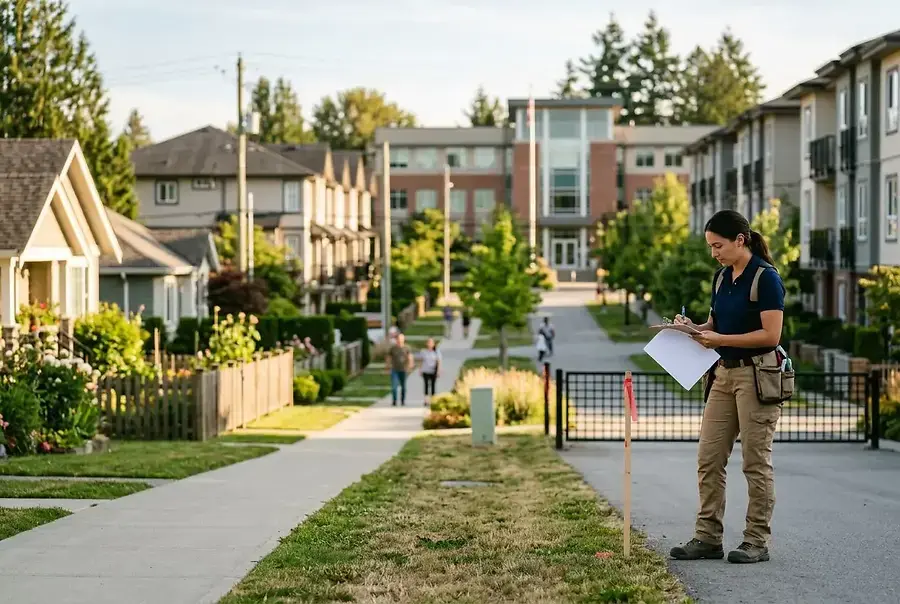
Understanding Zoning Basics: What Every Homeowner and Investor Should Know
Zoning is the foundation of urban planning and property regulation. It divides municipalities into districts, each with specific rules governing how land can be used. Whether you're a first-time homeowner or a seasoned investor, understanding these regulations is essential to making informed decisions about your property.
What is Zoning?
Zoning laws are local regulations that determine what activities can occur on specific properties. These laws categorize land into zones such as residential, commercial, industrial, and mixed-use. Each zone has distinct rules about building height, lot size, setbacks, and permitted uses.
Residential zones are further divided into categories like single-family homes, multi-family apartments, and townhouses. Understanding which zone your property falls into is the first step toward maximizing its potential.
Common Zoning Designations
- R-1 (Single-Family Residential): Permits only detached single-family homes with minimum lot sizes and setback requirements.
- R-2 (Low-Density Multi-Family): Allows duplexes and small apartment buildings with specific density limits.
- R-3 (Medium-Density Multi-Family): Permits larger apartment complexes and townhouses with higher density allowances.
- R-4 (High-Density Multi-Family): Allows high-rise apartments and condominiums in urban areas.
- Mixed-Use Zones: Combine residential with commercial or office spaces in the same development.
How Zoning Affects Property Value, Development Rights, and Future Use
Impact on Property Value
Zoning directly influences property values. Properties in desirable residential zones with good schools and low commercial activity typically command higher prices. Conversely, properties near industrial zones or with restrictive zoning may have lower values.
Understanding zoning can reveal hidden opportunities. A property zoned for multi-family use in an appreciating neighborhood might offer greater long-term value than a single-family home in the same area.
Development Rights and Restrictions
Your zoning designation determines what you can build and how you can use your property. Key restrictions include:
- Building Height: Maximum number of stories permitted in your zone.
- Lot Coverage: Percentage of your lot that can be covered by structures.
- Setback Requirements: Minimum distances from property lines where buildings must be set back.
- Parking Requirements: Minimum parking spaces needed for residential or commercial uses.
- Density Limits: Maximum number of dwelling units per acre.
Future Use Considerations
Zoning affects not just your current use but also future possibilities. A property in a zone transitioning toward mixed-use development might appreciate significantly as commercial opportunities emerge. Investors should research municipal master plans to identify areas likely to experience zoning changes.
"Smart investors don't just buy properties—they buy zoning potential. Understanding where your municipality is heading is as important as understanding where it's been."
Navigating Zoning Changes and Appeals: A Practical Roadmap for Homeowners
When You Need a Zoning Change
Sometimes your plans for a property conflict with current zoning. Perhaps you want to add a rental unit, operate a home-based business, or develop a larger structure. In these cases, you may need to pursue a zoning change or variance.
Understanding Variances and Conditional Use Permits
A variance allows you to deviate from specific zoning requirements due to unique hardship or circumstances. For example, if your lot is unusually shaped, you might request a setback variance.
A conditional use permit (also called a special use permit) allows uses not typically permitted in your zone, subject to specific conditions. This might allow a home office in a residential zone or a small commercial operation.
The Appeal Process
Pursuing a zoning change involves several steps:
- Research: Review your municipal zoning code and comprehensive plan to understand current regulations and future development goals.
- Consult Professionals: Hire a zoning attorney or land use consultant to evaluate your case and guide you through the process.
- Prepare Documentation: Gather surveys, site plans, and evidence supporting your request.
- Submit Application: File your variance or conditional use permit application with your local zoning board.
- Attend Hearing: Present your case before the zoning board of appeals, addressing concerns and demonstrating how your request benefits the community.
- Obtain Approval: If approved, receive your permit and proceed with your project.
Tips for Success
Successful zoning appeals require preparation and community support. Demonstrate that your request won't negatively impact neighbors, aligns with the comprehensive plan, and addresses a genuine need. Building relationships with local officials and understanding their priorities increases your chances of approval.
Conclusion: Using Zoning Knowledge to Make Smarter Residential Decisions
Residential zoning laws might seem complex, but they're navigable with the right knowledge. Whether you're buying a home, planning renovations, or investing in real estate, understanding zoning regulations empowers you to make better decisions.
Start by reviewing your property's zoning designation and local zoning code. Identify any restrictions that might affect your plans. Research your municipality's comprehensive plan to understand future development directions. Consider consulting with professionals when pursuing significant changes or investments.
Zoning knowledge transforms from a regulatory burden into a strategic advantage. Properties with flexible zoning, located in areas experiencing positive zoning transitions, often outperform the broader market. By mastering these regulations, you unlock hidden potential in residential real estate and position yourself for long-term success.
Take action today: Visit your local planning department's website, review your property's zoning designation, and explore how zoning regulations might affect your residential real estate goals.