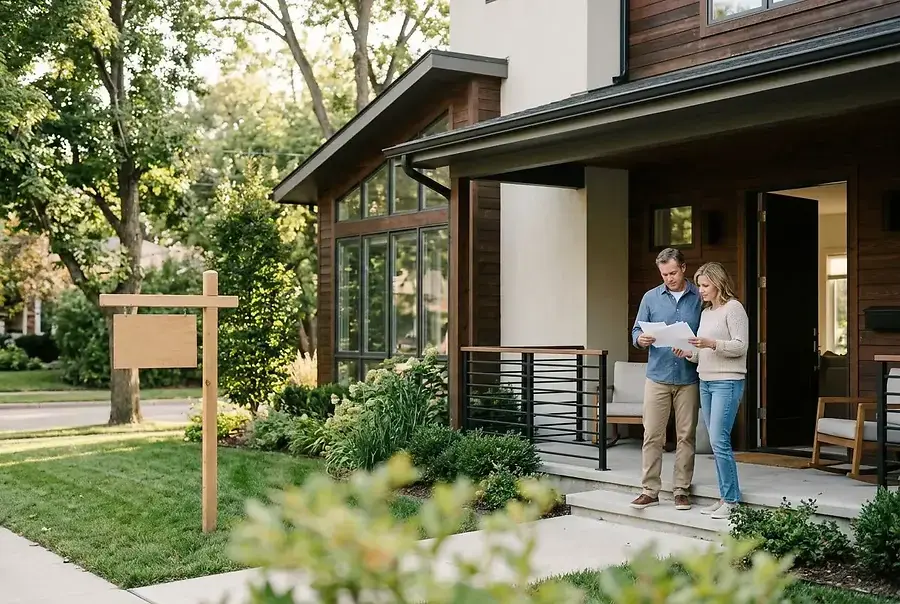
Introduction: The Rise of For-Sale-By-Owner (FSBO) Residential Sales
The real estate market has transformed dramatically in recent years, empowering homeowners to take control of their property sales. For-Sale-By-Owner (FSBO) transactions have become increasingly popular as sellers recognize the potential to save thousands in commission fees. While selling independently requires more effort and knowledge, many homeowners find the financial benefits and personal control well worth the investment of time.
This comprehensive guide will walk you through every step of the FSBO process, from pricing your home correctly to closing the deal. Whether you're motivated by saving commission costs or simply want hands-on involvement in your sale, understanding the fundamentals is essential for success.
Pricing Your Home Correctly Without Professional Appraisal Services
Conducting a Comparative Market Analysis
The foundation of a successful FSBO sale begins with accurate pricing. Comparative Market Analysis (CMA) is your most valuable tool. Research recently sold properties in your neighborhood with similar square footage, condition, and features. Look for homes that sold within the last 90 days for the most relevant data.
- Visit online real estate platforms to review comparable sales
- Note the original listing prices versus final sale prices
- Account for differences in condition, age, and amenities
- Consider your home's unique features and upgrades
Understanding Market Conditions
Your local market conditions significantly impact pricing strategy. In a seller's market, you may price slightly higher, while a buyer's market requires competitive pricing. Monitor how quickly comparable homes are selling and at what percentage of asking price.
Marketing, Showings, and Negotiation Tactics for Independent Sellers
Creating a Compelling Online Presence
In today's digital-first market, online visibility is crucial. List your property on major platforms including Zillow, Realtor.com, and Trulia. Professional photography is non-negotiable—invest in high-quality images or hire a photographer to showcase your home's best features.
- Write a detailed, engaging property description highlighting key features
- Include virtual tours or video walkthroughs when possible
- Post on social media platforms to expand your reach
- Update listings regularly to maintain visibility
Hosting Effective Open Houses and Private Showings
Prepare your home meticulously for showings. First impressions matter enormously. Ensure your property is clean, decluttered, and well-lit. Consider staging to help buyers envision themselves living in the space.
For open houses, create a welcoming atmosphere with fresh flowers, light refreshments, and soft background music. Be prepared to answer questions about the property's history, systems, and neighborhood amenities. Keep a sign-in sheet to track interested buyers and collect contact information.
Mastering Negotiation Tactics
When offers arrive, remain professional and objective. Don't take negotiations personally—they're simply part of the business process. Consider all aspects of an offer, not just the price: closing timeline, contingencies, and buyer financing status all matter.
"The best negotiators listen more than they talk. Understand what buyers truly need, and you'll find common ground more easily."
Be prepared to counter-offer and understand when to walk away from unreasonable demands. Document all communications in writing to avoid misunderstandings.
Legal Documentation, Contracts, and Closing Procedures for FSBO Sales
Understanding Required Legal Documents
This is where FSBO sellers often need professional guidance. Real estate contracts are legally binding documents that require precision. At minimum, you'll need:
- Purchase and sale agreement
- Disclosure forms (property condition, lead-based paint, etc.)
- Title search and title insurance documents
- Home inspection reports
- Appraisal documentation
Working with Professionals
While you're selling independently, hiring a real estate attorney is highly recommended. An attorney ensures all documents comply with state and local laws, protecting you from costly legal issues. Many FSBO sellers also work with title companies to handle closing logistics and ensure clear title transfer.
The Closing Process
Closing involves final inspections, appraisals, and document signing. Coordinate with your title company to schedule the closing date. Review all closing documents carefully before signing, and ensure funds are properly transferred. Never close without confirming that all contingencies have been satisfied.
Conclusion: When to Sell Solo vs. When to Hire Professional Help
Selling your home without an agent is achievable, but it's not ideal for everyone. Consider your comfort level with marketing, negotiation, and legal matters. If you're detail-oriented, have time to dedicate to the process, and your local market is favorable, FSBO selling can save you significant money.
However, recognize when professional help is necessary. Complex situations—such as probate sales, properties with title issues, or highly competitive markets—often benefit from agent expertise. The key is making an informed decision based on your specific circumstances.
Whether you choose to sell independently or hire representation, understanding these fundamentals empowers you to make the best decision for your real estate goals. Success in FSBO selling comes from preparation, realistic pricing, effective marketing, and professional guidance where it matters most.