Introduction: The Critical Role of Home Inspections in Real Estate Transactions
Purchasing a home is one of the most significant financial decisions you'll ever make. Before signing on the dotted line, a professional home inspection serves as your safeguard against costly surprises and hidden defects. A thorough inspection report provides an objective assessment of a property's condition, giving you the knowledge needed to negotiate effectively and protect your investment.
Home inspections have become standard practice in real estate transactions, and for good reason. They uncover issues that might not be visible during a casual walkthrough, from structural problems to electrical hazards. Understanding how to read and interpret these reports empowers you to make informed decisions and avoid purchasing a property with expensive problems lurking beneath the surface.
Understanding What Professional Inspectors Evaluate and Why It Matters
The Scope of a Professional Home Inspection
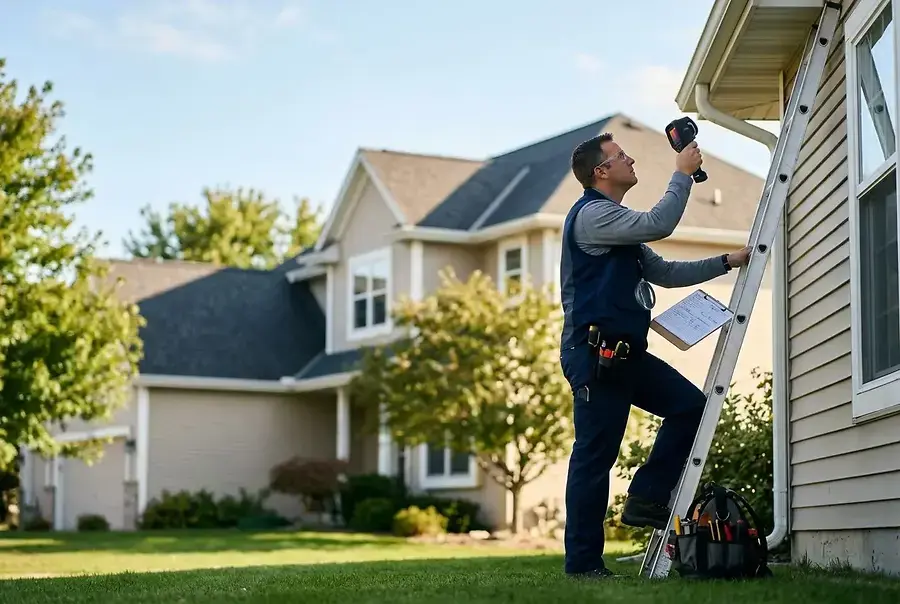
A comprehensive home inspection examines virtually every major system and component of a property. Professional inspectors are trained to evaluate:
- Structural Components: Foundation, walls, roof, and framing integrity
- Roofing Systems: Condition, age, and remaining lifespan of roofing materials
- Exterior Elements: Siding, windows, doors, gutters, and drainage systems
- Plumbing Systems: Water supply lines, drainage, fixtures, and water heater functionality
- Electrical Systems: Panel condition, wiring, outlets, and safety compliance
- HVAC Systems: Heating, cooling, and ventilation equipment performance
- Interior Conditions: Walls, ceilings, floors, and overall structural soundness
- Appliances: Functionality of included appliances and built-in systems
Why Professional Assessment Matters
Professional inspectors bring specialized knowledge and experience that untrained eyes simply cannot match. They understand building codes, common failure points, and how different systems interact. An inspector can identify problems in their early stages before they become catastrophic and expensive. For example, a small roof leak might seem minor, but an inspector recognizes it could lead to structural rot and mold growth if left unaddressed.
The inspection report becomes your roadmap for understanding the property's true condition and helps you determine whether the asking price is justified or if repairs should be factored into your offer.
Common Issues Found During Inspections and Their Impact on Offers and Negotiations
Structural and Foundation Issues
Foundation problems are among the most serious issues inspectors discover. Cracks, settling, or water intrusion can indicate structural concerns that require expensive repairs. When these issues appear in an inspection report, they significantly impact negotiations. Buyers often request substantial price reductions or demand that sellers complete repairs before closing.
Roofing Problems
Roof condition directly affects a home's value and your future expenses. Inspectors assess the age, material condition, and remaining lifespan of roofing systems. A roof nearing the end of its life can cost $10,000 to $25,000 to replace, making this a major negotiation point. Many buyers request the seller replace the roof or provide a credit toward replacement costs.
Electrical and Plumbing Deficiencies
Outdated or faulty electrical systems pose safety hazards and may not meet current building codes. Similarly, plumbing issues like corroded pipes, inadequate water pressure, or failing water heaters require attention. These systems are expensive to repair or replace, making inspection findings critical to your negotiating position.
HVAC System Failures
Heating and cooling systems are essential for comfort and can be costly to repair or replace. An inspection revealing an aging or malfunctioning HVAC system gives you leverage to request repairs or credits. Understanding the age and condition of these systems helps you budget for future maintenance.
Water Damage and Mold
Water intrusion and mold growth are red flags that inspectors take seriously. These issues indicate potential structural damage and health concerns. Inspection reports documenting water damage or mold significantly strengthen your negotiating position and may even be grounds for walking away from a deal if remediation costs are prohibitive.
Using Inspection Findings in Negotiations
Once you receive the inspection report, you have several options:
- Request Repairs: Ask the seller to fix identified issues before closing
- Negotiate Credits: Request a price reduction to cover repair costs yourself
- Renegotiate the Offer: Adjust your purchase price based on the property's actual condition
- Walk Away: If major issues are discovered, you may have grounds to terminate the contract
The inspection report is your leverage in negotiations. Armed with a detailed assessment of problems, you can make reasonable requests backed by professional findings rather than subjective opinions.
Conclusion: Using Inspection Reports to Make Informed Decisions and Protect Your Home Investment
A home inspection report is far more than a formality in the real estate process—it's an essential tool that protects your financial investment and your family's safety. By understanding what inspectors evaluate and how to interpret their findings, you gain the knowledge needed to make confident decisions about your purchase.
Remember: the cost of a professional home inspection is minimal compared to the potential cost of discovering major problems after you've already closed on the property.
Take time to review the inspection report thoroughly, ask your inspector questions about any concerns, and use the findings to negotiate effectively. Whether you're a first-time homebuyer or an experienced investor, a comprehensive home inspection provides peace of mind and protects one of your most valuable assets. Don't skip this critical step—your future self will thank you.