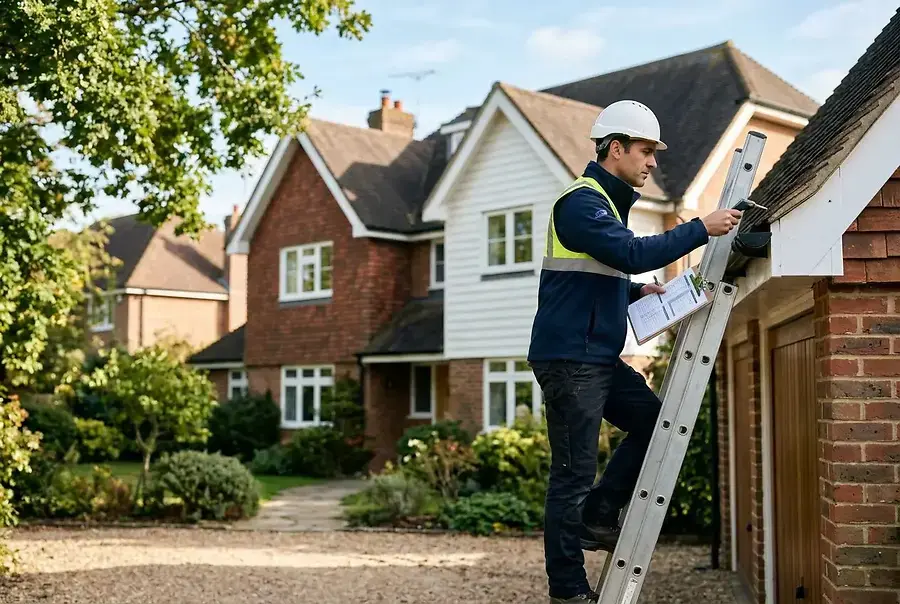
Understanding the Home Inspection Process in Westminster
A home inspection is one of the most critical steps in the home-buying process. It's a thorough examination of a property's physical structure and systems, conducted by a licensed professional inspector. In Westminster, this inspection typically takes 2-4 hours and covers everything from the foundation to the roof.
Before you make an offer or schedule a closing, a home inspection gives you valuable insight into the true condition of the property. This is your opportunity to identify potential problems that could cost thousands of dollars to repair after purchase. Most Westminster home purchase agreements include a contingency period allowing buyers to conduct inspections and request repairs or credits.
The inspection process begins with a walk-through of the exterior, including the roof, siding, windows, and landscaping. The inspector then moves inside to evaluate the interior systems and structure. You have the right to be present during the inspection, and it's highly recommended that you attend to ask questions and understand the findings firsthand.
Key Areas Inspectors Evaluate and Red Flags to Watch For
Structural Components
Inspectors carefully examine the foundation, walls, and overall structural integrity of the home. Cracks in the foundation, water damage, or signs of settling are serious red flags that require immediate attention. These issues can be expensive to repair and may indicate larger problems with the property.
Roofing and Exterior
The roof is one of the most expensive components to replace. Inspectors look for:
- Missing or damaged shingles
- Signs of leaks or water damage
- Proper ventilation and flashing
- Age and remaining lifespan of the roof
Exterior elements like gutters, downspouts, and siding are also evaluated for proper function and condition.
Plumbing and Water Systems
A thorough inspection includes testing water pressure, checking for leaks, and evaluating the condition of pipes. Outdated plumbing, galvanized pipes, or signs of water damage can indicate costly repairs ahead. Inspectors also check the water heater's age and functionality.
Electrical Systems
Electrical safety is paramount. Inspectors verify that the electrical panel is properly grounded, check for outdated wiring, and ensure outlets are functioning correctly. Aluminum wiring or an insufficient electrical panel are common issues in older Westminster homes.
HVAC Systems
The heating, ventilation, and air conditioning systems are tested for proper operation. Inspectors note the age of the system and any signs of malfunction. A failing HVAC system can be a significant expense, so understanding its condition is crucial.
Insulation and Ventilation
Proper insulation and ventilation affect energy efficiency and prevent moisture problems. Inspectors check attic insulation levels and ensure adequate ventilation to prevent mold and rot.
How to Interpret Your Inspection Report and Negotiate Repairs
Understanding the Report
Your inspection report will be detailed and comprehensive. It typically categorizes findings into three levels: safety concerns, major repairs, and minor maintenance items. Take time to read through the entire report and ask your inspector to clarify any confusing sections.
"Don't panic if your inspection report identifies issues. Most homes have some problems—what matters is understanding their severity and cost to repair."
Prioritizing Issues
Not all inspection findings require immediate action. Focus on safety issues and major structural problems first. Minor cosmetic issues or routine maintenance can often be addressed after purchase. Work with your real estate agent to determine which items are worth negotiating.
Negotiation Strategies
Once you have the inspection report, you have several options:
- Request repairs: Ask the seller to fix critical issues before closing
- Request credits: Negotiate a credit toward closing costs to handle repairs yourself
- Request price reduction: Ask for a lower purchase price to account for necessary repairs
- Walk away: If major issues are discovered, you may have grounds to terminate the contract
Be reasonable in your requests. Sellers are more likely to negotiate on significant structural or safety issues than minor cosmetic problems. Your inspector's report provides documentation to support your negotiation position.
Moving Forward: Using Inspection Results to Finalize Your Purchase
Getting Repair Estimates
For any items you plan to negotiate, obtain written estimates from licensed contractors. This gives you concrete numbers to discuss with the seller and helps ensure you're making informed decisions based on actual repair costs.
Final Walk-Through
Before closing, conduct a final walk-through of the property. Verify that any agreed-upon repairs have been completed satisfactorily. Check that the home is in the condition you expected based on your inspection and negotiations.
Planning for Future Maintenance
Use your inspection report as a maintenance guide for the future. Note the age of major systems and plan for replacements accordingly. Regular maintenance can prevent small issues from becoming expensive problems. Keep your inspection report for reference and share it with future buyers if you ever sell the property.
Peace of Mind
A thorough home inspection provides peace of mind as you move forward with your Westminster purchase. You'll understand exactly what you're buying and can make informed decisions about repairs and negotiations. This knowledge protects your investment and helps you avoid costly surprises after closing.
Remember, a home inspection is not about finding reasons to back out of a deal—it's about making an informed purchase decision. By understanding the inspection process and carefully reviewing the results, you're taking an important step toward becoming a confident, informed homeowner in Westminster.