Why a Thorough Home Inspection Protects Your Investment
Purchasing a home is one of the most significant financial decisions you'll make in your lifetime. A thorough home inspection is your best defense against costly surprises after closing. Professional inspectors evaluate hundreds of components and systems, identifying defects that could cost thousands to repair. By understanding what inspectors look for and what red flags matter most, you can make informed decisions and negotiate repairs or credits before signing the final paperwork.
A comprehensive inspection protects you by revealing hidden problems that aren't visible during a casual walkthrough. From structural issues to failing systems, catching problems early gives you leverage to renegotiate the purchase price or require the seller to make repairs. This proactive approach transforms the inspection from a formality into a powerful tool that safeguards your investment.
Essential Systems to Evaluate
Foundation and Structural Integrity
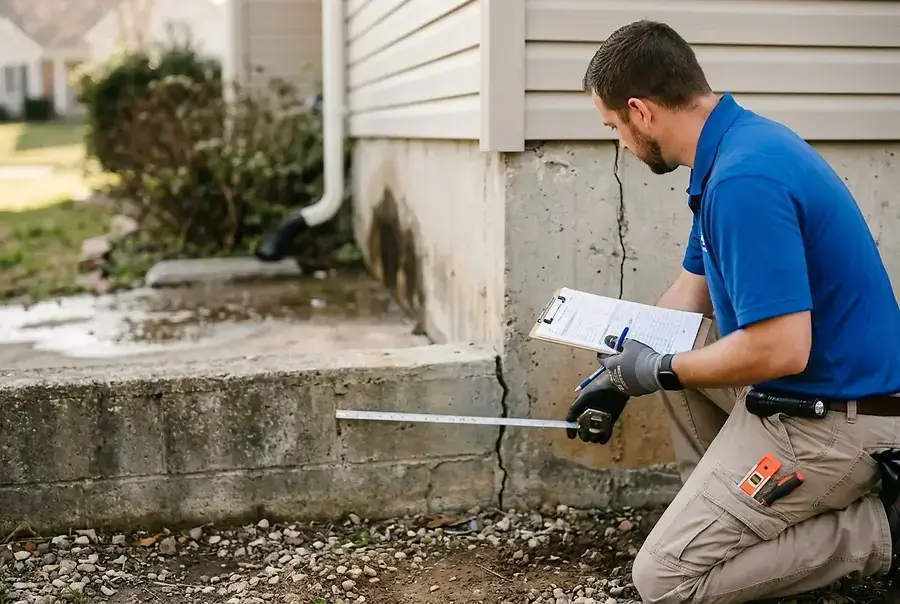
The foundation is the literal foundation of your home's value and safety. Inspectors examine foundations for cracks, settling, water damage, and signs of structural movement. Look for these critical indicators:
- Horizontal or stair-step cracks in foundation walls, which suggest serious structural problems
- Water intrusion or dampness in basements or crawl spaces
- Bowing or leaning walls that indicate pressure or settling issues
- Gaps between the foundation and framing suggesting movement or settlement
Foundation repairs can easily exceed $10,000, making this system one of the most important to evaluate carefully.
Roof Condition and Lifespan
Your roof protects everything beneath it, making its condition critical. Inspectors assess roofing materials, age, and signs of deterioration. Key concerns include:
- Missing or damaged shingles that expose underlayment to weather
- Sagging roof lines indicating structural problems or water damage
- Flashing issues around chimneys, vents, and valleys where leaks commonly occur
- Moss or algae growth suggesting moisture retention and potential decay
- Age of roofing materials – most asphalt shingles last 15-20 years
A roof replacement can cost $8,000 to $25,000 depending on size and materials, so understanding its remaining lifespan is essential.
Plumbing Systems
Plumbing issues range from minor annoyances to major water damage threats. Inspectors check water supply lines, drainage systems, and fixtures for problems such as:
- Slow drains or backups indicating clogs or deteriorating pipes
- Water pressure issues suggesting problems with supply lines or valves
- Corrosion or leaks in visible pipes, especially older galvanized or polybutylene pipes
- Water heater age and condition – typical lifespan is 8-12 years
- Improper venting or grading that could lead to foundation water damage
Replacing plumbing throughout a home can cost $5,000 to $15,000, making early detection valuable.
Electrical Systems
Electrical problems pose safety hazards and fire risks, making this system critically important. Inspectors evaluate the panel, wiring, outlets, and safety devices for issues including:
- Outdated or undersized electrical panels that can't handle modern power demands
- Knob-and-tube wiring or aluminum wiring, which pose fire hazards
- Missing ground fault circuit interrupters (GFCIs) in bathrooms and kitchens
- Reversed polarity or improper grounding creating shock hazards
- Insufficient outlets or overloaded circuits indicating safety concerns
Electrical upgrades can range from $3,000 to $10,000 or more, depending on the extent of needed work.
Red Flags That Could Impact Your Purchase Decision and Negotiation Power
Water Damage and Moisture Issues
Water damage is one of the most expensive problems to remediate. Look for staining on ceilings, walls, or in crawl spaces. Moisture problems can lead to mold growth, structural decay, and foundation damage. Any evidence of active leaks or water intrusion should be taken seriously and professionally evaluated.
Mold and Indoor Air Quality
Mold growth indicates moisture problems and poses health risks. While some mold is normal, extensive mold colonies require professional remediation, which can cost thousands of dollars. Inspectors note mold presence, but you may need a specialized mold inspection for detailed assessment.
HVAC System Failures
Heating and cooling systems are expensive to replace. If the furnace or air conditioner is near the end of its lifespan or showing signs of failure, factor replacement costs into your negotiation. A new HVAC system typically costs $5,000 to $10,000.
Pest Infestations
Evidence of termites, carpenter ants, or other wood-destroying insects requires immediate attention. Pest damage can compromise structural integrity and requires professional treatment. Termite damage alone can cost $5,000 to $20,000 to repair.
Code Violations and Unpermitted Work
Additions or modifications completed without proper permits create liability issues and may require costly corrections. Inspectors note unpermitted work, which could affect your ability to sell the home later or require expensive remediation.
Asbestos and Lead Paint
Homes built before the 1980s may contain asbestos in insulation, flooring, or roofing materials. Homes built before 1978 likely contain lead paint. While presence alone isn't necessarily a deal-breaker, professional abatement can be expensive and requires specialized contractors.
Using Inspection Results to Make Confident Buying Decisions
Once you receive the inspection report, prioritize findings by severity and cost. Critical structural, safety, or system failures warrant serious negotiation or reconsideration. Request repair estimates from licensed contractors for major issues, then use these figures to negotiate with the seller.
You have several options: request the seller make repairs before closing, ask for a credit to cover repairs yourself, or renegotiate the purchase price. Some issues are deal-breakers, while others are manageable with proper planning and budgeting.
A thorough home inspection is your opportunity to make an informed decision about one of life's biggest purchases. By understanding what to look for and recognizing red flags, you gain the knowledge and negotiation power needed to protect your investment and move forward with confidence.
