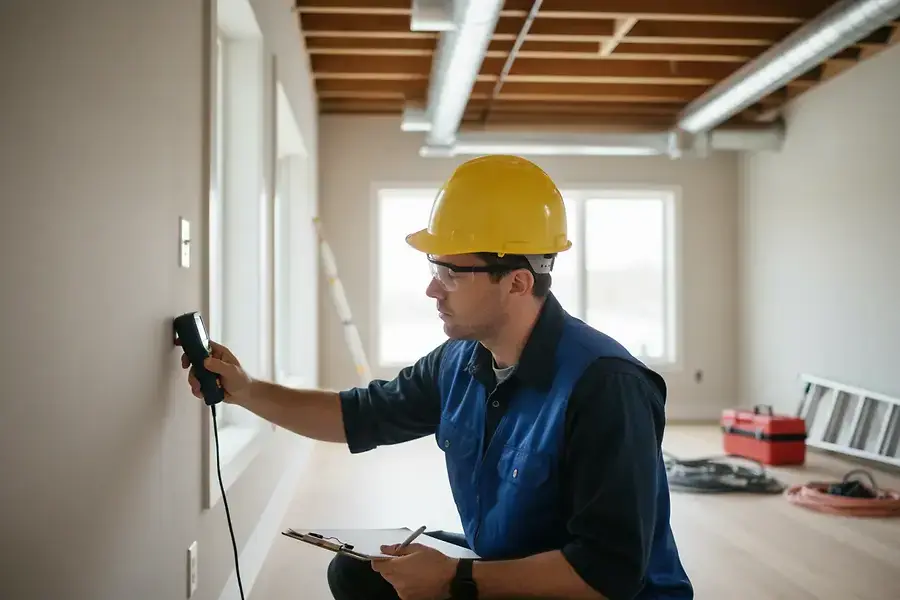
Introduction: Why Home Inspections Are Critical to Protecting Your Investment
Purchasing a home is one of the most significant financial decisions you'll ever make. Before signing on the dotted line, a professional home inspection is your best defense against costly surprises and hidden defects. A thorough inspection can reveal problems ranging from minor repairs to major structural issues that could affect your safety and financial security.
Home inspectors are trained professionals who systematically evaluate a property's condition, identifying potential problems that may not be visible to the untrained eye. Understanding what they examine helps you make informed decisions and negotiate repairs or price adjustments with confidence. Let's explore the key areas that professional inspectors focus on during their evaluations.
Structural and Foundation Issues: What Inspectors Look For
Foundation Assessment
The foundation is the backbone of any home. Inspectors carefully examine the foundation for signs of settling, cracks, water damage, and structural movement. They look for:
- Cracks in the foundation – Both horizontal and vertical cracks can indicate serious problems
- Water intrusion – Signs of moisture, efflorescence, or mold growth
- Uneven settling – Gaps between walls and floors that suggest foundation movement
- Drainage issues – Poor grading or inadequate drainage systems around the foundation
Roof and Exterior Structure
Your roof protects everything beneath it, making its condition crucial. Inspectors evaluate:
- Roof age and condition – Identifying worn shingles, missing tiles, or deteriorating materials
- Flashing and seals – Checking around chimneys, vents, and skylights for leaks
- Gutters and downspouts – Ensuring proper water drainage away from the home
- Exterior walls – Examining siding, brick, or stucco for damage or decay
- Windows and doors – Checking for proper sealing, operation, and signs of water damage
Interior Structural Elements
Inspectors also examine the home's interior framing and structural components, including walls, ceilings, and floors. They look for signs of water damage, pest infestation, and structural deterioration that could compromise the home's integrity.
Systems and Utilities: Evaluating HVAC, Plumbing, and Electrical Components
Heating, Ventilation, and Air Conditioning (HVAC)
A properly functioning HVAC system is essential for comfort and energy efficiency. Inspectors evaluate:
- System age and condition – Determining remaining lifespan and efficiency
- Furnace and air conditioning units – Testing operation and checking for proper maintenance
- Ductwork – Inspecting for leaks, blockages, or improper installation
- Thermostat functionality – Ensuring proper temperature control
Plumbing Systems
Water systems are critical to daily living. Professional inspectors examine:
- Water supply lines – Checking for leaks, corrosion, and proper water pressure
- Drain and waste systems – Testing drainage and looking for clogs or deterioration
- Water heater – Evaluating age, condition, and proper operation
- Fixtures and appliances – Testing sinks, toilets, showers, and connected appliances
- Water quality – Identifying potential contamination or hard water issues
Electrical Systems
Electrical safety is paramount. Inspectors thoroughly evaluate:
- Main electrical panel – Checking for proper grounding, adequate capacity, and safety concerns
- Wiring and outlets – Identifying outdated wiring, improper installations, or fire hazards
- Circuit breakers – Ensuring proper function and labeling
- Grounding and bonding – Verifying safety systems are properly installed
- Lighting and switches – Testing functionality throughout the home
Additional Systems
Depending on the property, inspectors may also evaluate:
- Gas lines – Checking for leaks and proper installation
- Septic systems – Assessing condition and functionality (for rural properties)
- Well water systems – Testing water quality and pump operation
- Insulation and ventilation – Evaluating energy efficiency and moisture control
Conclusion: Using Inspection Reports to Make Confident Buying Decisions
A comprehensive home inspection report provides detailed documentation of the property's condition, complete with photographs and recommendations. This information empowers you to:
Negotiate effectively: Use inspection findings to request repairs, credits, or price reductions from the seller.
Plan for maintenance: Understand which systems may need replacement or repair in the near future, allowing you to budget accordingly.
Identify safety hazards: Address critical issues that could pose risks to your family's health and safety.
Make informed decisions: Decide whether to proceed with the purchase, request further inspections, or walk away from a problematic property.
"A home inspection is not just about finding problems—it's about gaining peace of mind and protecting one of your most valuable assets."
Don't skip the home inspection to save money. The cost of a professional inspection is minimal compared to the potential expenses of undiscovered problems. By understanding what inspectors examine and carefully reviewing their reports, you'll make confident decisions that protect your investment and ensure your new home is safe, sound, and ready for your family.