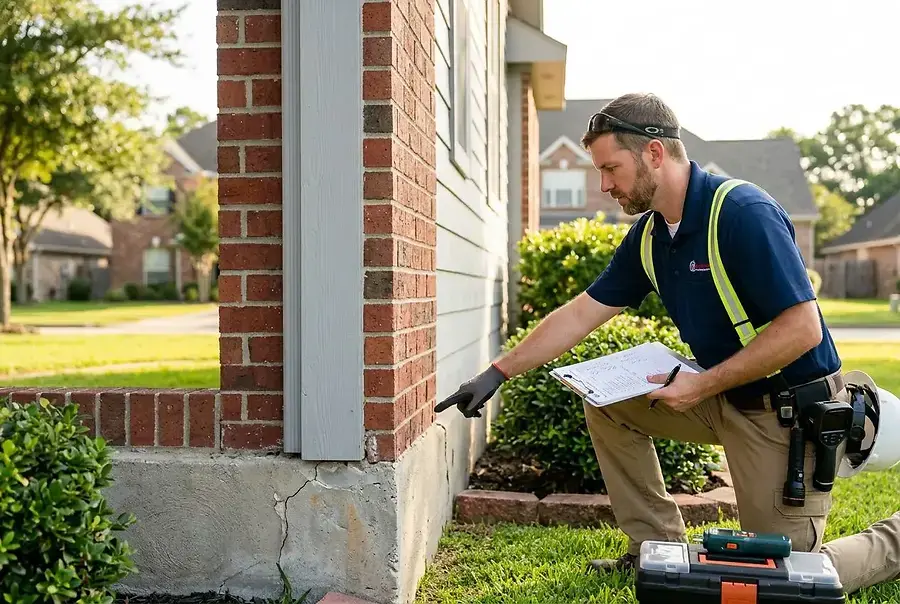
Understanding the Home Inspection Process
A home inspection is one of the most critical steps in the home-buying process. This thorough examination of a property's condition can reveal hidden problems that might cost thousands of dollars to repair. In Beaumont, TX, where the humid climate and occasional severe weather can impact home structures, inspections are especially important.
During a typical home inspection, a licensed professional will spend two to three hours examining your potential new home. They'll evaluate the structural integrity, mechanical systems, and overall condition of the property. Understanding what happens during this process helps you prepare questions and know what to expect.
What Happens During an Inspection
Your inspector will create a detailed report documenting their findings. This report becomes your roadmap for negotiations and future maintenance. The inspector won't make repairs or provide estimates—they simply document what they find. Having a real estate agent or attorney review the report with you can help you understand the implications of any issues discovered.
Key Areas Inspectors Evaluate
Professional home inspectors follow a systematic approach to evaluate properties. Here are the critical areas they examine:
Structural Components
- Foundation: Inspectors look for cracks, settling, or water damage that could indicate serious structural problems
- Roof: Age, condition, missing shingles, and signs of leaks are carefully assessed
- Walls and Siding: Damage, rot, or pest infestation can compromise the home's integrity
- Windows and Doors: Proper sealing and functionality are essential for energy efficiency
Mechanical Systems
- HVAC System: Heating and cooling efficiency is crucial in Texas's hot climate
- Plumbing: Water pressure, drainage, and potential leaks throughout the system
- Electrical System: Safety concerns, outdated wiring, and proper grounding
- Water Heater: Age, condition, and proper installation
Interior and Exterior Features
- Attic and Insulation: Proper ventilation and adequate insulation for energy savings
- Basement or Crawl Space: Signs of moisture, mold, or pest damage
- Appliances: Functionality of included appliances
- Drainage and Grading: Proper water drainage away from the foundation
Environmental and Safety Concerns
- Mold and Moisture: Particularly important in humid Texas climates
- Pest Damage: Evidence of termites, rodents, or other infestations
- Asbestos and Lead: Older homes may contain these hazardous materials
- Carbon Monoxide: Proper ventilation of gas appliances
How to Use Inspection Results in Negotiations
Once you receive the inspection report, you have several options for moving forward. Don't panic if issues are found—most homes have some minor problems. The key is determining which issues are deal-breakers and which are manageable.
Evaluating the Severity of Issues
Work with your real estate agent to categorize findings into three groups: critical issues that require immediate attention, significant issues that should be addressed soon, and minor issues that are cosmetic or easily fixable. Critical issues might include foundation problems, roof leaks, or faulty electrical systems.
Negotiation Strategies
Remember: The inspection report is a negotiation tool. You can request the seller make repairs, offer a credit toward repairs, or reduce the purchase price to account for needed work.
- Request Repairs: Ask the seller to fix critical issues before closing
- Negotiate Credits: Request a credit to handle repairs yourself, often more cost-effective
- Price Reduction: Ask for a lower purchase price to offset repair costs
- Walk Away: If issues are too severe or costly, you may choose to terminate the contract
In Beaumont's competitive real estate market, being strategic about negotiations can save you significant money. Get repair estimates from licensed contractors to support your negotiation position with concrete numbers.
Taking Action on Inspection Findings
Creating a Maintenance Plan
After closing, prioritize the issues found during inspection. Create a timeline for addressing problems based on urgency and your budget. Some repairs can wait, while others require immediate attention to prevent further damage.
Hiring Qualified Contractors
For significant repairs, always hire licensed, insured contractors with good references. Get multiple quotes and verify their credentials. This is especially important for structural, electrical, and plumbing work that requires expertise.
Documentation and Warranties
Keep all inspection reports, repair estimates, and contractor invoices in a safe place. These documents are valuable for future reference, insurance claims, and when you eventually sell the property. Request warranties on all completed repairs.
Future Prevention
Use inspection findings to inform your maintenance routine. If the inspector noted poor drainage, improve your gutters and grading. If HVAC efficiency was a concern, schedule regular maintenance. Proactive maintenance prevents expensive problems down the road.
A thorough home inspection is your best defense against costly surprises in your Beaumont home purchase. By understanding the process, knowing what inspectors evaluate, and using results strategically in negotiations, you'll make a more informed decision and protect your investment for years to come.