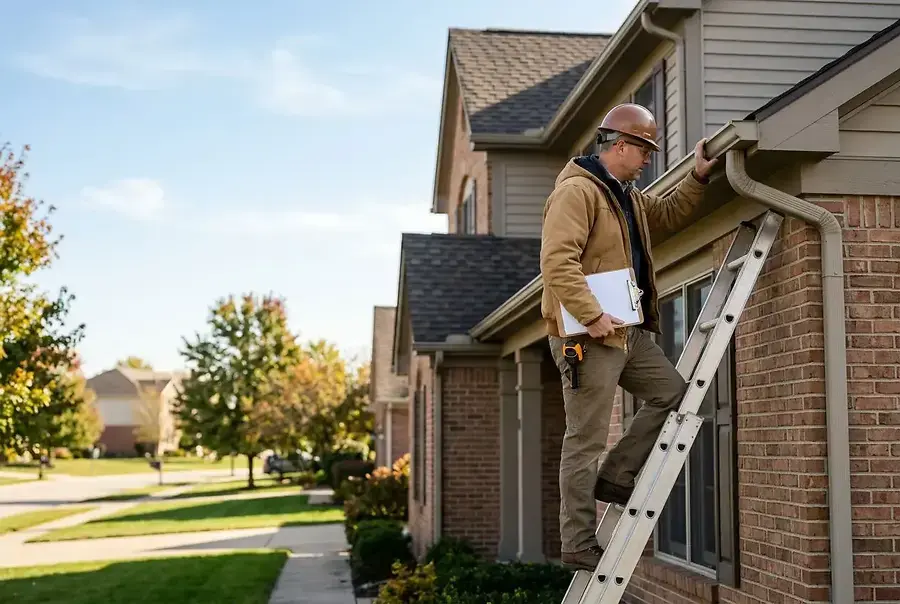
Why Home Inspections Matter in Central Ohio's Diverse Housing Market
Central Ohio's real estate market is as diverse as its communities, ranging from historic Victorian homes in German Village to modern suburban developments in New Albany and everything in between. Whether you're purchasing a charming 1920s bungalow or a contemporary ranch home, a professional home inspection is one of the most critical steps in the buying process.
A thorough home inspection protects your investment by identifying potential issues before you commit to the purchase. In Central Ohio, where homes experience significant seasonal changes and varying weather conditions, inspections are particularly valuable. They provide you with detailed information about a property's condition, help you negotiate repairs or price adjustments, and give you peace of mind about your new investment.
Key Areas Inspectors Evaluate in Suburban and Urban Homes
Structural Components and Foundation
Inspectors begin by examining the foundation, looking for cracks, settling, or water damage. Central Ohio's clay-heavy soil can sometimes cause foundation issues, making this assessment especially important. They'll also evaluate the overall structural integrity, including walls, floors, and support beams.
Roofing and Exterior
The roof is your home's first line of defense against the elements. Inspectors assess shingle condition, flashing, gutters, and drainage systems. They'll also examine siding, windows, doors, and exterior caulking to ensure proper weatherproofing—critical in Ohio's variable climate.
HVAC Systems
Heating and cooling systems are essential in Central Ohio, where temperatures can range from below freezing to over 90 degrees. Inspectors test furnaces, air conditioning units, thermostats, and ductwork to ensure they're functioning properly and efficiently.
Plumbing and Water Systems
A comprehensive inspection includes checking water pressure, drainage, pipe materials, and the condition of fixtures. Inspectors look for signs of leaks, corrosion, and outdated materials that may need replacement. Water quality and well systems (if applicable) are also evaluated.
Electrical Systems
Inspectors examine the electrical panel, wiring, outlets, and switches for safety and code compliance. They verify that the home has adequate electrical capacity for modern appliances and identify any outdated or potentially hazardous wiring.
Interior Components
The inspection includes walls, ceilings, floors, doors, and windows. Inspectors look for water damage, mold, pest evidence, and structural issues. They also assess insulation levels and ventilation throughout the home.
Red Flags and Common Issues Found in Central Ohio Properties
Water Damage and Moisture Issues
Central Ohio's humidity and occasional heavy rainfall make water intrusion a common concern. Look for staining on ceilings or walls, soft spots in flooring, and musty odors. Basement moisture is particularly prevalent in older homes and should be addressed promptly.
Outdated Systems
Many Central Ohio homes were built decades ago with original plumbing, electrical, and HVAC systems. While some vintage homes have charm, outdated systems may require significant upgrades for safety and efficiency.
Roof Deterioration
Ohio's weather cycles—freeze-thaw patterns, heavy snow, and summer storms—accelerate roof aging. Inspectors frequently find worn shingles, missing flashing, and compromised gutters that need attention.
Foundation Cracks and Settling
Minor cracks are common, but significant settling or structural cracks warrant professional evaluation. This is especially true in neighborhoods built on clay soil, which expands and contracts with moisture changes.
Pest and Termite Damage
Central Ohio's climate supports various pests. Inspectors look for evidence of termites, carpenter ants, rodents, and other infestations that could compromise structural integrity.
HVAC Inefficiency
Aging heating and cooling systems are common in older homes. Inspectors assess whether systems are functioning properly and estimate remaining lifespan to help you budget for replacements.
How to Choose the Right Inspector and Use Inspection Results in Negotiations
Selecting a Qualified Inspector
Choose an inspector who is licensed, insured, and certified by organizations like the American Society of Home Inspectors (ASHI) or the National Association of Home Inspectors (NAHI). Look for inspectors with specific experience in Central Ohio properties and familiarity with local building codes and common regional issues.
Key questions to ask potential inspectors:
- How many years of experience do you have inspecting Central Ohio homes?
- Are you licensed and insured?
- What does your inspection report include?
- Can I attend the inspection?
- How detailed are your written reports?
Attending the Inspection
Whenever possible, attend the home inspection. This gives you the opportunity to ask questions, learn about the property's systems, and understand potential issues firsthand. A good inspector will explain findings clearly and discuss maintenance recommendations.
Understanding the Report
Home inspection reports typically categorize findings by severity—from minor maintenance items to major concerns requiring immediate attention. Take time to review the entire report and ask your real estate agent or inspector to clarify any unclear items.
Negotiating Based on Inspection Results
Use inspection findings strategically in negotiations. For major issues like roof replacement or foundation repair, request that the seller address them before closing or provide a credit toward repairs. For minor issues, decide whether they're worth negotiating or if you're comfortable handling them yourself.
Negotiation strategies:
- Prioritize major structural and safety issues
- Get repair estimates from contractors for significant problems
- Consider the age and condition of systems when requesting credits
- Be reasonable—some wear and tear is normal in older homes
- Focus on items that affect safety, functionality, or long-term value
Moving Forward with Confidence
A comprehensive home inspection is an investment in your peace of mind. By understanding what inspectors evaluate, recognizing common Central Ohio issues, and choosing a qualified professional, you'll make an informed decision about one of your life's biggest purchases. Whether you're buying in Columbus, Worthington, Westerville, or surrounding areas, a thorough inspection ensures you're protecting your investment and avoiding costly surprises down the road.