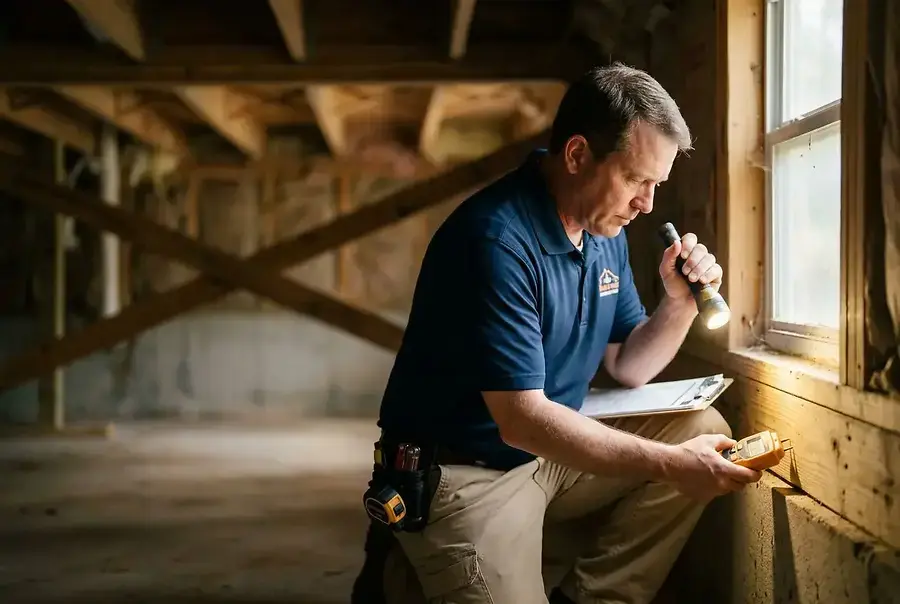
Why Professional Home Inspections Are Critical in CSRA Markets
Whether you're buying or selling property in the Charleston, Savannah, and Aiken region, a professional home inspection is one of the most important steps in the real estate transaction. For buyers, a thorough inspection provides peace of mind and protects your investment by uncovering hidden defects before you commit to a purchase. For sellers, a pre-listing inspection allows you to address issues proactively and avoid last-minute negotiations that could derail a sale.
The CSRA market presents unique challenges due to its climate, age of properties, and environmental factors. Many homes in this region were built decades ago, meaning they may have outdated systems, foundation concerns, or moisture-related issues. A comprehensive inspection tailored to local conditions ensures you understand exactly what you're buying or selling.
Essential Structural and System Components to Evaluate During Home Inspections
Foundation and Structural Integrity
The foundation is the backbone of any home. Inspectors should examine:
- Visible cracks in the foundation, basement, or crawl space
- Signs of settling or shifting in the structure
- Water intrusion or moisture damage
- Proper grading around the foundation to ensure water drainage
In the CSRA, clay-heavy soil can cause foundation movement over time, making this inspection particularly critical.
Roofing and Exterior
Your roof protects everything beneath it. Inspectors evaluate:
- Roof age and remaining lifespan
- Missing, damaged, or curling shingles
- Flashing condition around chimneys and vents
- Gutters and downspouts for proper drainage
- Siding condition and potential water damage
Plumbing Systems
Water-related issues are among the most expensive to repair. Inspectors check:
- Water pressure and flow throughout the home
- Pipe material and condition (galvanized, copper, PVC)
- Signs of leaks or water damage
- Septic system functionality (if applicable)
- Water heater age and condition
Electrical Systems
Safety is paramount with electrical systems. Professional inspectors examine:
- Panel capacity and condition
- Proper grounding and bonding
- GFCI outlets in wet areas
- Outdated wiring that may pose fire hazards
- Overall code compliance
HVAC and Climate Control
Given the CSRA's hot, humid summers, efficient climate control is essential. Inspectors assess:
- Age and condition of heating and cooling systems
- Proper ductwork installation and insulation
- Thermostat functionality
- System maintenance history
Regional Environmental Factors and Weather-Related Concerns Affecting CSRA Properties
Humidity and Moisture Management
The CSRA's subtropical climate means high humidity year-round. This creates specific concerns:
- Mold and mildew growth in attics, crawl spaces, and basements
- Wood rot in structural components and exterior trim
- Moisture damage to insulation and drywall
Inspectors should specifically look for signs of moisture intrusion and recommend proper ventilation solutions.
Termite and Pest Damage
The warm climate makes the CSRA attractive to termites and other wood-destroying insects. A thorough inspection includes:
- Evidence of termite tunnels or damage
- Pest treatment history
- Recommendations for ongoing pest prevention
Hurricane and Storm Preparedness
Living in a coastal region means preparing for severe weather. Inspectors evaluate:
- Roof attachment and wind resistance
- Window and door integrity
- Proper drainage to prevent flooding
- Tree proximity to the home that could cause damage
Soil and Drainage Issues
The clay-based soil common in the CSRA can cause drainage problems. Inspectors assess proper grading, downspout placement, and any signs of standing water or erosion around the property.
Leveraging Inspection Reports to Negotiate Better Terms and Protect Your Investment
Understanding Your Inspection Report
A professional inspection report should be detailed and easy to understand. It typically categorizes findings as:
- Safety concerns requiring immediate attention
- Major repairs needed within the next few years
- Minor issues that are cosmetic or low-priority
- Maintenance recommendations for ongoing care
Take time to review the report thoroughly and ask your inspector to explain any findings you don't understand.
Using Inspection Results in Negotiations
For buyers, inspection findings provide leverage in negotiations. You can:
- Request the seller make repairs before closing
- Ask for a price reduction to cover repair costs
- Request a credit toward closing costs
- Negotiate an extended closing timeline to arrange repairs
For sellers, addressing issues before listing prevents surprises during buyer inspections and strengthens your negotiating position.
Planning for Future Maintenance
Use your inspection report as a roadmap for home maintenance. Prioritize safety issues immediately, then budget for major repairs over the next few years. Regular maintenance based on inspection recommendations can prevent small problems from becoming expensive disasters.
Building Your Home Maintenance File
Keep your inspection report, along with all repair receipts and maintenance records. This documentation:
- Proves you've maintained the property properly
- Helps future buyers understand the home's condition
- Supports insurance claims if needed
- Provides a baseline for comparing future inspections
A comprehensive home inspection is an investment in your peace of mind and financial security. Whether you're buying or selling in the CSRA, working with a qualified professional inspector who understands local conditions ensures you make informed decisions. By understanding what inspectors evaluate, recognizing regional concerns, and using inspection reports strategically, you'll navigate the real estate market with confidence and protect your investment for years to come.
