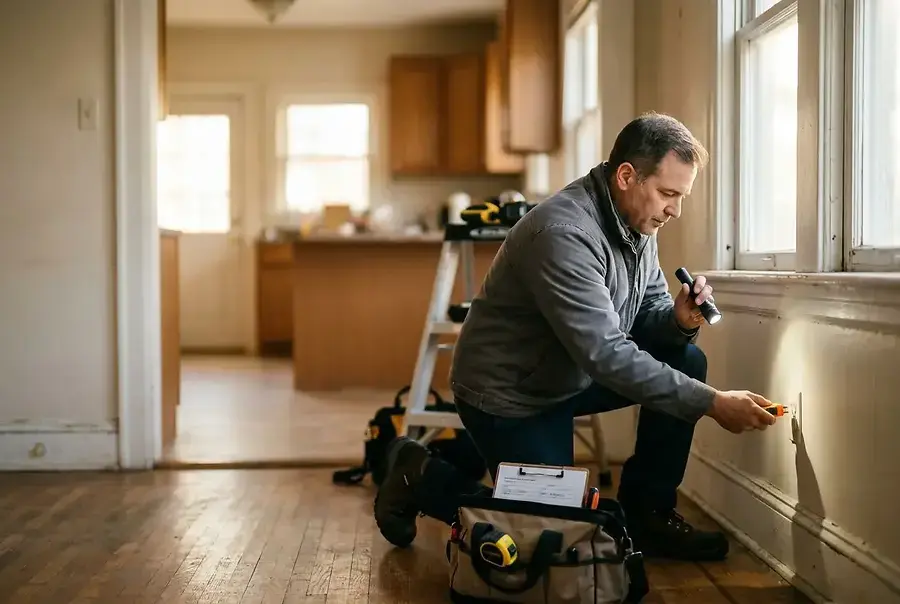
Why Home Inspections Matter in Flushing's Competitive Market
Purchasing a home in Flushing is one of the most significant financial decisions you'll make. With the competitive real estate market in this vibrant Queens neighborhood, it's easy to get caught up in the excitement and overlook critical details. A professional home inspection is your safeguard against inheriting expensive problems and hidden defects that could drain your finances for years to come.
Home inspections provide an objective, detailed assessment of your potential property's condition. In Flushing, where many homes were built decades ago, inspections become even more crucial. They reveal structural issues, aging systems, and code violations that might not be apparent during a casual walkthrough. By investing in a thorough inspection, you're protecting your investment and gaining valuable negotiating power.
Key Areas Inspectors Examine in Older Flushing Homes
Structural Integrity and Foundation
Inspectors carefully examine the foundation for cracks, settling, and water damage. In Flushing's older homes, foundation issues are common due to age and soil conditions. They'll check basement walls, crawl spaces, and the overall structural stability of the building. A compromised foundation can cost tens of thousands of dollars to repair, making this one of the most critical inspection areas.
Roofing and Exterior
The roof is your home's first line of defense against the elements. Inspectors assess shingle condition, flashing integrity, gutters, and downspouts. They'll look for signs of leaks, missing shingles, and improper ventilation. Roof replacement can be one of the most expensive home repairs, so understanding its current condition is essential. The exterior walls, siding, windows, and doors are also evaluated for water intrusion and weatherproofing issues.
Plumbing Systems
Older Flushing homes often have aging plumbing that may include outdated materials like galvanized pipes or cast iron. Inspectors test water pressure, check for leaks, examine the water heater condition, and assess the main sewer line. They'll identify:
- Corroded or deteriorating pipes
- Inadequate water pressure
- Slow drains or backups
- Water heater age and functionality
- Septic system issues (if applicable)
Electrical Systems
Electrical safety is paramount. Inspectors examine the panel, wiring, outlets, and switches for code compliance and safety hazards. Outdated electrical systems or improper installations pose serious fire and shock risks. They'll check for:
- Adequate grounding and bonding
- Proper circuit breaker operation
- Outdated knob-and-tube wiring
- Insufficient outlet coverage
- GFCI protection in wet areas
HVAC and Ventilation
Heating, ventilation, and air conditioning systems are evaluated for age, efficiency, and proper operation. Inspectors check furnaces, air conditioners, ductwork, and ventilation systems. In Flushing's variable climate, a properly functioning HVAC system is essential for comfort and energy efficiency.
Insulation and Moisture Control
Proper insulation affects energy costs significantly. Inspectors assess attic insulation levels, wall insulation, and moisture barriers. They look for signs of water damage, mold, and inadequate ventilation that could lead to future problems.
Red Flags to Watch For and How to Negotiate After Inspection Results
Major Red Flags
Certain inspection findings should raise serious concerns:
- Foundation cracks or settling – Indicates structural problems requiring professional evaluation
- Active water damage or mold – Suggests moisture intrusion and potential health hazards
- Outdated electrical systems – Fire hazard requiring complete rewiring
- Failing roof – Imminent replacement needed, costing $8,000-$15,000+
- Plumbing issues – Corroded pipes or main line problems require expensive repairs
- HVAC system failure – Replacement costs $5,000-$10,000
Negotiation Strategies
Once you have inspection results, you have several options:
Request repairs: Ask the seller to fix identified issues before closing. This is most effective for significant problems like roof repairs or electrical work.
Request credits: Negotiate a price reduction to cover repair costs yourself. This gives you control over contractor selection and quality.
Walk away: If inspection reveals extensive problems, you may decide the property isn't worth the investment. Your inspection contingency protects this right.
Compromise: Negotiate a middle ground where the seller addresses major issues while you handle minor repairs.
Working with Your Inspector
Choose a certified, experienced inspector familiar with Flushing properties. Ask them to explain findings in detail and provide written reports with photos. Don't skip the walk-through inspection – attend and ask questions. Understanding the issues helps you make informed decisions and negotiate effectively.
Making Informed Decisions with Professional Inspection Insights
A home inspection is an investment in peace of mind. In Flushing's competitive market, it levels the playing field and provides crucial information for decision-making. Whether you're buying a charming older home or a newer property, a thorough inspection protects your financial interests.
Remember that no home is perfect. Inspections identify issues so you can address them strategically. Some problems are deal-breakers, while others are manageable maintenance items. With professional inspection insights and proper negotiation, you'll make an informed decision that protects your Flushing property investment for years to come.
Take your time, ask questions, and don't rush the inspection process. Your future self will thank you for the diligence you invest today.