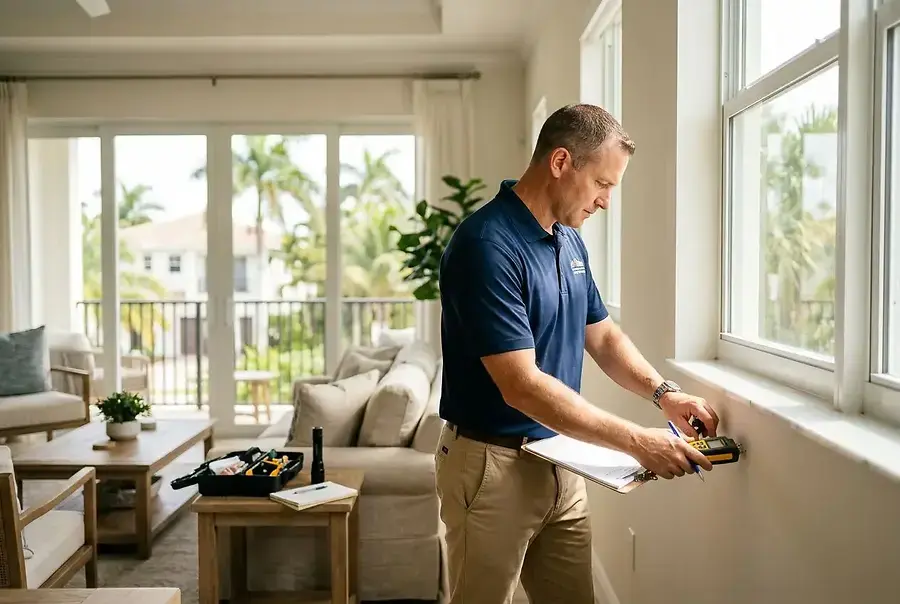
Why Home Inspections Matter in Fort Lauderdale's Real Estate Market
Purchasing a home in Fort Lauderdale is one of the most significant investments you'll make in your lifetime. With the region's unique climate challenges, aging properties, and competitive real estate market, a thorough home inspection is not just recommended—it's essential. A professional home inspection provides you with an objective assessment of your potential property's condition, helping you avoid costly surprises and negotiate better terms with sellers.
Fort Lauderdale's tropical climate, salt air, and hurricane exposure create specific wear patterns that differ from other regions. Understanding what inspectors look for can help you make informed decisions and protect your investment for years to come.
Key Areas to Inspect in Fort Lauderdale Homes: Climate and Structural Considerations
Roof and Hurricane Protection
The roof is your home's first line of defense against Fort Lauderdale's intense weather. Inspectors will examine:
- Shingle condition and age (typically 15-20 years is the lifespan)
- Proper installation and secure fastening
- Flashing around chimneys, vents, and skylights
- Hurricane straps and reinforcement systems
- Soffit and fascia integrity
Why it matters: A compromised roof can lead to water intrusion, mold growth, and structural damage—all expensive problems in Florida's humid environment.
Foundation and Structural Integrity
Fort Lauderdale's sandy soil and high water table present unique foundation challenges. Inspectors will assess:
- Visible cracks in concrete or block foundation
- Signs of settling or shifting
- Water damage or moisture intrusion
- Proper grading and drainage around the foundation
- Pier and beam systems in elevated homes
Foundation issues can be costly to repair, making this inspection area particularly critical for Fort Lauderdale properties.
Plumbing and Water Systems
The combination of salt air and high humidity accelerates corrosion in plumbing systems. Key inspection points include:
- Pipe material and condition (copper, PVC, or galvanized)
- Water pressure and flow rates
- Hot water heater age and functionality
- Sump pump operation (essential for flood-prone areas)
- Septic system condition (if applicable)
- Evidence of leaks or water damage
Electrical Systems
Older Fort Lauderdale homes may have outdated electrical systems that don't meet current safety codes. Inspectors evaluate:
- Panel capacity and breaker conditions
- Proper grounding and bonding
- GFCI outlets in wet areas
- Aluminum wiring (a safety concern in older homes)
- Overall system safety and code compliance
HVAC and Cooling Systems
Air conditioning is non-negotiable in Fort Lauderdale. Your inspector will check:
- Unit age and cooling capacity
- Proper refrigerant levels
- Ductwork condition and sealing
- Thermostat functionality
- Maintenance records and service history
Mold and Moisture Control
Fort Lauderdale's humidity creates ideal conditions for mold growth. Inspectors will look for:
- Visible mold or mildew in attics, crawlspaces, and bathrooms
- Water stains indicating past leaks
- Proper ventilation in bathrooms and kitchens
- Moisture barriers and insulation integrity
- Signs of previous water damage or flooding
Windows, Doors, and Exterior
The exterior envelope protects against salt spray and storm damage. Inspectors examine:
- Impact-resistant windows and doors
- Caulking and weatherstripping condition
- Exterior paint and cladding integrity
- Deck and patio structural soundness
- Pool and spa equipment (if present)
Working with Professional Inspectors and Understanding Your Report
Choosing the Right Inspector
Select a licensed, insured inspector with specific experience in Fort Lauderdale properties. Look for credentials from the American Society of Home Inspectors (ASHI) or similar organizations. Ask about their experience with:
- Older homes and historic properties
- Flood-prone properties
- Salt-air corrosion issues
- Hurricane-resistant construction
What to Expect in Your Inspection Report
A comprehensive inspection report should include:
- Detailed findings organized by system and area
- Photographs documenting issues and conditions
- Severity ratings (critical, major, minor)
- Repair estimates or recommendations for further evaluation
- Maintenance suggestions for ongoing property care
Take time to review the report carefully and ask your inspector questions about any items you don't understand. This document becomes your negotiating tool with the seller.
Using Inspection Results in Negotiations
Armed with your inspection report, you have several options:
- Request repairs: Ask the seller to fix critical issues before closing
- Negotiate credits: Request a price reduction to cover repair costs
- Walk away: If major issues exceed your comfort level, you can terminate the purchase
- Plan ahead: Budget for repairs you're willing to handle yourself
Using Inspection Findings to Make Confident Purchasing Decisions
A home inspection is your opportunity to make an informed decision about one of life's biggest purchases. In Fort Lauderdale's unique climate and real estate environment, understanding your property's condition is invaluable.
Don't view inspection findings as deal-breakers—view them as information. Every home has some issues; the key is knowing what you're getting into and planning accordingly. Work closely with your real estate agent and inspector to prioritize concerns, understand repair costs, and negotiate terms that protect your investment.
Remember: A thorough home inspection is an investment in peace of mind. The few hundred dollars spent on a professional inspection can save you thousands in unexpected repairs and help you make a confident, informed decision about your Fort Lauderdale home purchase.