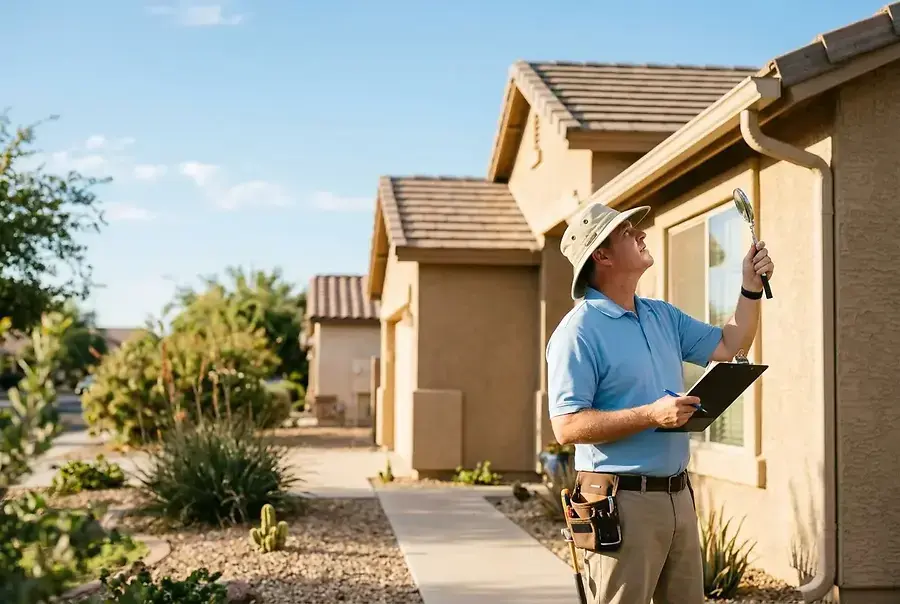
Why Home Inspections Matter in Gilbert's Competitive Market
Purchasing a home in Gilbert, Arizona is one of the most significant financial decisions you'll make. With the real estate market remaining highly competitive, many buyers feel pressured to make quick offers without thoroughly evaluating the property's condition. A comprehensive home inspection is your safeguard against costly surprises and hidden defects that could drain your finances after closing.
Home inspections provide an objective assessment of a property's structural integrity, mechanical systems, and overall condition. In Gilbert's desert climate, where extreme heat and dust can accelerate wear and tear on homes, a professional inspection becomes even more critical. By understanding what inspectors look for, you can make informed decisions and negotiate repairs or credits before finalizing your purchase.
Key Areas Inspectors Evaluate in Arizona Homes
Structural Components and Foundation
Arizona's expansive soil and temperature fluctuations can cause foundation issues over time. Professional inspectors examine the foundation for cracks, settling, and signs of water damage. They assess the structural integrity of walls, ceilings, and floors, looking for any evidence of shifting or deterioration that could indicate serious problems.
- Foundation cracks: Small hairline cracks are common, but larger cracks may signal structural concerns
- Exterior walls: Inspectors check for proper grading and drainage around the foundation
- Roof structure: The roof's framing and decking are evaluated for strength and proper installation
Roofing and Exterior Systems
Gilbert's intense sun exposure can significantly impact roofing materials. Inspectors evaluate the roof's age, condition, and remaining lifespan. They examine shingles for curling, missing pieces, or granule loss, and check flashing around chimneys and vents for proper sealing.
The exterior assessment also includes siding, windows, doors, and gutters. Proper drainage is essential in Arizona, where monsoon season can bring heavy rains. Inspectors verify that gutters are clean, properly pitched, and effectively directing water away from the foundation.
HVAC Systems and Air Conditioning
In Arizona, a functioning air conditioning system is non-negotiable. Inspectors test the AC unit's cooling capacity, check refrigerant levels, and examine the thermostat for proper operation. They also evaluate the heating system, even though it's used minimally in Gilbert's climate.
The inspector will assess the age of the HVAC system and estimate its remaining useful life. A unit nearing the end of its lifespan may require replacement soon, which is an important consideration for your budget.
Plumbing and Water Systems
Inspectors check all visible plumbing, including pipes, fixtures, and water pressure. They look for signs of leaks, corrosion, or improper installation. In Arizona, where hard water is common, inspectors assess whether a water softener is present and functioning properly.
- Water heater: Age, condition, and proper venting are evaluated
- Fixtures: All sinks, toilets, showers, and tubs are tested for proper operation
- Drainage: Inspectors verify that drains flow properly and check for signs of blockages
Electrical Systems
A thorough electrical inspection ensures the home's wiring is safe and up to code. Inspectors examine the main electrical panel, circuit breakers, and visible wiring throughout the home. They test outlets and switches to verify proper grounding and identify any potential hazards.
Older homes may have outdated electrical systems that don't meet current safety standards. This is particularly important to identify, as electrical issues can pose serious fire and safety risks.
Interior Conditions and Appliances
Inspectors evaluate the condition of walls, ceilings, and flooring throughout the home. They check for water stains, mold, or pest damage. Built-in appliances are tested for proper operation, and the inspector will note any that are nearing the end of their lifespan.
Red Flags and How to Address Inspection Issues
Major Structural Problems
Significant foundation cracks, severe settling, or evidence of water intrusion are serious red flags. These issues can be expensive to repair and may indicate deeper problems. If discovered, request a specialized foundation inspection before proceeding with the purchase.
Roof and Water Damage
A roof nearing the end of its life or showing signs of damage requires immediate attention. Water stains on ceilings or walls indicate past or present leaks. Request a roof inspection from a licensed contractor to determine repair costs and timeline for replacement.
HVAC System Failures
An air conditioning system that doesn't cool properly or is over 15 years old may need replacement soon. Get a detailed estimate from an HVAC contractor. You can negotiate with the seller to repair, replace, or provide a credit toward the cost.
Plumbing and Water Quality Issues
Slow drains, low water pressure, or signs of leaks require professional plumbing evaluation. If the home has a septic system, request a professional inspection. Hard water issues can often be resolved with a water softener, which is a relatively affordable solution.
Electrical Hazards
Outdated wiring, missing ground wires, or improper installation are safety concerns. Request a licensed electrician's assessment and estimate for bringing the system up to code. This is not an area to compromise on, as electrical issues pose serious risks.
Negotiating Repairs and Credits
Once you receive the inspection report, you have several options. You can request that the seller make repairs before closing, ask for a credit to cover repair costs, or renegotiate the purchase price. In Gilbert's competitive market, sellers may be less willing to make repairs, so requesting credits is often more successful.
"A home inspection is an investment in peace of mind. The cost of an inspection is minimal compared to the potential savings from identifying major issues before purchase."
Making Informed Decisions with Inspection Results
The inspection report is a valuable tool for making your final purchasing decision. Review the report carefully and ask your inspector to explain any concerns. Prioritize issues based on safety, functionality, and cost to repair.
Consider the home's age and condition relative to the asking price. Some issues are expected in older homes, while others may indicate poor maintenance. Use the inspection results to make a final decision that aligns with your budget, timeline, and comfort level.
Remember that no home is perfect. The goal of a home inspection is to identify issues so you can make an informed decision and plan for future maintenance and repairs. By understanding what inspectors evaluate and knowing what red flags to watch for, you're taking an important step to protect your residential investment in Gilbert, Arizona.