Why Home Inspections Matter in League City's Market
Purchasing a home is one of the most significant financial decisions you'll make. In League City's competitive real estate market, a thorough home inspection is your best defense against costly surprises after closing. A professional home inspection provides an objective assessment of a property's condition, identifying potential issues that could affect your safety, comfort, and investment value.
Many buyers skip or rush through inspections to close faster, but this approach can lead to expensive repairs and regret. A comprehensive inspection typically costs between $300-$500 and can save you thousands in unexpected repairs. Whether you're a first-time buyer or an experienced investor, understanding what inspectors evaluate helps you make informed decisions and negotiate effectively.
Understanding the Home Inspection Process and Timeline
What to Expect During an Inspection
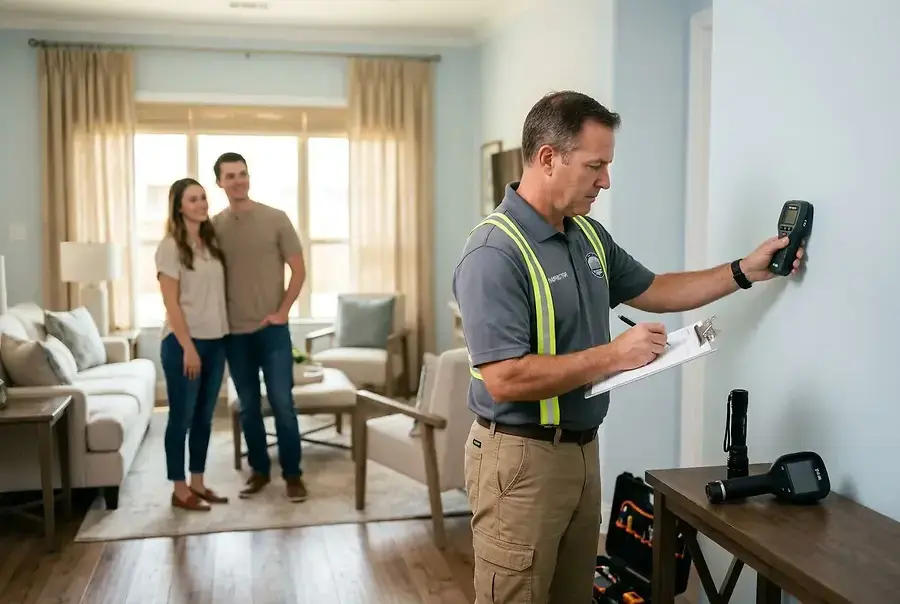
A standard home inspection typically lasts 2-4 hours depending on the property's size and age. The inspector will systematically evaluate both the interior and exterior of the home, documenting findings with photographs and detailed notes. You should always attend the inspection to ask questions and gain firsthand knowledge of the property's condition.
The Inspection Report
After the inspection, you'll receive a detailed report categorizing issues by severity:
- Critical Issues: Safety hazards or major system failures requiring immediate attention
- Major Issues: Significant problems that need repair but aren't immediately dangerous
- Minor Issues: Small defects or maintenance items that don't affect functionality
- Recommendations: Suggested improvements or further evaluations by specialists
This report becomes your negotiating tool. Use it to request repairs, credits, or price reductions from the seller.
Key Areas Inspectors Focus On: From Foundations to Roofs
Structural Foundation and Framing
The foundation is your home's backbone. Inspectors examine:
- Cracks in concrete or brick
- Signs of water damage or moisture intrusion
- Settling or shifting of the structure
- Proper grading around the foundation
Foundation issues are expensive to repair and can indicate serious problems. League City's humid climate and proximity to water make foundation inspection particularly important.
Roofing System
Your roof protects everything beneath it. Inspectors evaluate:
- Shingle condition and remaining lifespan
- Flashing around chimneys and vents
- Gutters and downspouts
- Signs of leaks or water damage in the attic
- Proper ventilation
A roof replacement can cost $8,000-$15,000 or more, making this assessment critical for your budget planning.
Plumbing and Water Systems
Water-related issues are common in older homes. Inspectors check:
- Water pressure and flow
- Pipe material and condition (galvanized, copper, PVC)
- Presence of leaks under sinks and around toilets
- Water heater age and functionality
- Septic system or sewer line condition
- Drainage around the property
Corroded pipes or failing water heaters can lead to sudden, expensive failures.
Electrical System
Electrical safety is paramount. Inspectors examine:
- Panel capacity and condition
- Proper grounding and bonding
- GFCI outlets in wet areas
- Outdated wiring (knob-and-tube, aluminum)
- Adequate outlets and circuits
Outdated electrical systems may require upgrades to meet current safety codes.
HVAC Systems
Heating and cooling systems are essential in League City's climate. Inspectors assess:
- Age and condition of furnace and air conditioning units
- Proper airflow and ductwork
- Thermostat functionality
- Maintenance records
HVAC replacement can cost $5,000-$10,000, so understanding the system's remaining lifespan is crucial.
Interior Components
Inspectors also evaluate:
- Walls, ceilings, and floors for damage or settling
- Windows and doors for proper operation and sealing
- Insulation levels in attic and walls
- Kitchen and bathroom fixtures
- Appliances included in the sale
- Evidence of pests or mold
Exterior and Grounds
The home's exterior protects the interior. Inspectors examine:
- Siding condition and damage
- Deck or porch safety and structural integrity
- Driveway and walkway condition
- Landscaping and drainage
- Fencing and gates
Using Inspection Results to Make Confident Purchase Decisions
Interpreting Your Report
Don't panic if the inspection reveals issues—most homes have some defects. Focus on critical and major items that affect safety, functionality, or value. Minor cosmetic issues are typically the buyer's responsibility after closing.
Negotiation Strategies
Armed with your inspection report, you have several options:
- Request repairs: Ask the seller to fix critical issues before closing
- Negotiate credits: Receive a credit toward closing costs to handle repairs yourself
- Request price reduction: Lower the purchase price to account for needed repairs
- Walk away: If issues are too severe or costly, you may have grounds to terminate the contract
Follow-Up Inspections
For significant issues, consider hiring specialists:
- Structural engineer for foundation concerns
- Roofer for roof damage
- Plumber for pipe or water heater issues
- Electrician for electrical problems
- Mold inspector if moisture issues are present
Specialist reports provide detailed cost estimates and repair recommendations.
Moving Forward with Confidence
A thorough home inspection is an investment in your peace of mind. By understanding what inspectors evaluate and how to use their findings, you're equipped to make confident decisions that protect your investment. Whether you negotiate repairs, credits, or price adjustments, the inspection report empowers you to close on a home you truly understand.
Remember: A home inspection isn't about finding reasons to back out—it's about making an informed decision and planning for your home's future maintenance and repairs.