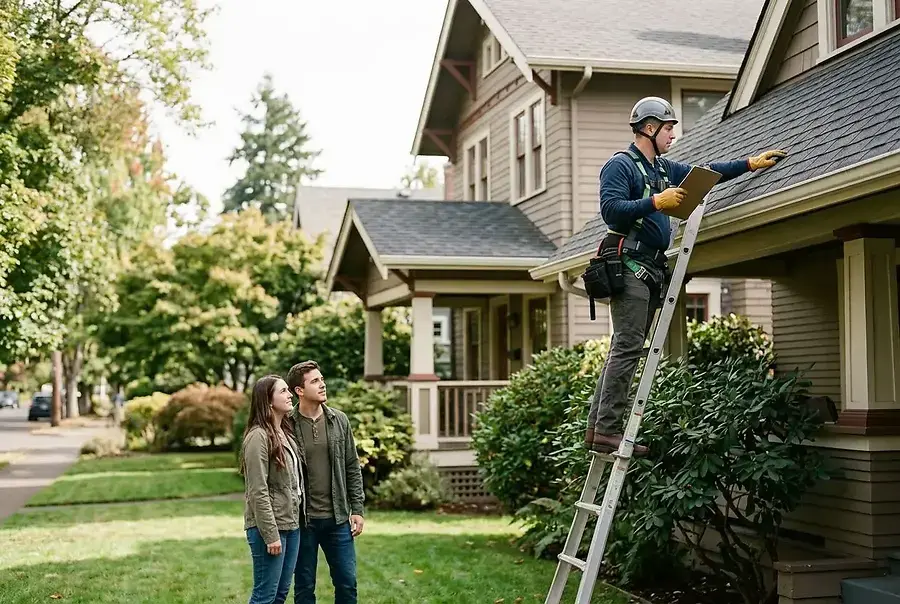
Understanding the Home Inspection Process
A home inspection is one of the most critical steps in the homebuying journey. This professional evaluation examines the property's structural integrity, systems, and overall condition. In Portland and South Portland, where homes range from historic Victorian properties to modern constructions, understanding what inspectors look for can save you thousands of dollars and prevent costly surprises after closing.
The typical home inspection takes two to four hours and involves a licensed inspector examining both the interior and exterior of the property. As a buyer, you have the right to be present during this inspection—and you should be. This gives you the opportunity to ask questions and understand any concerns the inspector identifies.
What to Expect During the Inspection
Your inspector will provide a detailed written report documenting their findings. This report becomes your roadmap for negotiations and future maintenance planning. The inspector will test systems, check for visible damage, and assess the overall condition of major components like the roof, foundation, and mechanical systems.
Critical Areas to Evaluate During Your Inspection
Structural Components
The foundation and framing are the backbone of any home. Inspectors will look for:
- Cracks in the foundation or basement walls
- Signs of water intrusion or moisture damage
- Settling or shifting of the structure
- Deterioration of wooden support beams
In Maine's climate, freeze-thaw cycles can cause significant foundation damage over time, making this inspection particularly important for Portland-area homes.
Roofing and Exterior
The roof protects your entire investment. Inspectors evaluate:
- Shingle condition and remaining lifespan
- Flashing around chimneys and vents
- Gutters and downspout functionality
- Siding integrity and paint condition
- Window and door seals
Roof replacement can cost $8,000 to $15,000 or more, so understanding its condition is essential for budgeting.
Mechanical Systems
Your heating, cooling, plumbing, and electrical systems require thorough evaluation:
- Furnace or boiler age and efficiency
- Water heater condition and capacity
- Electrical panel safety and capacity
- Plumbing for leaks, corrosion, or outdated materials
- HVAC system functionality
Interior Conditions
Inspectors examine every room for:
- Water damage and mold indicators
- Insulation adequacy
- Flooring condition
- Ceiling and wall integrity
- Appliance functionality
Common Issues Found in Portland and South Portland Homes
Moisture and Water Damage
Maine's humid climate and heavy precipitation make moisture issues the most common problem in local homes. Basements are particularly vulnerable to water intrusion, especially in older properties. Look for:
- Efflorescence (white mineral deposits on basement walls)
- Musty odors indicating mold
- Staining or discoloration on walls and ceilings
Aging Heating Systems
Many Portland homes rely on oil heating systems that are decades old. These systems require regular maintenance and eventual replacement. During your inspection, verify:
- When the system was last serviced
- The age of the furnace or boiler
- Presence of a working thermostat
Outdated Electrical Systems
Homes built before the 1980s may have aluminum wiring or insufficient electrical capacity for modern appliances. This is a safety concern that requires professional evaluation and potential upgrades.
Roof Age and Condition
New England weather is harsh on roofs. Many homes in the area have roofs nearing the end of their lifespan. Ask your inspector for a specific estimate of remaining roof life.
Plumbing Concerns
Older homes may have galvanized pipes that corrode over time, reducing water pressure and quality. Some properties still have cast iron drain lines that deteriorate from the inside out.
How to Use Inspection Results in Your Offer Negotiation
Prioritize Your Findings
Not all inspection issues are created equal. Categorize findings into three groups:
- Critical: Safety hazards or major system failures requiring immediate attention
- Important: Issues that will need repair within a few years
- Minor: Cosmetic or low-priority items
Get Repair Estimates
Before negotiating, obtain written estimates from licensed contractors for critical and important repairs. This gives you concrete numbers to present to the seller. Never rely on rough estimates—actual quotes provide leverage in negotiations.
Negotiation Strategies
You have several options when inspection issues arise:
- Request repairs: Ask the seller to fix issues before closing
- Request credits: Have the seller provide funds at closing to cover repairs you'll handle
- Request price reduction: Negotiate a lower purchase price to account for needed work
- Walk away: If issues are too extensive, you may choose to terminate the purchase
In Portland and South Portland's competitive market, being strategic about which issues you prioritize can make the difference between a successful negotiation and a failed deal.
Documentation is Key
Keep all inspection reports, contractor estimates, and correspondence organized. This documentation protects you during negotiations and provides a valuable reference for future maintenance planning.
"A thorough home inspection is your best defense against unexpected expenses and safety issues. Take it seriously and use the results strategically in your negotiations."
Final Thoughts
The home inspection process might seem daunting, but it's an investment in your peace of mind and financial security. By understanding what inspectors evaluate, knowing common issues in your area, and using results strategically, you'll make a more informed decision about one of life's biggest purchases. Whether you're buying a charming historic home or a modern property in Portland or South Portland, a comprehensive inspection ensures you're making the right choice for your family and your future.