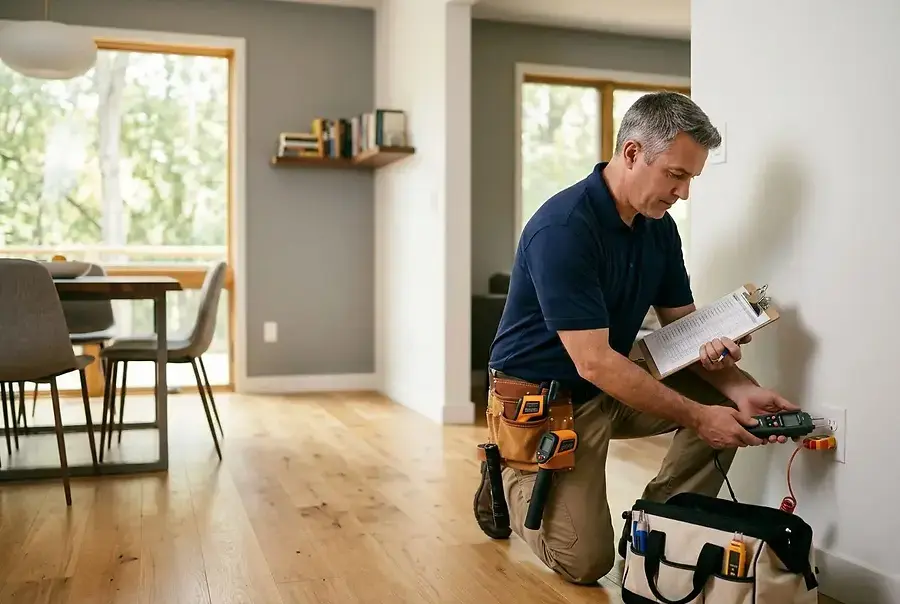
Introduction: Why Home Inspections Matter for Residential Purchases
Purchasing a home is one of the most significant financial decisions you'll make in your lifetime. Before committing to such a substantial investment, a thorough home inspection is absolutely essential. A professional home inspection provides you with a detailed understanding of the property's condition, helping you identify potential issues that could cost thousands of dollars in repairs down the road.
Many first-time homebuyers underestimate the importance of inspections, viewing them as an unnecessary expense. However, the small cost of an inspection can save you from inheriting major problems like foundation damage, faulty electrical systems, or plumbing issues. This checklist will guide you through the critical areas to evaluate during your home inspection process.
Structural and Foundation Elements to Evaluate
Foundation and Basement Assessment
The foundation is the backbone of any home. During your inspection, look for:
- Cracks in the foundation walls – Small hairline cracks are common, but larger cracks may indicate serious structural problems
- Water damage or moisture – Signs of water intrusion, efflorescence (white powder deposits), or mold growth
- Uneven floors – Walk through the home and notice if floors slope or feel uneven
- Basement ventilation – Ensure proper drainage systems and sump pumps are functioning correctly
Roof and Exterior Structure
The roof protects your entire home from the elements. Inspect:
- Roof condition and age – Most roofs last 20-25 years; older roofs may need replacement soon
- Missing or damaged shingles – Look for curling, buckling, or missing shingles
- Gutters and downspouts – Ensure they're properly attached and directing water away from the foundation
- Flashing around chimneys and vents – Check for gaps or deterioration that could allow water leaks
- Exterior walls and siding – Look for rot, damage, or areas needing repainting or replacement
Windows and Doors
Windows and doors are critical for energy efficiency and security. Evaluate:
- Seal integrity – Check for drafts, condensation between panes, or broken seals
- Functionality – Ensure all windows and doors open and close smoothly
- Weatherstripping – Look for deteriorated or missing weatherstripping
- Frame condition – Check for rot, especially in wooden frames
Systems and Utilities: HVAC, Plumbing, and Electrical Assessment
Heating, Ventilation, and Air Conditioning (HVAC)
A properly functioning HVAC system is crucial for comfort and energy efficiency. During inspection, verify:
- System age and type – Older systems may be less efficient or require replacement soon
- Heating capability – Test the furnace or heat pump to ensure it operates properly
- Air conditioning performance – Check that the AC unit cools effectively
- Ductwork condition – Look for leaks, disconnections, or inadequate insulation
- Thermostat functionality – Ensure it maintains consistent temperatures
Plumbing System Inspection
Water-related issues can be expensive and damaging. Examine:
- Water pressure and flow – Test multiple fixtures simultaneously to check for adequate pressure
- Pipe material and condition – Older homes may have outdated piping that needs replacement
- Signs of leaks – Look for water stains, mold, or corrosion under sinks and around fixtures
- Water heater age and condition – Most water heaters last 8-12 years
- Drainage systems – Ensure drains flow properly and there are no blockages
- Septic or sewer connection – Verify proper functioning if applicable
Electrical System Evaluation
Electrical problems pose safety risks and can be costly to repair. Check:
- Panel condition and capacity – Ensure the electrical panel is properly grounded and has adequate capacity for modern usage
- Outlet functionality – Test outlets throughout the home for proper grounding and functionality
- Wiring type – Older homes may have outdated or unsafe wiring like knob-and-tube or aluminum wiring
- GFCI protection – Verify that bathrooms, kitchens, and outdoor outlets have ground fault circuit interrupter protection
- Lighting and switches – Ensure all lights and switches work properly
Final Walkthrough and Next Steps After Inspection
Conducting Your Final Walkthrough
After the professional inspection, conduct your own walkthrough to verify findings and look for additional concerns:
- Review the inspection report thoroughly – Ask your inspector to explain any issues or concerns
- Take photos and notes – Document any areas of concern for future reference
- Ask questions – Don't hesitate to ask your inspector about anything you don't understand
- Check storage areas – Inspect attics, crawl spaces, and basements for signs of pests or damage
Negotiating and Moving Forward
Use inspection results strategically. If significant issues are discovered, you have several options:
- Request repairs – Ask the seller to fix major issues before closing
- Negotiate a price reduction – Reduce your offer to account for repair costs
- Request a credit at closing – Have funds set aside to cover repairs yourself
- Walk away – If issues are too severe, you can withdraw your offer
Remember, a home inspection is your opportunity to make an informed decision. Don't skip this critical step in the home-buying process. By thoroughly evaluating the structural elements, systems, and utilities of a property, you protect yourself from unexpected expenses and ensure you're making a sound investment in your future home.
Pro Tip: Always hire a licensed, certified home inspector with experience in your area. They'll have the expertise to identify issues that untrained eyes might miss, giving you peace of mind before you sign on the dotted line.