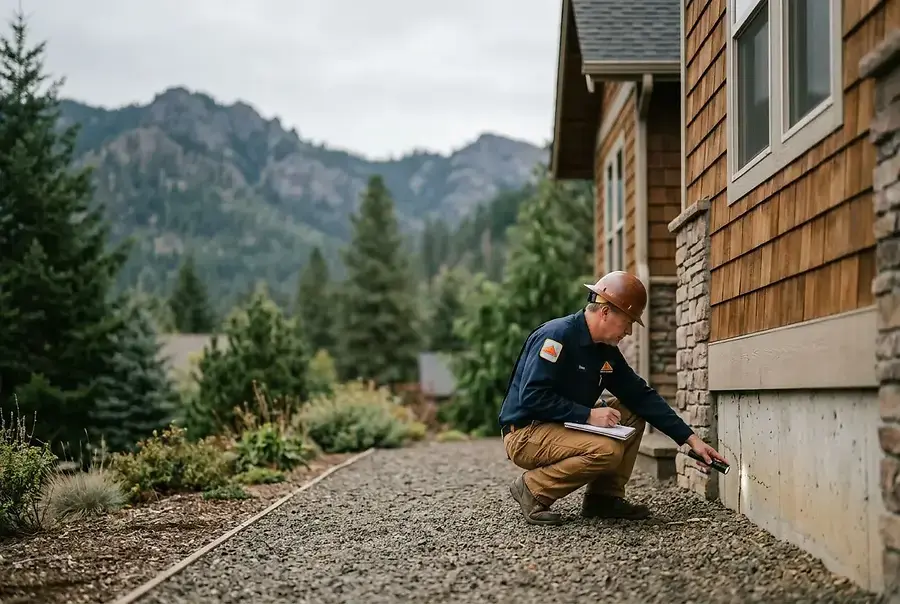
Why Home Inspections Matter in Southern Oregon
Purchasing a home is one of the most significant investments you'll make in your lifetime. In Southern Oregon—a region encompassing Ashland, Medford, Grants Pass, and surrounding communities—home inspections are not just recommended; they're essential. The unique climate, terrain, and building characteristics of this area create specific challenges that standard inspections in other regions might overlook.
A thorough home inspection provides you with a comprehensive understanding of your potential property's condition. It protects your investment, reveals hidden problems before they become expensive repairs, and gives you leverage in negotiations. For Southern Oregon buyers, understanding what inspectors look for can mean the difference between a sound investment and a costly mistake.
Key Areas Home Inspectors Evaluate in Regional Properties
Foundation and Structural Integrity
Southern Oregon's varied terrain means foundations face unique stresses. Inspectors will examine:
- Cracks in concrete or brick foundations
- Signs of settling or shifting
- Water damage or moisture intrusion
- Proper drainage around the foundation
- Basement or crawl space conditions
The region's seasonal rainfall and occasional seismic activity make foundation assessment particularly critical.
Roofing and Weather Protection
With Southern Oregon's rainy winters and occasional heavy storms, your roof is your first line of defense. Inspectors evaluate:
- Roof age and remaining lifespan
- Shingle condition and proper installation
- Flashing around chimneys and vents
- Gutter functionality and drainage
- Attic ventilation and insulation
A compromised roof can lead to water damage throughout the entire home, making this inspection area non-negotiable.
Plumbing Systems
Water-related issues are common in this climate. Inspectors check:
- Water pressure and flow rates
- Pipe material and condition (older homes may have outdated materials)
- Septic system functionality (common in rural areas)
- Water heater age and operation
- Signs of leaks or water damage
Electrical Systems
Safety is paramount. Professional inspectors verify:
- Panel capacity and condition
- Proper grounding and bonding
- GFCI outlets in wet areas
- Outdated wiring that may need replacement
- Adequate lighting and outlet placement
HVAC and Climate Control
Southern Oregon's temperature fluctuations require reliable heating and cooling systems. Inspectors assess:
- Furnace or heat pump age and efficiency
- Air conditioning functionality
- Ductwork condition and sealing
- Thermostat operation
- Proper ventilation throughout the home
Red Flags Specific to Southern Oregon's Climate and Terrain
Water Damage and Moisture Issues
This is the most common problem in Southern Oregon homes. The region's wet climate creates ideal conditions for moisture problems. Watch for:
- Staining on ceilings or walls indicating roof leaks
- Musty odors suggesting mold or mildew
- Soft spots in flooring or walls
- Efflorescence (white powder) on basement walls
- Evidence of previous water damage repairs
Don't ignore these signs—water damage can compromise structural integrity and create health hazards.
Soil Stability and Landslide Risk
Southern Oregon's mountainous terrain means some properties sit on unstable slopes. Your inspector should note:
- Visible cracks in the foundation or exterior walls
- Doors or windows that stick or won't close properly
- Retaining walls showing signs of failure
- Drainage issues on sloped properties
- Previous landslide activity in the area
Consider hiring a geotechnical engineer for properties on steep slopes.
Radon Exposure
Radon, a naturally occurring radioactive gas, is a concern in parts of Southern Oregon. Request radon testing as part of your inspection. This invisible gas can accumulate in basements and crawl spaces, posing serious health risks over time.
Older Building Materials
Many Southern Oregon homes were built decades ago and may contain:
- Asbestos in insulation, roofing, or floor tiles
- Lead-based paint (homes built before 1978)
- Outdated electrical wiring
- Galvanized plumbing prone to corrosion
These materials require professional remediation and can significantly impact your purchase decision.
Wildfire Risk and Defensible Space
Southern Oregon's fire season is a real concern. During your inspection, note:
- Proximity to dense vegetation or forests
- Roof material fire resistance
- Gutters and eaves clear of debris
- Adequate spacing between trees and structures
- Access for emergency vehicles
While the inspector may not assess wildfire risk directly, understanding your property's exposure is crucial for insurance and safety.
Making Informed Decisions with Inspection Reports
Once you receive your inspection report, take time to review it thoroughly. Don't skip the details—every finding matters. Use the report as a negotiation tool. Minor issues might be acceptable, but major problems like foundation damage, roof replacement needs, or extensive water damage should prompt serious discussions with the seller.
Consider hiring specialists for specific concerns. A structural engineer can evaluate foundation issues, while a mold inspector can assess moisture problems. These additional inspections cost money upfront but can save you thousands in unexpected repairs.
Remember, a home inspection is your opportunity to make an informed decision. In Southern Oregon's unique environment, understanding your property's condition isn't just smart—it's essential. Take advantage of this critical step in the home-buying process, and you'll move forward with confidence.