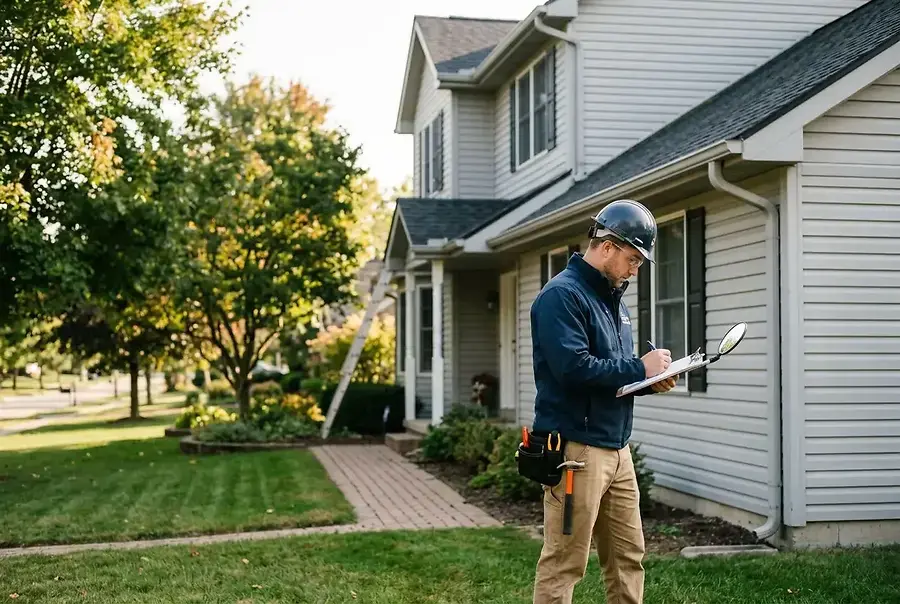
Introduction: Why Home Inspections Matter in Walkerton's Market
Purchasing a home is one of the most significant financial decisions you'll make in your lifetime. In Walkerton's competitive real estate market, a thorough home inspection is your best defense against inheriting expensive problems and hidden defects. A professional home inspection provides an objective assessment of your potential property's condition, giving you the knowledge and confidence to move forward with your purchase or renegotiate terms.
Many homebuyers underestimate the importance of inspections, viewing them as an optional expense. However, skipping this crucial step could cost you tens of thousands of dollars in repairs down the road. Whether you're a first-time buyer or an experienced investor, understanding what inspectors look for and what red flags to watch can make all the difference in your home-buying journey.
Key Areas Inspectors Focus On in Walkerton Homes
Structural Integrity and Foundation
The foundation is the backbone of any home. Inspectors carefully examine the basement or crawl space for signs of cracks, water damage, settling, or structural movement. In Walkerton, where soil conditions and weather patterns can affect foundations over time, this inspection is particularly critical. Look for horizontal cracks, bowing walls, or evidence of previous repairs that might indicate ongoing issues.
Roofing and Exterior
Your roof protects everything beneath it, making its condition essential. Inspectors assess:
- Shingle condition and age
- Flashing around chimneys and vents
- Gutters and downspouts
- Siding and exterior walls for damage or deterioration
- Windows and doors for proper sealing
A roof nearing the end of its lifespan may require replacement within a few years, representing a substantial expense.
Plumbing Systems
Inspectors test water pressure, check for leaks, examine pipe materials, and assess the water heater's condition and age. They'll also verify that the home has adequate drainage and that the septic system (if applicable) is functioning properly. Outdated plumbing or corroded pipes can lead to water damage and costly repairs.
Electrical Systems
A qualified inspector will evaluate the electrical panel, check for proper grounding, test outlets, and identify any outdated wiring. Faulty electrical systems pose serious safety risks and may require upgrades to meet current building codes. This is not an area where you want to discover problems after purchase.
HVAC Systems
Heating, ventilation, and air conditioning systems are inspected for proper operation, age, and maintenance history. An aging furnace or air conditioning unit may fail soon after purchase, requiring immediate replacement. Inspectors will also check ductwork for leaks and proper insulation.
Insulation and Ventilation
Proper insulation and ventilation affect energy efficiency and prevent moisture problems. Inspectors look for adequate attic insulation, proper ventilation to prevent mold growth, and signs of moisture intrusion throughout the home.
Red Flags to Watch For During Your Inspection
Water Damage and Moisture Issues
Water stains on ceilings, walls, or in the basement are serious warning signs. Moisture problems can lead to mold growth, structural damage, and health concerns. Ask your inspector about the source of any water damage and whether it's an ongoing issue or a one-time event.
Pest Infestation
Evidence of termites, carpenter ants, or rodents should raise immediate concerns. These pests can cause significant structural damage over time. If detected, you'll need to budget for professional pest control and potential repairs.
Outdated or Unsafe Systems
Knob-and-tube wiring, asbestos insulation, or outdated plumbing materials indicate the home may need substantial upgrades. These issues can be expensive to remediate and may affect your ability to obtain homeowners insurance.
Poor Roof Condition
If the roof is nearing the end of its lifespan or shows signs of significant wear, factor replacement costs into your decision. A new roof can cost $10,000 or more, depending on size and materials.
Foundation Problems
Foundation issues are among the most expensive problems to repair. If your inspector identifies structural concerns, consider hiring a structural engineer for a second opinion before proceeding.
Inadequate Ventilation or Insulation
Poor ventilation can lead to moisture accumulation and mold growth. Insufficient insulation means higher energy bills and reduced comfort. Both issues should be addressed during negotiations.
Conclusion: Using Inspection Results to Negotiate and Proceed with Confidence
Once you receive your inspection report, you have several options. You can request repairs from the seller, ask for a credit toward closing costs, renegotiate the purchase price, or walk away from the deal if issues are too severe. Don't let emotions override logic—use the inspection data to make an informed decision.
Work with your real estate agent and inspector to prioritize issues by severity and cost. Minor cosmetic problems are typically the buyer's responsibility, while significant structural or system failures should be addressed by the seller before closing.
A comprehensive home inspection is your opportunity to uncover problems before they become your financial burden. By understanding what inspectors look for and recognizing red flags, you'll be equipped to protect your investment and move forward with confidence in Walkerton's real estate market. Remember, the cost of a professional inspection is minimal compared to the potential savings and peace of mind it provides.