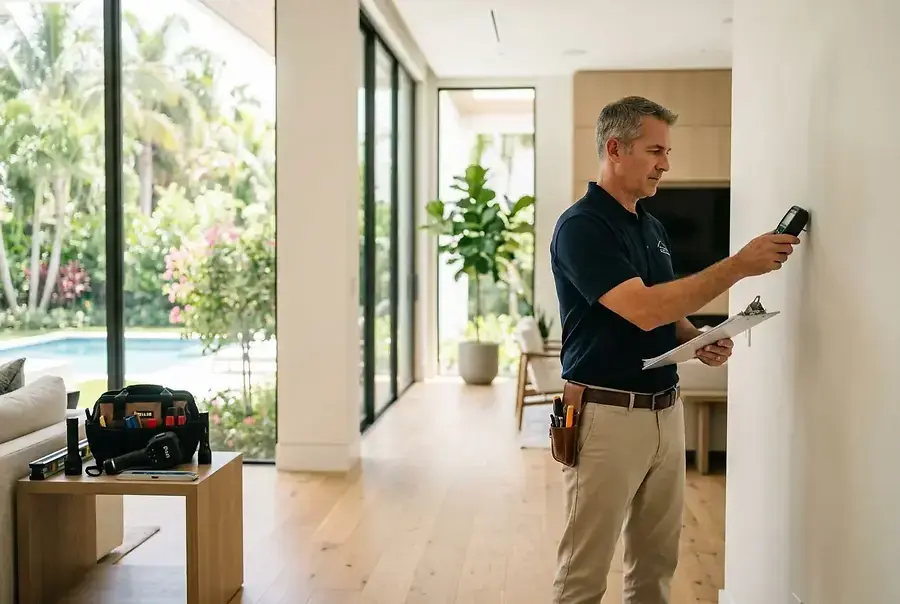
Understanding the Home Inspection Process in Boca Raton
Purchasing a home in Boca Raton is one of the most significant investments you'll make. A professional home inspection is your opportunity to uncover potential issues before you commit to the purchase. In Florida, home inspectors must be licensed, and they typically spend 2-4 hours examining every aspect of the property.
During a standard inspection, the inspector will evaluate the home's structural integrity, roof condition, foundation, and all major systems. They'll provide a detailed report highlighting any defects, safety concerns, or areas needing maintenance. Understanding this process helps you ask the right questions and make informed decisions about your purchase.
What to Expect During Your Inspection
You should always attend your home inspection. This gives you the opportunity to ask questions directly and understand the inspector's findings firsthand. The inspector will walk through every room, check attics and crawl spaces, and test all systems. They'll document their findings with photos and detailed notes.
- Exterior inspection: Roof, gutters, siding, foundation, and landscaping
- Interior inspection: Walls, ceilings, floors, doors, and windows
- Systems inspection: HVAC, plumbing, electrical, and appliances
- Safety features: Smoke detectors, carbon monoxide detectors, and handrails
Essential Systems to Evaluate: HVAC, Plumbing, and Electrical
Three critical systems keep your home comfortable and functional: heating, ventilation, and air conditioning (HVAC); plumbing; and electrical. In Boca Raton's tropical climate, these systems work harder than in many other regions, making thorough evaluation essential.
HVAC Systems in the Tropical Climate
Your air conditioning system is vital in South Florida. The inspector should verify that the AC unit is functioning properly, check the age of the system, and assess its maintenance history. Units typically last 10-15 years, so an older system may need replacement soon. Ask about the refrigerant type—older units may use R-22, which is being phased out and becomes increasingly expensive.
The inspector will also evaluate ductwork for leaks and proper insulation. In Boca Raton's humid environment, proper insulation prevents condensation and energy loss. A well-maintained HVAC system is crucial for both comfort and preventing moisture-related problems.
Plumbing Concerns in Boca Raton
Florida's unique geology presents plumbing challenges. The inspector should check for:
- Corrosion in pipes, especially in older homes with galvanized steel
- Water pressure and flow rates
- Proper drainage and slope in sewer lines
- Signs of leaks or water damage
- Water heater condition and age
Many Boca Raton homes have polybutylene pipes, which are prone to failure. If your home has these pipes, budget for replacement. Additionally, check for proper backflow prevention devices, which are required by code in Florida.
Electrical Systems and Safety
The electrical inspection should verify that the system is up to current code standards. The inspector will check the main panel, breakers, outlets, and wiring. Look for outdated components like Federal Pacific Electric (FPE) or Zinsco panels, which have known safety issues and may affect your insurance rates.
Ensure the home has adequate grounding and that all outlets in wet areas (bathrooms, kitchen, laundry) have GFCI protection. This is essential for safety in Florida's humid environment where electrical hazards are more common.
Climate-Specific Concerns: Moisture, Mold, and Hurricane Preparedness
Boca Raton's subtropical climate creates unique challenges that differ from other regions. Moisture and mold are persistent concerns, and hurricane preparedness is essential for protecting your investment.
Moisture and Mold Assessment
High humidity and frequent rainfall make moisture intrusion a common problem in South Florida homes. The inspector should look for:
- Water stains on ceilings, walls, and crawl spaces
- Soft or rotting wood, particularly in the attic and around windows
- Visible mold or mildew growth
- Proper grading around the foundation to direct water away
- Functioning gutters and downspouts
Consider a specialized mold inspection if you notice any signs of moisture problems. Mold can cause serious health issues and is expensive to remediate. Early detection is crucial.
Hurricane Preparedness and Wind Resistance
Living in Boca Raton means hurricane season is a reality. Your home inspection should evaluate:
- Roof condition and attachment: Proper fastening is critical for wind resistance
- Impact-resistant windows and doors: These provide significant protection and may lower insurance costs
- Structural integrity: Proper bracing and reinforcement in key areas
- Garage doors: These must be reinforced to prevent failure during high winds
- Pool enclosures: Screening must be properly maintained and secured
Homes built after 2002 generally meet stricter wind codes, but older homes may need upgrades. These improvements not only protect your family but can also reduce insurance premiums.
What to Do With Inspection Results and Negotiating Repairs
Once you receive the inspection report, you have several options. Don't panic if issues are found—most homes have some defects. The key is determining which ones are significant and how to address them.
Prioritizing Inspection Findings
Categorize issues into three groups:
- Critical issues: Safety hazards or major system failures requiring immediate attention
- Important issues: Problems that will become costly if not addressed soon
- Minor issues: Cosmetic or maintenance items that can wait
Focus your negotiation efforts on critical and important items. A roof leak or failing HVAC system deserves attention, while minor paint touch-ups typically don't.
Negotiation Strategies
You have several options when significant issues are discovered:
- Request repairs: Ask the seller to fix issues before closing
- Request credits: Negotiate a reduction in the purchase price to cover repairs yourself
- Request inspections: For major systems, ask for specialized inspections by licensed contractors
- Walk away: If issues are too extensive, you may choose to terminate the contract
Get written estimates from licensed contractors for major repairs. This gives you concrete numbers for negotiations and protects you from unexpected costs.
Final Walkthrough
Before closing, conduct a final walkthrough to verify that agreed-upon repairs were completed properly. Check that all systems are functioning and that the home is in the condition you agreed upon. This final step protects your investment and ensures a smooth closing.
Remember: A thorough home inspection is your best defense against costly surprises. In Boca Raton's unique climate, paying special attention to moisture, mold, and hurricane preparedness is essential for protecting your investment for years to come.