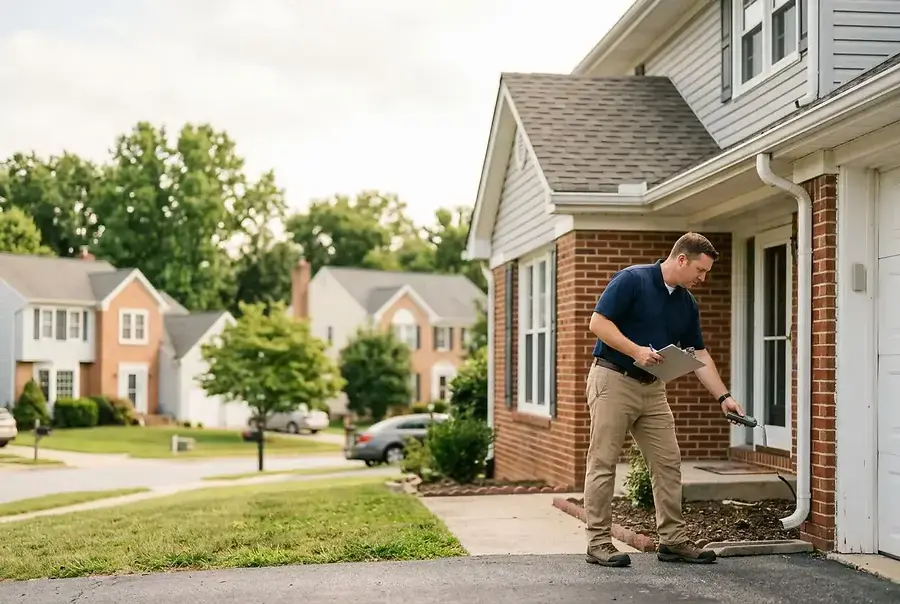
Why Professional Home Inspections Are Non-Negotiable in Maryland
Purchasing a home is one of the most significant financial decisions you'll make in your lifetime. In Central Maryland—spanning Baltimore, Anne Arundel, Howard, and Harford counties—the real estate market moves quickly, and competition among buyers is fierce. However, skipping a professional home inspection to gain an advantage is a costly mistake that could haunt you for years.
A professional home inspection is your opportunity to uncover hidden problems before you're legally bound to the purchase. Maryland law does not require sellers to disclose all defects, which means you must protect yourself through a thorough inspection. An experienced inspector will evaluate the structural integrity, electrical systems, plumbing, HVAC, roofing, and more—providing you with a detailed roadmap of the property's condition.
Beyond peace of mind, a comprehensive inspection report gives you negotiating power. Armed with professional findings, you can request repairs, credits, or price reductions before closing. This is particularly important in Central Maryland's diverse housing stock, where homes range from historic row houses to modern suburban developments.
Common Issues Found in Central Maryland Homes and What They Mean
Aging Roofs and Water Damage
Many homes in Central Maryland were built decades ago, and roofing is one of the first systems to show wear. Inspectors frequently find:
- Asphalt shingles nearing the end of their lifespan (typically 15-20 years)
- Missing or damaged flashing around chimneys and vents
- Interior water stains indicating past or present leaks
Water damage is particularly concerning because it can lead to mold, structural rot, and costly repairs. If your inspector finds signs of water intrusion, request a specialized mold inspection before proceeding.
Foundation and Basement Issues
The clay-heavy soil common throughout Central Maryland can cause foundation problems. Watch for:
- Cracks in basement walls or floors
- Efflorescence (white mineral deposits indicating moisture)
- Signs of previous water intrusion or flooding
- Inadequate drainage or missing gutters
Minor cracks may be cosmetic, but horizontal cracks or bowing walls indicate serious structural issues that require professional evaluation and can significantly impact your offer.
Outdated Electrical Systems
Older homes in Baltimore and surrounding counties often have outdated electrical panels or aluminum wiring, which poses fire hazards. Your inspector should verify:
- Adequate amperage for modern appliances and devices
- Proper grounding and circuit protection
- Absence of dangerous wiring materials
Upgrading electrical systems can be expensive, so this finding should factor heavily into your negotiation strategy.
HVAC and Plumbing Age
Central Maryland's humid summers and cold winters mean HVAC systems work hard. Inspectors commonly find aging furnaces, air conditioning units, and water heaters that are approaching replacement. Similarly, older homes may have galvanized or polybutylene plumbing that's prone to failure.
Navigating Inspection Reports and Negotiating Repairs Across County Lines
Understanding Your Inspection Report
A professional inspection report can be lengthy and technical. Focus on three categories:
- Critical Issues: Structural problems, electrical hazards, or safety concerns requiring immediate attention
- Major Systems: HVAC, plumbing, roofing, and foundation conditions that may need replacement soon
- Minor Defects: Cosmetic issues or small repairs that don't significantly impact value
Your real estate agent can help you prioritize findings and determine which issues warrant negotiation.
Negotiation Strategies for Central Maryland
Once you have your inspection report, you have several options:
- Request repairs: Ask the seller to fix critical issues before closing
- Request credits: Negotiate a dollar amount to handle repairs yourself after purchase
- Request price reduction: Lower the purchase price to account for necessary repairs
- Walk away: If issues are too severe or costly, you may terminate the contract during the inspection contingency period
In competitive Central Maryland markets, sellers may resist repair requests. Be strategic and focus on major issues rather than minor cosmetic concerns. Getting three repair estimates can strengthen your negotiating position by demonstrating the true cost of fixes.
County-Specific Considerations
Each county in Central Maryland has unique characteristics:
- Baltimore City and County: Historic homes with charm but aging systems; watch for lead paint and asbestos
- Anne Arundel County: Proximity to water means moisture and mold concerns; check for proper drainage
- Howard County: Newer developments generally have fewer issues, but older sections may have foundation problems
- Harford County: Mix of rural and suburban properties; verify well and septic systems if applicable
Final Walkthrough and Closing: Using Inspection Findings to Protect Your Investment
The Final Walkthrough
Typically 24-48 hours before closing, you'll conduct a final walkthrough. This is not optional—use this time to verify that:
- All agreed-upon repairs have been completed satisfactorily
- No new damage has occurred since the inspection
- Agreed-upon credits or price reductions are reflected in closing documents
- Appliances and fixtures that were supposed to stay are still present
If repairs weren't completed or new issues appear, notify your real estate agent and lender immediately. You may be able to hold funds in escrow until repairs are finished.
Protecting Your Investment Long-Term
Your inspection report is valuable beyond closing day. Keep it with your home records for future reference. It serves as:
- A baseline for future inspections when selling
- Documentation of the home's condition at purchase
- A guide for maintenance priorities
- Evidence for insurance or warranty claims
Consider scheduling a follow-up inspection in 5-10 years to catch developing issues early. This proactive approach can save thousands in emergency repairs.
Final Thoughts
Buying a home in Central Maryland is an exciting milestone, but it requires diligence and careful attention to detail. A professional home inspection is your best defense against costly surprises. By understanding common regional issues, negotiating strategically, and using inspection findings throughout the closing process, you'll protect your investment and enjoy your new home with confidence.
Remember: The inspection contingency period is your window to walk away from a problematic property. Use it wisely, and don't let market pressure push you into overlooking serious issues.