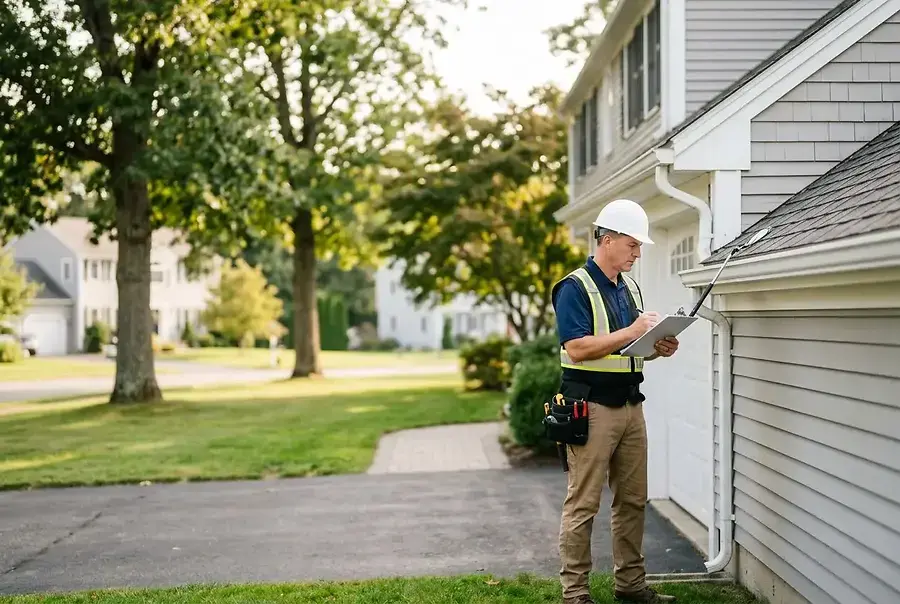
Understanding the Home Inspection Process
A home inspection is one of the most critical steps in the home buying process. It's a thorough examination of a property's physical structure and systems, conducted by a licensed professional inspector. This inspection typically takes 2-3 hours and provides you with detailed information about the condition of your potential investment.
Before scheduling an inspection, ensure you have a qualified, licensed home inspector. Ask for references and verify their credentials with your state's licensing board. During the inspection, you have the right to be present and ask questions. This is your opportunity to learn about the property firsthand and understand any concerns the inspector identifies.
The inspection report will document findings in various categories, ranging from minor cosmetic issues to serious structural problems. Understanding this report is crucial for making an informed decision about your purchase.
Key Areas Inspectors Examine
Structural Components
Inspectors carefully evaluate the foundation, walls, and roof structure. They look for cracks, settling, water damage, and signs of pest infestation. The foundation is particularly important—any significant cracks or moisture issues can indicate serious problems that may be expensive to repair.
Roofing and Exterior
Your roof is your home's first line of defense against the elements. Inspectors assess the roof's age, condition, and remaining lifespan. They also examine gutters, downspouts, siding, windows, and doors for proper function and weather-tightness. Missing shingles, improper drainage, and deteriorating caulk are common issues that can lead to water damage.
Plumbing Systems
A thorough plumbing inspection includes checking water pressure, drainage, and the condition of pipes. Inspectors test fixtures, look for leaks, and assess the water heater. In older homes, corroded pipes or outdated materials may require replacement, which can be a significant expense.
Electrical Systems
Inspectors verify that the electrical panel is properly sized, check for adequate grounding, and test outlets throughout the home. Outdated wiring, insufficient capacity, or safety hazards like double-tapped breakers are red flags that require professional attention.
HVAC Systems
The heating, ventilation, and air conditioning systems are evaluated for proper operation and maintenance. Inspectors check the age of equipment, filter condition, and overall efficiency. An aging furnace or air conditioning unit may need replacement soon, which is an important cost to consider.
Interior Conditions
Inspectors examine walls, ceilings, floors, and insulation. They look for water stains, mold, pest damage, and structural issues. The attic and basement are particularly important areas, as they often reveal moisture problems and other hidden issues.
Red Flags and When to Walk Away
Serious Structural Issues
Major foundation cracks, significant settling, or evidence of structural movement should be taken seriously. These problems can be extremely costly to repair and may affect the home's safety and insurability. If an inspector identifies these issues, consider obtaining a structural engineer's evaluation before proceeding.
Mold and Water Damage
Extensive mold growth or signs of chronic water intrusion are major concerns. Mold remediation can be expensive and may indicate ongoing moisture problems. Water damage in the basement, attic, or walls suggests the home has drainage or roofing issues that need addressing.
Outdated or Dangerous Systems
Homes with outdated electrical systems, knob-and-tube wiring, or aluminum wiring may pose safety risks and require expensive upgrades. Similarly, old plumbing with corroded pipes or homes with polybutylene plumbing may need replacement. These system upgrades can cost thousands of dollars.
Pest Infestation
Evidence of termites, carpenter ants, or other destructive pests should be a major concern. Professional pest control and structural repairs can be very expensive. A pest inspection may be warranted if the home inspector suspects infestation.
Hazardous Materials
Homes built before the 1980s may contain asbestos, lead paint, or other hazardous materials. While these don't always require immediate removal, they can affect future renovations and resale value. Understanding the presence and extent of these materials is important for your decision.
When to Negotiate or Walk Away
Not every issue found during inspection means you should walk away. Minor repairs and cosmetic issues are normal in any home. However, if the inspection reveals multiple serious problems or the cost of repairs exceeds your budget, you have the right to renegotiate the price or walk away from the deal. This is why the inspection contingency in your purchase agreement is so valuable.
Moving Forward with Confidence
After receiving your inspection report, take time to review it carefully. Don't hesitate to ask your inspector questions about any findings you don't understand. Consider obtaining specialist evaluations for any areas of concern—a structural engineer for foundation issues, a plumber for major plumbing problems, or a roofer for roof concerns.
Use the inspection results to make an informed decision. You can request repairs from the seller, ask for a price reduction, or request that the seller provide an escrow account for repairs. Your real estate agent can help you navigate these negotiations.
Remember, a home inspection is an investment in your peace of mind. It protects you from purchasing a property with hidden problems and gives you the information you need to make the best decision for your family. By understanding what inspectors look for and knowing which issues are deal-breakers, you'll be well-equipped to navigate the home buying process in East Longmeadow with confidence.
Take your time, ask questions, and don't rush the inspection process. Your future home is one of the most important investments you'll make—ensure it's the right one for you.