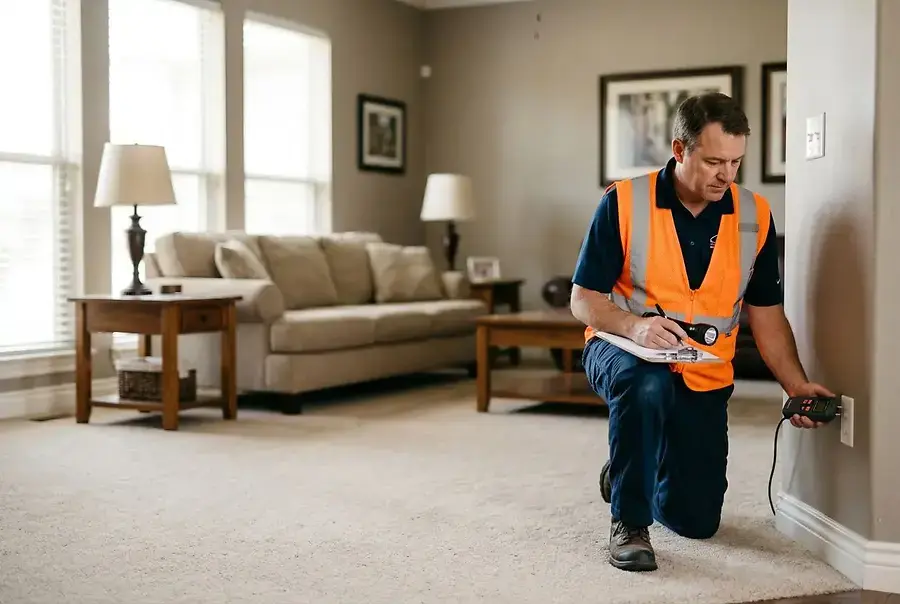
What to Look for During a Home Inspection
A thorough home inspection is one of the most important steps in the homebuying process. As an Edmond buyer, understanding what inspectors evaluate will help you make informed decisions about your potential investment.
Structural Components
The foundation is the backbone of any home. Inspectors will examine the foundation for cracks, settling, and water damage. Look for signs of structural movement, particularly in basements and crawl spaces. The roof's condition is equally critical—inspectors check for missing shingles, leaks, and proper ventilation. Don't overlook the attic, as it reveals much about the home's overall health.
Electrical and Plumbing Systems
Your inspector will evaluate the electrical panel, wiring, and outlets to ensure they meet current safety standards. Outdated systems may require upgrades. For plumbing, expect a thorough check of water pressure, drainage, and pipe conditions. Older homes in Edmond may have galvanized pipes that are prone to corrosion.
HVAC and Insulation
The heating and cooling system should operate efficiently. Inspectors test furnaces, air conditioners, and thermostats to verify proper function. Adequate insulation is crucial for energy efficiency, especially in Oklahoma's climate where temperatures fluctuate significantly.
Common Issues Found in Edmond Properties
Edmond's unique climate and building patterns create specific challenges for homeowners. Being aware of these common issues will help you evaluate properties more effectively.
Water Damage and Moisture Problems
Oklahoma's weather patterns can lead to water intrusion in basements and crawl spaces. Heavy rains and poor drainage around the foundation are frequent culprits. Look for staining, mold growth, and musty odors that indicate moisture problems. These issues can be expensive to remediate if left unaddressed.
Roof and Exterior Concerns
Hail storms are not uncommon in the Oklahoma region, making roof damage a prevalent issue. Inspectors will look for impact damage, granule loss, and deterioration. Additionally, check the condition of gutters, downspouts, and exterior siding to ensure proper water management.
HVAC System Age
Many Edmond properties have aging heating and cooling systems. Units over 15 years old may be less efficient and prone to breakdowns. Budget for potential replacement costs when evaluating older homes.
Outdated Electrical Systems
Some older homes still have aluminum wiring or insufficient electrical capacity for modern appliances and technology. These upgrades can be costly but are essential for safety and functionality.
How to Interpret Your Inspection Report
Once your inspection is complete, you'll receive a detailed report. Understanding how to read it is crucial for making your next decision.
Report Organization
Inspection reports typically organize findings by home system. Each section will detail what was inspected, what was found, and the severity of any issues. Reports use categories like "satisfactory," "minor repair needed," or "major repair needed."
Prioritizing Issues
Not all issues require immediate attention. Safety concerns and structural problems take priority over cosmetic issues. Focus on items that affect the home's habitability and long-term value. A missing shingle is less urgent than a failing foundation.
Getting Professional Opinions
For significant issues, consider hiring specialists. A structural engineer, plumber, or electrician can provide detailed assessments and repair estimates. This information strengthens your negotiating position with the seller.
Understanding Repair Costs
The inspection report identifies problems but doesn't always estimate repair costs. Research local contractors to understand what fixes will cost. This helps you decide whether to negotiate repairs, request credits, or walk away from the deal.
Taking Action: Next Steps After Your Inspection
Your inspection results open several pathways forward. Here's how to proceed strategically.
Negotiation Strategies
Armed with inspection findings, you can request the seller make repairs, provide credits, or reduce the purchase price. Focus negotiations on significant issues that affect safety and value. Be reasonable—sellers expect minor repairs to be the buyer's responsibility.
Requesting Repairs or Credits
Decide whether you want the seller to complete repairs before closing or if you'd prefer a credit toward closing costs. Some buyers prefer handling repairs themselves to ensure quality work. Document all requests in writing and ensure the seller provides proof of completed work.
Walking Away When Necessary
If inspection results reveal extensive damage or costly repairs, you may have grounds to terminate the contract. Most purchase agreements include inspection contingencies that allow you to back out without penalty if significant issues arise.
Planning Your Budget
Even if you proceed with the purchase, use inspection findings to plan your budget. Prioritize repairs that affect safety and functionality. Set aside funds for maintenance and unexpected repairs in your first year of ownership.
Final Walk-Through
Before closing, conduct a final walk-through to confirm that any agreed-upon repairs were completed satisfactorily. Verify that the home's condition matches the inspection report and that no new issues have emerged.
A comprehensive home inspection is your best defense against costly surprises. By understanding what to look for, recognizing common Edmond issues, and taking decisive action based on your findings, you'll make a confident, informed decision about your home purchase. Don't rush this critical step—your future satisfaction and financial security depend on it.