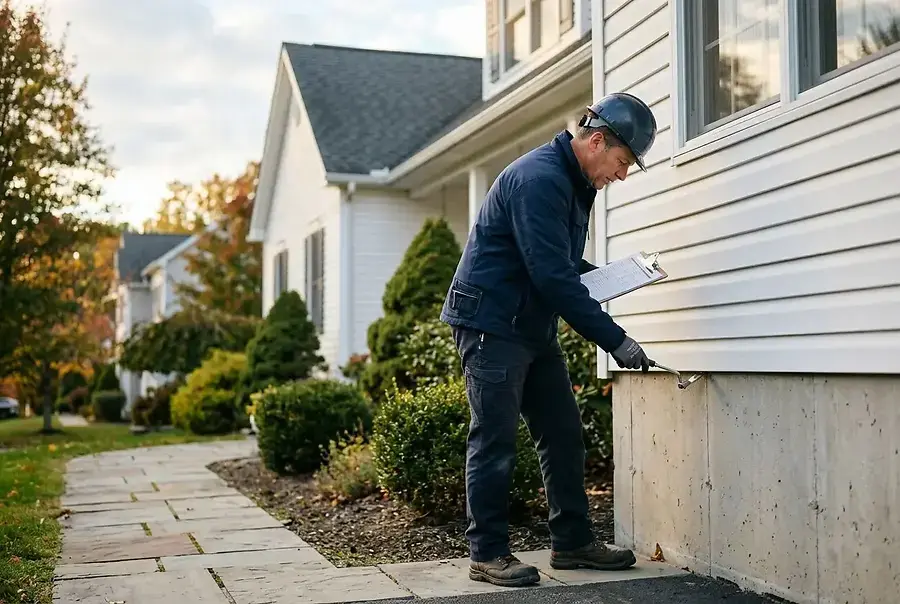
Introduction: Why Home Inspections Matter in Fishkill
Purchasing a home is one of the most significant investments you'll make in your lifetime. In Fishkill, where the real estate market is competitive and properties vary widely in age and condition, a professional home inspection is not just recommended—it's essential. A thorough inspection can reveal hidden issues that could cost thousands of dollars to repair, protect you from unexpected surprises, and give you the confidence to move forward with your purchase.
Many first-time buyers underestimate the importance of home inspections, viewing them as an unnecessary expense. However, the cost of a professional inspection—typically between $300 and $500—is minimal compared to the potential expenses of addressing major structural problems, electrical issues, or plumbing failures after closing. In Fishkill's diverse housing market, which includes everything from historic homes to modern constructions, inspections are particularly valuable.
Critical Areas to Inspect: Foundation, Roof, and Systems
Foundation and Structural Integrity
The foundation is the backbone of any home. In Fishkill, where soil conditions and weather patterns can vary significantly, foundation issues are a common concern. During your inspection, look for:
- Cracks in the foundation – Small hairline cracks are normal, but larger cracks or those that are widening may indicate serious problems
- Water damage or moisture – Signs of water intrusion in basements or crawl spaces suggest potential drainage issues
- Uneven floors – Walking through the home and noticing sloping or uneven flooring can indicate foundation settlement
- Gaps between walls and foundation – These gaps may suggest structural movement or settling
A professional inspector will use specialized equipment to assess the foundation's condition and provide recommendations for any necessary repairs.
Roof Condition and Longevity
The roof protects your entire home from the elements. Fishkill's weather, including heavy snow and rain, puts significant stress on roofing materials. During inspection, focus on:
- Shingle condition – Look for missing, cracked, or curling shingles that may need replacement soon
- Roof age – Most asphalt shingles last 15-20 years; knowing the roof's age helps you budget for future replacement
- Flashing and seals – Damaged flashing around chimneys, vents, and skylights can lead to leaks
- Gutters and drainage – Ensure gutters are properly attached and water drains away from the foundation
A roof inspection may require a professional to safely access the roof and provide a detailed assessment of its remaining lifespan.
Electrical, Plumbing, and HVAC Systems
These three systems are critical to your home's functionality and safety. In Fishkill homes, especially older properties, these systems may need updates or repairs:
- Electrical system – Check for outdated wiring, insufficient outlets, and proper grounding. Older homes may have aluminum wiring, which poses fire risks
- Plumbing – Inspect for leaks, water pressure issues, and the condition of pipes. Galvanized pipes in older homes may be corroded
- HVAC system – Verify that heating and cooling systems are functioning properly and assess their age and efficiency
These systems require specialized knowledge to evaluate properly, making professional inspection crucial.
Red Flags and How to Negotiate After Inspection Results
Common Red Flags in Fishkill Homes
Certain issues should raise immediate concerns and warrant further investigation:
- Evidence of pest infestation – Termites, carpenter ants, and rodents can cause extensive damage
- Mold or mildew – Indicates moisture problems that can affect health and structural integrity
- Outdated or unsafe electrical panels – Federal Pacific Electric (FPE) panels and Zinsco panels are known fire hazards
- Asbestos or lead paint – Common in older Fishkill homes and require professional remediation
- Poor ventilation in attics – Can lead to premature roof deterioration and moisture issues
Negotiating After Inspection
Once you receive the inspection report, you have several options for negotiating with the seller:
Request repairs: Ask the seller to fix critical issues before closing. This is most effective for major problems like roof replacement or foundation repairs.
Request credits: If the seller is unwilling to make repairs, negotiate a credit toward closing costs that you can use to address issues after purchase.
Renegotiate the price: Use inspection findings to justify a lower offer price that accounts for necessary repairs.
Walk away: If inspection reveals major issues that would be costly to repair, you may decide the property isn't worth the investment.
"A home inspection is your opportunity to make an informed decision. Don't skip this step or rush through it—your future home depends on it."
Work with your real estate agent to determine which issues are negotiable and which are deal-breakers based on your budget and priorities.
Conclusion: Making Confident Offers with Professional Guidance
A comprehensive home inspection is your best defense against costly surprises and a key step in making a confident purchase decision. In Fishkill's competitive real estate market, being thorough and informed gives you a significant advantage.
Remember to hire a certified, experienced home inspector who knows the local area and common issues in Fishkill properties. Review the inspection report carefully, ask questions, and don't hesitate to request follow-up inspections by specialists if needed. Armed with detailed information about a property's condition, you can negotiate effectively and move forward with your purchase knowing exactly what you're getting.
Your home is more than just a property—it's where you'll build memories and create a life. Taking the time to inspect it thoroughly ensures you're making one of the best investments of your life with confidence and peace of mind.