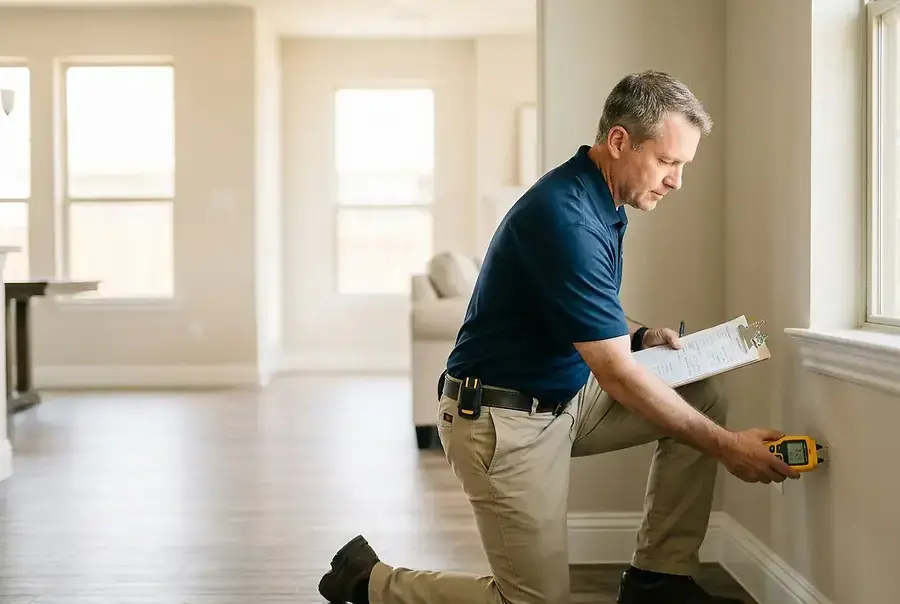
Why Home Inspections Matter in North Texas's Competitive Market
In North Texas's diverse real estate market, home inspections are not just a formality—they're your most important safeguard as a buyer. With properties moving quickly in growing communities, competition can be fierce, and many buyers feel pressured to skip inspections or waive contingencies. This is a critical mistake that could cost you thousands of dollars in unexpected repairs.
A professional home inspection provides an objective assessment of a property's condition before you commit to the purchase. Across North Texas, homes range from new construction in rapidly expanding communities to established properties in mature neighborhoods. Inspections can reveal hidden issues that affect your safety, comfort, and financial investment. Whether you're buying a brand-new home or a decades-old property in Allen, McKinney, Frisco, Plano, Prosper, Celina, or surrounding communities, understanding what inspectors evaluate helps you make informed decisions.
What Professional Inspectors Examine: The Complete Checklist
Structural Components
Professional inspectors begin by evaluating the foundation, framing, and overall structural integrity of the home. They look for cracks, settling, water damage, and signs of foundation movement. In Frisco's climate, soil conditions can affect foundations, making this assessment particularly important.
Roofing and Exterior
The roof is one of the most expensive components to replace. Inspectors examine:
- Shingle condition and age
- Flashing around chimneys and vents
- Gutters and downspouts
- Siding and exterior walls
- Windows and doors
Plumbing Systems
Inspectors test water pressure, check for leaks, and evaluate the condition of pipes throughout the home. They examine:
- Water supply lines
- Drainage systems
- Fixtures and faucets
- Water heater condition and age
- Septic systems (if applicable)
Electrical Systems
A thorough electrical inspection ensures your home meets current safety codes. Inspectors evaluate the main panel, wiring, outlets, and grounding systems. Outdated or faulty electrical work is a serious safety hazard that requires immediate attention.
HVAC Systems
Heating, ventilation, and air conditioning systems are essential in North Texas, where summers can bring prolonged periods of extreme heat. Inspectors test functionality and assess the age and condition of the equipment. An aging or failing air conditioning unit can become a significant expense, especially during the hottest months.
Interior Components
Inspectors examine walls, ceilings, floors, and insulation for water damage, mold, and structural issues. They also check:
- Doors and windows operation
- Stairs and railings
- Attic ventilation and condition
- Basement or crawl space moisture
Common Issues Found in North Texas Homes and How to Address Them
Water Damage and Moisture Problems
Heavy rain, drainage problems, and changing weather conditions can contribute to water intrusion throughout North Texas. Common concerns include roof leaks, improper grading that directs water toward the foundation, and inadequate drainage. Solution: Request repairs or credits from the seller. Minor issues may warrant a deduction from the purchase price, while significant water damage could require professional remediation.
HVAC System Age and Efficiency
Air conditioning systems work hard during North Texas summers, and older equipment may struggle to maintain comfortable indoor temperatures. Solution: If the system is approaching the end of its expected service life, have an HVAC professional assess its condition and repair needs. Depending on the findings, negotiate for repairs, replacement, or a credit toward a new unit.
Electrical Upgrades Needed
Some homes may have outdated electrical panels, aging wiring, or insufficient capacity for modern appliances. Solution: Obtain estimates from licensed electricians and use those findings to negotiate repairs or credits with the seller.
Roof Condition Issues
Roof longevity varies depending on materials, installation quality, maintenance, and exposure to severe weather. Solution: If the roof is aging or shows signs of damage, request repairs or negotiate an appropriate credit. Consider a separate roofing evaluation if the general inspection identifies concerns.
Foundation Concerns
Foundation movement can occur throughout North Texas because of changing soil moisture and expansive clay soils. However, not every crack indicates a serious structural problem. Solution: Have significant cracks, uneven floors, or other concerning signs evaluated by a qualified structural engineer or foundation specialist. A professional assessment can help determine whether repairs or seller concessions are appropriate.
Plumbing and Water Heater Issues
Leaking pipes, low water pressure, deteriorating plumbing components, and aging water heaters can appear in homes of varying ages. Solution: Obtain repair or replacement estimates from qualified professionals and negotiate for appropriate repairs or credits when warranted.
Using Inspection Results to Negotiate and Secure Your Best Deal
Don't Skip the Inspection Contingency: Always include a home inspection contingency in your offer. This gives you the right to walk away or renegotiate if major issues are discovered.
Get Everything in Writing: Request a detailed written inspection report. Photos and descriptions of issues provide leverage during negotiations and protect you legally.
Prioritize Major Issues: Focus negotiations on significant problems like structural damage, electrical hazards, or major system failures. Minor cosmetic issues are typically the buyer's responsibility.
Obtain Repair Estimates: For items the inspector flags, get quotes from licensed contractors. Use these estimates to request seller repairs or credits that accurately reflect the cost of fixes.
Consider Repair vs. Credit: Sometimes it's better to request a credit and handle repairs yourself after closing. This gives you control over contractor selection and quality of work.
Walk Away if Necessary: If inspection reveals deal-breaking issues and the seller won't negotiate, your inspection contingency protects your ability to exit the contract without penalty.
Conclusion: Protecting Your North Texas Home Investment
A professional home inspection is one of the most valuable steps you can take as a North Texas home buyer. It provides the information you need to make confident decisions, negotiate effectively, and reduce the risk of costly surprises after closing.
By understanding what inspectors evaluate and knowing how to respond to their findings, you transform the inspection from a mere formality into a powerful tool for protecting your investment. In North Texas' competitive market, informed buyers who leverage inspection results are the ones who secure the best deals and move into homes with confidence.
Don't let the pressure of a competitive market push you into skipping this critical step. Your future self will thank you for taking the time to get a thorough inspection and using the results to negotiate the best possible outcome.