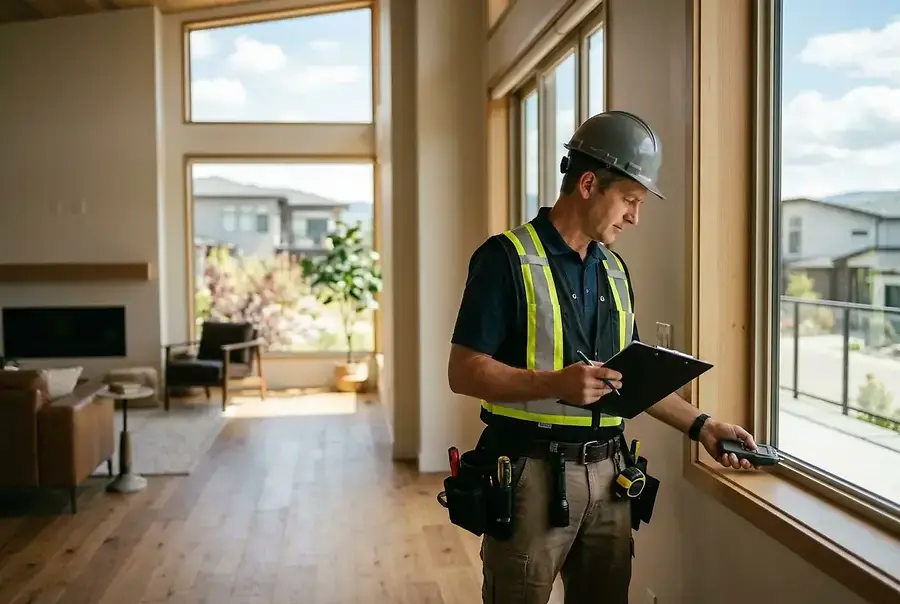
Why Home Inspections Matter in Green Valley
Purchasing a home is one of the most significant financial decisions you'll make in your lifetime. In Green Valley, where the real estate market is competitive and properties vary widely in age and condition, a thorough home inspection is absolutely essential. A professional home inspection provides you with an objective assessment of your potential property's condition, helping you make informed decisions and avoid costly surprises down the road.
Many first-time buyers underestimate the importance of inspections, viewing them as an unnecessary expense. However, the truth is that a comprehensive inspection can save you thousands of dollars by identifying issues before you commit to the purchase. Whether you're buying a newly constructed home or a decades-old property, an inspection gives you peace of mind and negotiating power.
Key Areas to Evaluate During Your Home Inspection
Structural Integrity and Foundation
The foundation is the backbone of any home. During your inspection, the inspector will examine the foundation for cracks, settling, or water damage. Look for signs of structural problems such as sloping floors, cracks in walls, or doors that don't close properly. In Green Valley's climate, foundation issues can develop over time, so this assessment is critical.
Roofing and Exterior
Your roof protects everything beneath it, making its condition paramount. The inspector will check for:
- Missing or damaged shingles
- Signs of leaks or water damage
- Proper ventilation and flashing
- The estimated remaining lifespan of the roof
Additionally, the exterior walls, siding, windows, and doors should be examined for damage, deterioration, and proper sealing.
Plumbing Systems
Water issues are among the most expensive problems to repair. The inspector will test water pressure, check for leaks under sinks and around toilets, and inspect the main water line. They'll also evaluate the condition of pipes and identify any potential issues with the septic system or sewer connection.
Electrical Systems
A safe electrical system is non-negotiable. The inspector will examine the electrical panel, test outlets, and check for outdated wiring. Older homes in Green Valley may have aluminum wiring or insufficient grounding, which can pose safety hazards. Ensure the home meets current electrical codes.
HVAC Systems
Heating, ventilation, and air conditioning systems are essential for comfort and health. The inspector will assess the age and condition of your furnace, air conditioner, and ventilation systems. They'll also check ductwork for leaks and proper insulation.
Insulation and Ventilation
Proper insulation and ventilation affect energy efficiency and prevent moisture problems. The inspector will evaluate attic insulation levels, check for proper ventilation, and look for signs of moisture or mold growth.
Red Flags and How to Address Inspection Findings
Understanding the Inspection Report
Once the inspection is complete, you'll receive a detailed report categorizing findings by severity. Issues are typically classified as major, minor, or cosmetic. Major issues require immediate attention, while minor issues can often be addressed over time.
Common Red Flags in Green Valley Homes
Be particularly alert to these warning signs:
- Water damage or mold: These indicate moisture problems that can affect structural integrity and health
- Outdated electrical systems: Pose fire hazards and may not support modern appliances
- Roof damage: Replacement costs can be substantial, often ranging from $10,000 to $25,000
- Foundation cracks: May indicate serious structural issues requiring professional assessment
- Pest damage: Termites and other pests can compromise structural integrity
Negotiating After Inspection
Once you have the inspection report, you have several options. You can request that the seller make repairs before closing, ask for a credit toward repairs you'll handle yourself, or renegotiate the purchase price. Some sellers may offer a combination of these solutions.
Pro Tip: Always hire a licensed, experienced inspector who specializes in homes in your area. They'll understand local building codes and common issues specific to Green Valley properties.
When to Walk Away
Not every issue is a deal-breaker, but some should give you serious pause. If the inspection reveals multiple major problems, structural issues, or extensive mold, it may be wise to reconsider your offer. The cost of repairs could exceed your budget or the home's actual value.
Making Informed Decisions with Inspection Results
A home inspection is your opportunity to gather critical information about your potential investment. Use the inspection report as a tool for negotiation and planning, not as a reason to panic. Many homes have minor issues that are easily and affordably corrected.
Consider getting specialized inspections for specific concerns. If the general inspector identifies potential issues with the foundation, roof, or HVAC system, hiring a specialist can provide more detailed information and cost estimates for repairs.
Remember that no home is perfect. The goal of an inspection is to ensure you understand what you're buying and can make a decision based on complete information. By thoroughly evaluating your Green Valley home before purchase, you're protecting your investment and setting yourself up for a successful homeownership experience.
Take your time reviewing the inspection report, ask your inspector questions, and consult with your real estate agent about next steps. With knowledge and preparation, you'll be well-equipped to make the best decision for your family and your future.