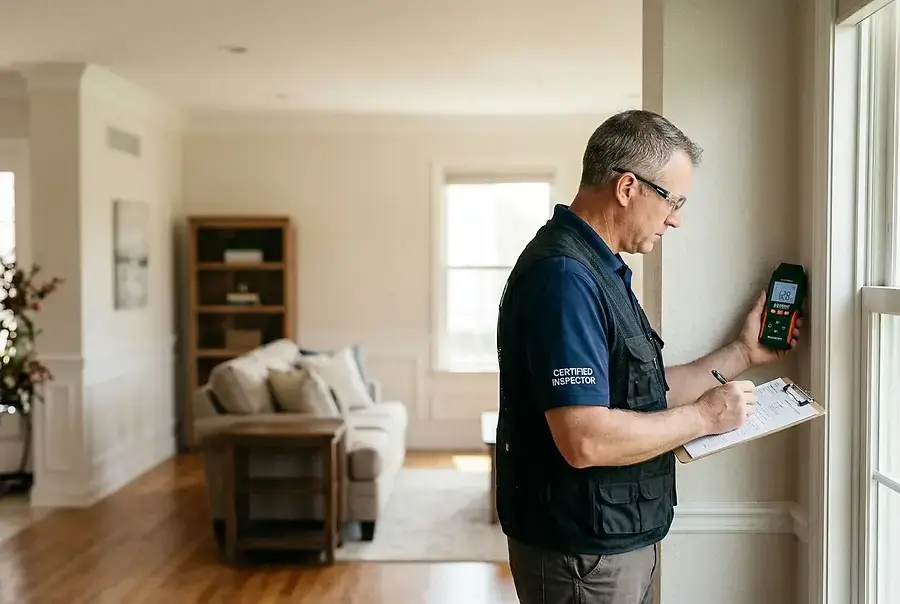
Understanding the Home Inspection Process
A home inspection is one of the most important steps in the homebuying journey. This thorough evaluation of a property's condition provides you with critical information before you commit to one of the largest purchases of your life. In Libertyville, professional home inspectors are licensed professionals who examine every major system and component of a home to identify potential issues.
The inspection typically takes two to four hours depending on the home's size and age. During this time, the inspector will document their findings in a detailed report that becomes your roadmap for negotiations and future maintenance. As a buyer, you have the right to be present during the inspection—in fact, it's highly recommended. This gives you the opportunity to ask questions and understand the property's condition firsthand.
Why Home Inspections Matter
Many first-time homebuyers underestimate the value of a professional inspection. Unlike a lender's appraisal, which focuses on property value, an inspection examines the actual condition of the home. It can reveal hidden problems that could cost thousands to repair, such as foundation issues, roof damage, or outdated electrical systems. An inspection protects your investment and prevents costly surprises after closing.
Key Areas Inspectors Examine in Libertyville Homes
Professional inspectors follow a systematic approach when evaluating homes. Here are the primary areas they assess:
Structural Components
Inspectors examine the foundation, walls, and overall structural integrity. In Libertyville, where homes range from historic properties to newer constructions, foundation issues are particularly important to identify. Cracks, settling, or water damage in basements are red flags that require further evaluation.
Roofing and Exterior
The roof is one of your home's most critical protective elements. Inspectors check for:
- Shingle condition and age
- Flashing around chimneys and vents
- Gutters and downspouts
- Exterior walls and siding
- Windows and doors
Plumbing Systems
Water issues can be expensive and destructive. Inspectors test water pressure, check for leaks, examine pipe materials, and assess the water heater's condition. Older Libertyville homes may have outdated plumbing that requires attention.
Electrical Systems
A thorough electrical inspection ensures your home meets current safety standards. Inspectors check:
- Panel capacity and condition
- Outlet and switch functionality
- Grounding and bonding
- Presence of GFCI outlets in wet areas
HVAC Systems
Heating, ventilation, and air conditioning systems are tested for proper operation. The inspector documents the age and condition of furnaces, air conditioners, and ductwork. Replacement of these systems can be a significant expense, so their condition matters greatly.
Interior Components
Inspectors also evaluate insulation, ventilation, doors, stairs, and built-in appliances. They look for signs of water damage, mold, pest infestation, and other interior concerns that affect livability and safety.
How to Interpret Inspection Reports and Negotiate Repairs
Understanding Your Report
Home inspection reports can be lengthy and technical. Most reports categorize findings into three levels:
- Safety Issues: Problems that pose immediate danger
- Major Repairs: Significant systems needing replacement or major work
- Minor Issues: Small repairs or maintenance items
Take time to review the report carefully and ask your inspector to explain anything you don't understand. Don't ignore findings—they provide valuable insight into the property's true condition.
Negotiation Strategies
Once you have the inspection report, you have several options:
- Request repairs: Ask the seller to fix major issues before closing
- Request credits: Negotiate a credit toward closing costs to handle repairs yourself
- Request price reduction: Lower the purchase price to account for needed repairs
- Walk away: If issues are too severe, you may have grounds to cancel the contract
The key is understanding which issues are deal-breakers and which are manageable. Work with your real estate agent and inspector to prioritize concerns and develop a negotiation strategy that protects your interests.
Getting Second Opinions
For major issues like foundation problems or roof damage, consider hiring a specialist for a more detailed evaluation. This additional investment can provide clarity and strengthen your negotiating position.
Protecting Your Purchase: Next Steps After Inspection
Document Everything
Keep copies of your inspection report, all communications with the seller, and any repair estimates. This documentation protects you and provides a baseline for future maintenance.
Plan for Future Maintenance
Use the inspection report to create a maintenance schedule. Address safety issues immediately and plan for major system replacements based on their age and condition. This proactive approach prevents small problems from becoming expensive disasters.
Get a Home Warranty
Consider purchasing a home warranty that covers major systems and appliances. While not a substitute for proper maintenance, a warranty provides financial protection against unexpected failures.
Schedule a Final Walk-Through
Before closing, conduct a final walk-through to confirm that agreed-upon repairs were completed satisfactorily. Verify that the property condition matches what you inspected and that no new damage has occurred.
Build Your Home Care Team
Establish relationships with reliable contractors, plumbers, electricians, and other service providers. Having trusted professionals on speed dial makes addressing future issues much easier and less stressful.
A home inspection is not an obstacle to overcome—it's a tool that empowers you to make an informed decision about one of life's biggest investments. By understanding what inspectors look for and how to use their findings, you protect yourself and ensure your new Libertyville home is a sound investment for years to come.