Why Home Inspections Matter in Magnolia's Real Estate Market
Purchasing a home is one of the most significant investments you'll make in your lifetime. In Magnolia, Texas, where the real estate market is competitive and homes vary widely in age and condition, a professional home inspection is not just recommended—it's essential. A thorough inspection provides you with a detailed understanding of your potential property's structural integrity, mechanical systems, and overall condition.
Home inspections serve as your protection against costly surprises after closing. They reveal hidden problems that might not be visible during a casual walkthrough, from foundation issues to outdated electrical systems. In Magnolia's humid climate, inspectors pay special attention to moisture damage, mold, and pest infestations that are common in Texas homes. By investing in a professional inspection, you gain leverage in negotiations and peace of mind in your purchase decision.
What to Expect During a Professional Home Inspection
The Inspection Process
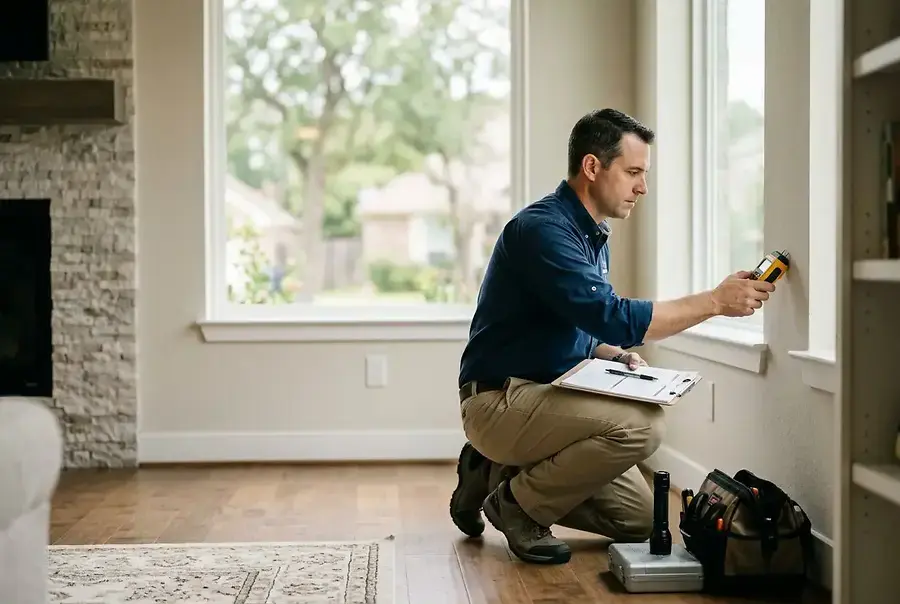
A professional home inspection typically lasts between two to four hours, depending on the property's size and age. The inspector will systematically examine every accessible area of the home, both inside and outside. You should plan to be present during the inspection so you can ask questions and understand the inspector's findings firsthand.
Key Areas Inspectors Examine
Professional inspectors evaluate numerous components of your potential home:
- Structural Systems: Foundation, walls, roof, and overall structural integrity
- Roofing: Condition, age, and remaining lifespan of roof materials
- Exterior: Siding, windows, doors, gutters, and drainage systems
- Plumbing: Water pressure, drainage, pipe condition, and water heater functionality
- Electrical Systems: Panel condition, wiring, outlets, and safety compliance
- HVAC Systems: Heating, cooling, and ventilation efficiency and age
- Interior: Walls, ceilings, floors, insulation, and moisture levels
- Appliances: Functionality of included appliances and built-in systems
Understanding the Inspection Report
After the inspection, you'll receive a detailed report categorizing findings by severity. Most reports use classifications such as safety hazards, major repairs needed, minor repairs, and maintenance recommendations. Understanding these categories helps you prioritize concerns and determine which issues require immediate attention versus those that can be addressed over time.
Common Issues Found in Magnolia Homes and How to Address Them
Moisture and Mold Problems
Magnolia's subtropical climate creates ideal conditions for moisture accumulation and mold growth. Inspectors frequently find water stains, soft spots in wood, and mold in attics, basements, and crawl spaces. Address these issues immediately by improving ventilation, installing dehumidifiers, and repairing any water intrusion sources. Mold remediation may require professional services and can be costly, making this a critical negotiation point.
Roof and Attic Issues
Many Magnolia homes show signs of roof wear, including missing shingles, deteriorated flashing, and inadequate ventilation. Given the area's weather patterns, roof condition directly impacts your home's longevity. Request a roofing contractor's estimate for repairs or replacement, as this can significantly affect your offer price.
Outdated Electrical Systems
Older homes in Magnolia may have outdated electrical panels, aluminum wiring, or insufficient outlets for modern living. These issues pose safety risks and may require upgrades to meet current building codes. Budget for potential electrical work when evaluating the property's true cost.
Plumbing Concerns
Aging pipes, low water pressure, and drainage problems are common in established neighborhoods. Galvanized pipes, in particular, corrode over time and may need replacement. Have the inspector test water pressure and check for signs of leaks or water damage.
HVAC System Age
Air conditioning systems typically last 10-15 years. If the HVAC system is nearing the end of its lifespan, factor replacement costs into your decision. In Magnolia's climate, a functioning cooling system is non-negotiable for comfort and home value.
Using Inspection Results to Negotiate and Protect Your Investment
Leverage for Negotiation
The inspection report is your most powerful negotiation tool. Use documented findings to request price reductions, seller repairs, or credits toward closing costs. Prioritize major issues that affect safety and structural integrity. For minor cosmetic issues, consider whether it's worth negotiating or if you can address them yourself after purchase.
Request Seller Repairs or Credits
You have three main options when issues are discovered: request the seller repair items before closing, ask for a credit to handle repairs yourself, or renegotiate the purchase price. Each option has advantages depending on the severity of issues and your comfort level with contractors. Always get multiple quotes for major repairs to ensure fair pricing in your negotiations.
Walk Away if Necessary
If the inspection reveals significant structural problems, extensive mold, or major system failures that would require substantial investment, you have the right to walk away. Most purchase agreements include inspection contingencies allowing you to terminate the contract without penalty if major issues are discovered. Don't let emotions override practical financial considerations.
Plan for Future Maintenance
Even after addressing inspection findings, create a maintenance plan for the home's systems. The inspection report provides valuable information about which components may need attention in the coming years. Budget for routine maintenance to prevent small issues from becoming expensive problems.
Consider a Follow-Up Inspection
For significant issues like foundation problems or roof damage, hire a specialist for a more detailed evaluation. A structural engineer or roofing contractor can provide specific repair estimates and timelines, strengthening your negotiating position.
Final Thoughts: A home inspection is an investment in your future. In Magnolia's competitive real estate market, thorough due diligence protects your financial interests and ensures you're making an informed decision. Take the inspection process seriously, understand the findings, and use the results strategically to negotiate the best possible deal for your new home.