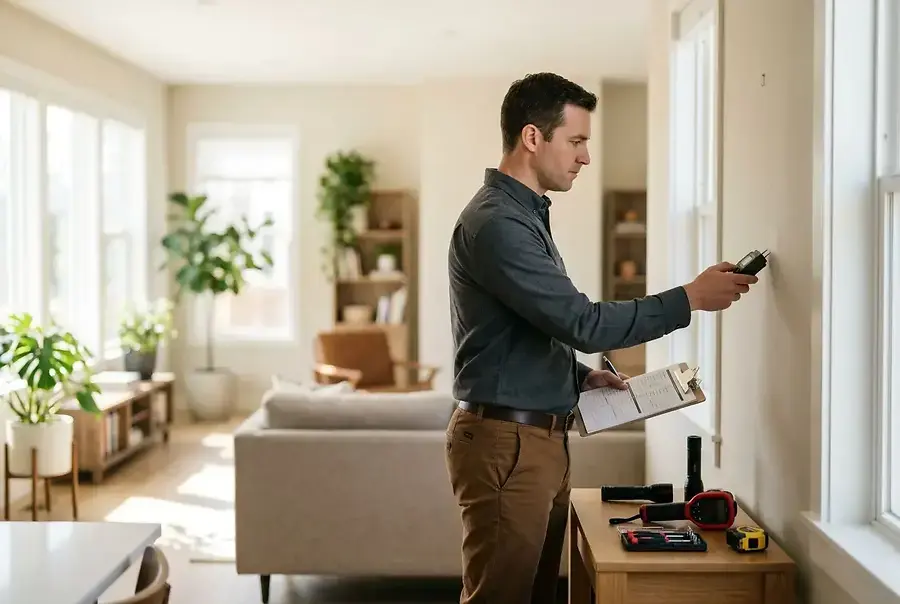
Understanding the Home Inspection Process and Why It Matters
A home inspection is one of the most critical steps in the residential buying process. This comprehensive evaluation by a licensed professional provides you with detailed information about the property's condition before you commit to the purchase. Whether you're buying in Kansas or Florida, understanding this process protects your investment and prevents costly surprises down the road.
During a typical home inspection, a qualified inspector spends 2-4 hours examining the property's structural components, systems, and overall condition. They create a detailed report documenting their findings, which becomes your roadmap for negotiation and decision-making. This inspection is your opportunity to identify potential issues before they become your financial responsibility.
The inspection contingency in your purchase agreement gives you the right to walk away or renegotiate if significant problems are discovered. This safety net is invaluable, especially in competitive real estate markets where buyers often feel pressured to waive inspections.
Critical Areas Inspectors Evaluate in Residential Properties
Structural Components and Foundation
Inspectors carefully examine the foundation, walls, and structural integrity of the home. They look for cracks, settling issues, water damage, and signs of structural movement. Foundation problems are among the most expensive repairs, making this evaluation crucial for your investment protection.
Roofing and Exterior Systems
The roof's age, condition, and remaining lifespan are thoroughly assessed. Inspectors also evaluate:
- Gutters and downspouts
- Siding and exterior walls
- Windows and doors
- Decks and patios
- Grading and drainage around the property
Plumbing Systems
Inspectors test water pressure, check for leaks, examine pipe materials, and assess the water heater's condition. They verify that the plumbing system meets current code standards and identify any potential issues that could lead to water damage or costly repairs.
Electrical Systems
Electrical safety is paramount. Inspectors examine the main panel, circuit breakers, outlets, and wiring. They verify that the electrical system has adequate capacity for modern appliances and identify any outdated or unsafe components that need upgrading.
HVAC and Climate Control
The heating, ventilation, and air conditioning systems are tested for proper operation. Inspectors assess the age of equipment, efficiency, and whether maintenance has been performed regularly. In Florida's hot climate, air conditioning efficiency is particularly important.
Interior Components and Appliances
Inspectors evaluate:
- Walls, ceilings, and floors for damage or water intrusion
- Doors and windows for proper operation
- Kitchen and bathroom fixtures
- Appliances included in the sale
- Insulation and ventilation
Red Flags and How to Interpret Inspection Reports
Understanding Report Categories
Most inspection reports categorize findings into levels of severity. Major issues require immediate attention and can significantly impact the property's value. Minor issues are typically cosmetic or involve routine maintenance. Understanding these distinctions helps you prioritize concerns and negotiate effectively.
Common Red Flags to Watch For
Certain findings warrant serious consideration:
- Water damage or mold: Indicates moisture intrusion problems that can affect health and structural integrity
- Outdated electrical systems: May require expensive upgrades for safety and code compliance
- Roof near end of life: Replacement costs can exceed $10,000 or more
- Foundation cracks: Require professional assessment to determine severity
- HVAC system failures: Replacement is a significant expense, especially in climate-dependent regions
- Pest damage: Termite or rodent damage can compromise structural integrity
Interpreting the Report Effectively
Don't panic if your inspection report contains multiple items. Many findings are routine maintenance issues rather than deal-breakers. Focus on major systems and structural components. Request clarification from your inspector about any findings you don't understand, and consider obtaining specialist quotes for significant repairs.
Pro Tip: Have your real estate agent help you prioritize findings and determine which issues are worth negotiating versus which are normal wear and tear for a property of that age.
Next Steps: Using Inspection Results to Negotiate and Close
Developing Your Negotiation Strategy
Once you receive the inspection report, you have several options. You can request repairs from the seller, ask for a credit toward closing costs, request a price reduction, or renegotiate the purchase agreement. Your leverage depends on the severity of issues and current market conditions.
In Kansas and Florida markets, where conditions vary significantly, understanding local norms is essential. Florida properties may have more moisture-related concerns, while Kansas homes might show different seasonal wear patterns.
Requesting Repairs or Credits
When requesting repairs, be specific and reasonable. Ask for repairs of major issues that affect safety or functionality. For minor items, requesting a credit toward closing costs is often more practical, allowing you to hire contractors of your choice after closing.
Making Your Final Decision
Use the inspection report as your guide for making an informed decision. If major issues exist and the seller won't address them, you can:
- Walk away from the deal using your inspection contingency
- Proceed with the purchase and budget for repairs
- Renegotiate the purchase price to account for repair costs
Remember, this is your largest investment. Don't let emotions override the practical information the inspection provides. A thorough home inspection gives you the knowledge and confidence to move forward with your purchase.
Closing with Confidence
Once you've addressed inspection concerns through negotiation or accepted the property's condition, you can move toward closing with confidence. The inspection process has given you a complete picture of your investment, allowing you to plan for future maintenance and avoid unexpected surprises.
Whether you're buying in Kansas or Florida, a professional home inspection is your best defense against costly mistakes. Take the process seriously, ask questions, and use the results to make the best decision for your family and financial future.