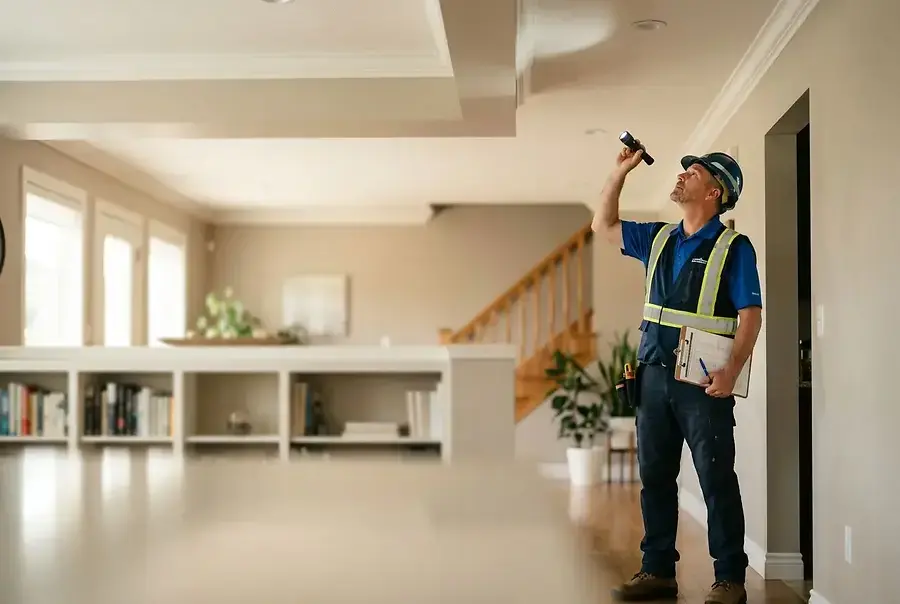
Introduction: Why Home Inspections Matter in Residential Real Estate
A home inspection is one of the most critical steps in any residential real estate transaction. Whether you're buying your first home or selling a property you've owned for decades, understanding the inspection process can save you thousands of dollars and prevent costly surprises down the road.
For buyers, a home inspection provides an objective assessment of the property's condition before you commit to the purchase. For sellers, it offers an opportunity to address issues proactively and build buyer confidence. In both cases, knowledge is power.
This guide walks you through everything you need to know about home inspections, from what inspectors evaluate to how you can use their findings to your advantage.
What Professional Home Inspectors Evaluate During Inspections
Structural Components
Professional inspectors begin by examining the home's foundation and structural integrity. They look for:
- Cracks or settling in the foundation
- Water damage or moisture intrusion
- Proper grading around the foundation
- Signs of pest damage or rot in wooden structures
A compromised foundation can be one of the most expensive issues to repair, making this assessment crucial for both parties.
Roofing and Exterior
The roof protects your entire investment. Inspectors evaluate:
- Roof age and remaining lifespan
- Missing, damaged, or curling shingles
- Proper ventilation and flashing
- Gutters, downspouts, and drainage systems
- Exterior walls, siding, and windows
A roof replacement can cost $10,000 or more, so understanding its condition is essential.
Plumbing Systems
Inspectors check the entire plumbing system, including:
- Water pressure and flow rates
- Pipe material and condition (galvanized, copper, PVC)
- Presence of leaks or water stains
- Proper drainage and venting
- Water heater age and functionality
Plumbing issues can lead to water damage and mold, making this inspection particularly important.
Electrical Systems
A thorough electrical inspection covers:
- Panel capacity and breaker condition
- Proper grounding and bonding
- GFCI outlets in wet areas
- Outdated wiring (knob-and-tube, aluminum)
- Overall safety compliance
Electrical problems pose serious safety risks and should never be ignored.
HVAC Systems
Heating, ventilation, and air conditioning systems are evaluated for:
- Age and remaining lifespan
- Proper operation and efficiency
- Ductwork condition and sealing
- Thermostat functionality
- Filter accessibility and maintenance
Interior Components
Inspectors also examine:
- Walls, ceilings, and floors for damage
- Doors and windows operation
- Insulation levels in attic and walls
- Signs of mold, mildew, or moisture
- Appliances included in the sale
How to Interpret Your Inspection Report and Negotiate Next Steps
Understanding the Report Format
Most inspection reports categorize findings into three levels:
- Safety Issues: Problems that pose immediate danger and require urgent attention
- Major Repairs: Significant defects that will need repair within a reasonable timeframe
- Minor Issues: Small problems that don't require immediate action but should be monitored
Understanding these categories helps you prioritize concerns and determine which issues warrant negotiation.
For Buyers: Negotiation Strategies
Once you receive the inspection report, you have several options:
- Request repairs: Ask the seller to fix critical issues before closing
- Negotiate a price reduction: Request a credit to cover repair costs yourself
- Request a second opinion: Have a specialist evaluate major findings
- Walk away: If issues are too extensive, you may choose to terminate the purchase
The key is to focus on material defects that affect safety, functionality, or value. Don't nitpick minor cosmetic issues.
For Sellers: Proactive Measures
If you're selling, consider getting a pre-listing inspection. This allows you to:
- Address issues before listing
- Set realistic pricing
- Build buyer confidence and reduce negotiation friction
- Avoid last-minute surprises that could derail a sale
A pre-listing inspection often leads to smoother transactions and better final sale prices, making it a worthwhile investment for sellers.
Working with Specialists
For significant findings, don't hesitate to hire specialists:
- Structural engineers for foundation concerns
- Electricians for wiring issues
- Plumbers for pipe problems
- Mold inspectors for moisture concerns
A specialist's report provides detailed information and repair estimates, strengthening your negotiating position.
Conclusion: Using Inspection Findings to Make Informed Decisions
Home inspections are invaluable tools that protect your interests in real estate transactions. By understanding what inspectors evaluate and how to interpret their findings, you can make confident decisions about your property investment.
Remember: no home is perfect. The goal isn't to find a flawless property but to understand the property's true condition and factor that into your decision-making process.
Whether you're buying or selling, approach the inspection process with transparency and professionalism. Address legitimate concerns, negotiate fairly, and use inspection data to reach agreements that work for everyone involved. When both parties understand the property's condition, real estate transactions become smoother, more predictable, and ultimately more successful.