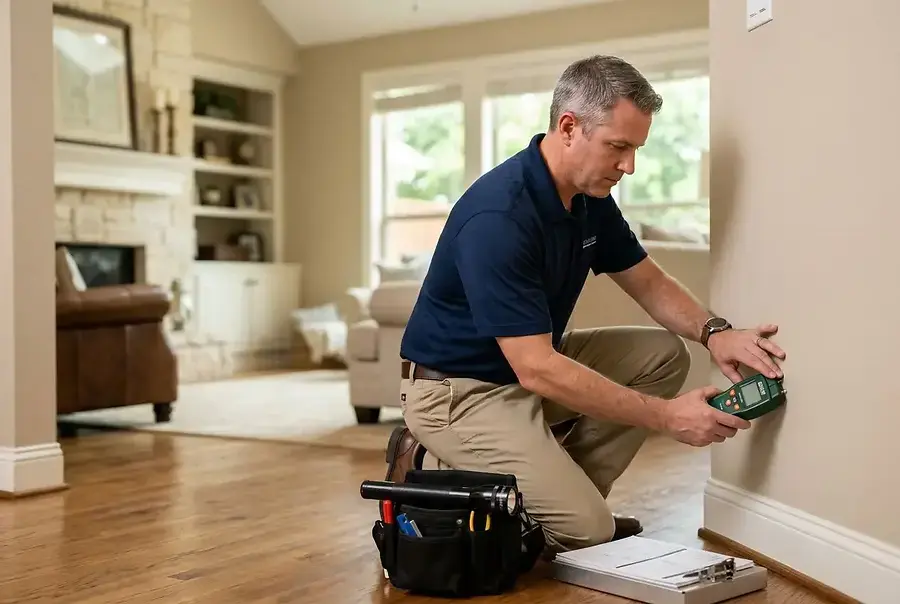
Why Home Inspections Matter in Richardson's Competitive Market
Buying a home in Richardson is a significant financial commitment, and in today's competitive real estate market, it's more important than ever to protect your investment. A professional home inspection is one of the most critical steps in the home-buying process, serving as your personal advocate and providing an objective assessment of the property's condition.
Many buyers in Richardson skip or rush through inspections to make their offers more attractive in a competitive market. However, this approach can lead to costly surprises after closing. A thorough home inspection typically costs between $300 and $500 but can save you thousands in unexpected repairs and maintenance issues.
Home inspections provide several key benefits:
- Identify hidden defects and structural issues before purchase
- Negotiate repairs or credits with the seller based on findings
- Establish a baseline for future maintenance planning
- Uncover safety hazards that could affect your family
- Provide peace of mind and confidence in your purchase decision
Professional inspectors in Richardson are trained to evaluate every major system and component of a home, from the foundation to the roof. Understanding what they examine helps you ask informed questions and make better decisions about your property investment.
Structural and Foundation Elements: Critical Areas Inspectors Examine
Foundation and Basement Conditions
The foundation is the backbone of any home, and inspectors pay close attention to its integrity. In Richardson, where soil conditions can vary, foundation issues are a common concern. Inspectors look for:
- Cracks in the foundation walls or floor
- Signs of water intrusion or moisture damage
- Uneven settling or sloping floors
- Efflorescence (white mineral deposits indicating moisture)
- Proper drainage around the foundation perimeter
Minor hairline cracks are often normal, but larger cracks or patterns of cracking may indicate serious structural problems requiring professional evaluation.
Roof and Exterior Components
The roof is your home's first line of defense against the elements. Inspectors examine:
- Roof age and remaining lifespan
- Missing, damaged, or curling shingles
- Flashing around chimneys, vents, and skylights
- Gutters and downspouts for proper drainage
- Siding condition and potential water damage
- Windows and doors for proper sealing and operation
Richardson's weather patterns, including occasional hail and heavy rain, can accelerate roof deterioration. A roof nearing the end of its lifespan may require replacement within a few years, which is an important factor in your purchasing decision.
Interior Structural Elements
Inspectors also evaluate the home's interior structural components, including:
- Wall and ceiling integrity
- Stair safety and handrail stability
- Attic ventilation and insulation
- Signs of pest damage or wood rot
- Proper support beams and load-bearing walls
Systems and Safety Features: HVAC, Electrical, Plumbing, and More
Heating, Ventilation, and Air Conditioning (HVAC)
In Richardson's hot climate, a functioning HVAC system is essential. Inspectors evaluate:
- Age and condition of the air conditioning unit
- Furnace operation and safety
- Ductwork for leaks or damage
- Thermostat functionality
- Proper ventilation and air flow throughout the home
HVAC systems typically last 15-20 years. If the system is older, budget for replacement costs in your decision-making process.
Electrical System Safety
A safe electrical system is paramount for your family's protection. Inspectors examine:
- Electrical panel condition and capacity
- Presence of outdated knob-and-tube wiring
- Proper grounding and bonding
- GFCI outlets in wet areas (bathrooms, kitchens)
- Adequate number of outlets and circuits
- Signs of overheating or fire hazards
Outdated electrical systems may not meet current safety codes and could require upgrades, which is an important consideration for your budget.
Plumbing System Evaluation
Water damage is one of the most expensive issues homeowners face. Inspectors check:
- Water pressure and flow rate
- Pipe material and condition (galvanized, copper, PVC)
- Signs of leaks or water damage
- Drain functionality and proper slope
- Water heater age and condition
- Sump pump operation (if applicable)
Galvanized pipes, common in older Richardson homes, may be nearing the end of their lifespan and could require replacement.
Safety Systems and Appliances
Inspectors also verify the presence and functionality of critical safety features:
- Smoke detectors on each level
- Carbon monoxide detectors
- Fire extinguishers in appropriate locations
- Stair railings and handrails
- Appliance operation and safety features
Using Inspection Reports to Make Confident Purchasing Decisions
Once the inspection is complete, you'll receive a detailed report documenting all findings. Understanding how to interpret this report is crucial for making an informed decision.
Inspection reports typically categorize issues as:
- Critical Issues: Safety hazards or major structural problems requiring immediate attention
- Major Issues: Significant defects affecting home value or functionality
- Minor Issues: Small repairs or maintenance items
- Recommendations: Suggested improvements or further evaluation by specialists
Use the inspection report as a negotiation tool. If significant issues are discovered, you have several options: request repairs from the seller, ask for a credit toward closing costs, renegotiate the purchase price, or walk away from the deal if issues are too severe.
Remember: A home inspection is not a pass-or-fail evaluation. Every home has some issues. The goal is to understand what you're buying and make an informed decision about whether the property is right for you and your budget.
Consider hiring a specialist inspector for specific concerns identified in the general inspection. For example, if foundation issues are suspected, a structural engineer's evaluation may be warranted. These additional inspections provide peace of mind and detailed information for major systems or components.
Finally, keep your inspection report for future reference. It serves as a valuable baseline for maintenance planning and can be helpful when selling the home later. Understanding your home's condition helps you prioritize repairs and maintenance, ultimately protecting your investment for years to come.
