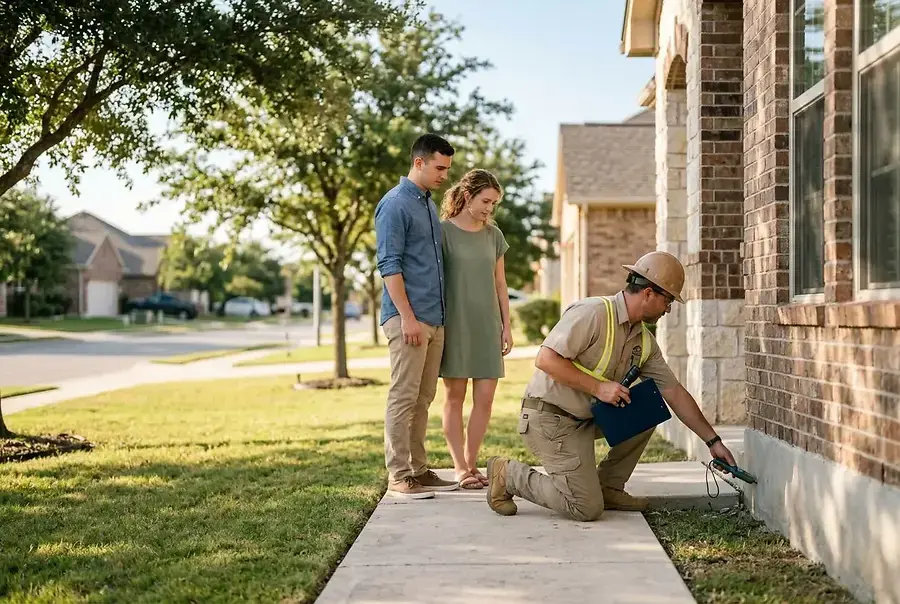
Why Home Inspections Matter in the Texas Market
Purchasing a home is one of the most significant investments you'll make in your lifetime. In the competitive Texas real estate market, from the bustling neighborhoods of Dallas to the sprawling communities of Houston, a professional home inspection serves as your critical safeguard. A thorough inspection can reveal hidden defects, structural issues, and maintenance concerns that could cost thousands of dollars to repair after closing.
Many Texas buyers skip or rush through inspections to gain a competitive edge in fast-moving markets. However, this approach puts your investment at serious risk. A comprehensive home inspection typically costs between $300 and $500 but can save you from purchasing a property with expensive problems. In Texas's diverse climate—from humid coastal areas to dry inland regions—homes face unique challenges that require expert evaluation.
The inspection period is your opportunity to negotiate repairs, request credits, or even walk away from a problematic property. Understanding what inspectors look for and how to interpret their findings empowers you to make informed decisions that protect your financial future.
What Professional Inspectors Look for in Texas Homes
Structural Components and Foundation
Texas homes are built on various soil types, and foundation issues are among the most common and costly problems. Professional inspectors examine:
- Foundation cracks and settlement patterns
- Concrete deterioration and water damage
- Pier and beam systems (common in older Texas homes)
- Signs of foundation movement or shifting
Foundation problems can range from minor cosmetic cracks to serious structural issues requiring expensive repairs. Inspectors use specialized tools and expertise to distinguish between normal settling and problematic damage.
Roofing and Weather Protection
Given Texas's intense sun, occasional hail storms, and heavy rainfall, roof condition is critical. Inspectors evaluate:
- Shingle condition, age, and remaining lifespan
- Flashing integrity around chimneys and vents
- Gutters and drainage systems
- Signs of leaks or water intrusion in attic spaces
A roof replacement can cost $8,000 to $15,000 or more, making this assessment essential for budgeting purposes.
HVAC Systems
Texas's extreme heat makes air conditioning systems vital. Inspectors check:
- Age and operational efficiency of AC units
- Heating system functionality
- Ductwork condition and insulation
- Thermostat accuracy and controls
Plumbing and Water Systems
Water-related issues can cause extensive damage. Professional inspectors examine:
- Water pressure and flow rates
- Pipe materials and corrosion signs
- Water heater age and condition
- Drainage systems and septic functionality
- Evidence of leaks or water damage
Electrical Systems
Safety is paramount. Inspectors verify:
- Panel capacity and breaker functionality
- Proper grounding and bonding
- Outlet and switch safety
- Compliance with current electrical codes
Interior and Exterior Elements
Comprehensive inspections also cover walls, ceilings, floors, windows, doors, insulation, and exterior siding. Inspectors look for signs of pest damage, moisture intrusion, and general wear and tear.
Common Issues Found in Texas Properties and How to Address Them
Foundation Settling and Cracks
The Issue: Texas's clay-heavy soils expand and contract with moisture changes, causing foundation movement.
How to Address It: Minor cracks (less than 1/8 inch) are often normal. Larger cracks or stair-step patterns may require professional foundation repair, which can cost $3,000 to $25,000 depending on severity. Request a foundation specialist's evaluation during your inspection period.
Roof Damage and Leaks
The Issue: Hail, wind, and UV exposure deteriorate roofing materials faster in Texas.
How to Address It: If the roof is nearing the end of its lifespan (typically 15-25 years), negotiate a credit toward replacement or request repairs before closing. Document all damage with photographs for insurance claims.
AC System Failures
The Issue: Older air conditioning systems may struggle with Texas heat or fail entirely.
How to Address It: Request the seller repair or replace failing systems before closing. If the unit is over 10 years old, budget for replacement within the next few years.
Water Intrusion and Mold
The Issue: Texas humidity and occasional flooding create ideal conditions for mold growth and water damage.
How to Address It: Have a mold specialist conduct additional testing if water damage is suspected. Ensure proper drainage around the foundation and verify that gutters and downspouts direct water away from the home.
Outdated Electrical Systems
The Issue: Older homes may have aluminum wiring or insufficient panel capacity for modern appliances.
How to Address It: Request upgrades to meet current code requirements. This investment improves safety and may be required for insurance coverage.
Plumbing Issues
The Issue: Corroded pipes, low water pressure, or outdated materials are common in older Texas homes.
How to Address It: Request repairs or a credit for repiping if necessary. Have the inspector test water quality and pressure to identify problems early.
Making Informed Decisions After Your Inspection
Once you receive the inspection report, take time to review it thoroughly. Don't panic over minor issues—every home has some wear and tear. Instead, focus on significant structural problems, safety concerns, and major system failures.
Use the inspection findings to negotiate with the seller. You have three main options: request repairs before closing, ask for a credit to handle repairs yourself, or walk away if issues are too severe. In Texas's competitive market, sellers may be unwilling to make major repairs, but it's always worth asking.
Remember: A home inspection is an investment in peace of mind and financial protection. The small cost of inspection can prevent thousands in unexpected repairs and help you buy with confidence.
By understanding what inspectors evaluate and how to address common Texas property issues, you're equipped to make informed decisions that protect your investment and ensure your new home is safe, sound, and ready for your family.